16:26
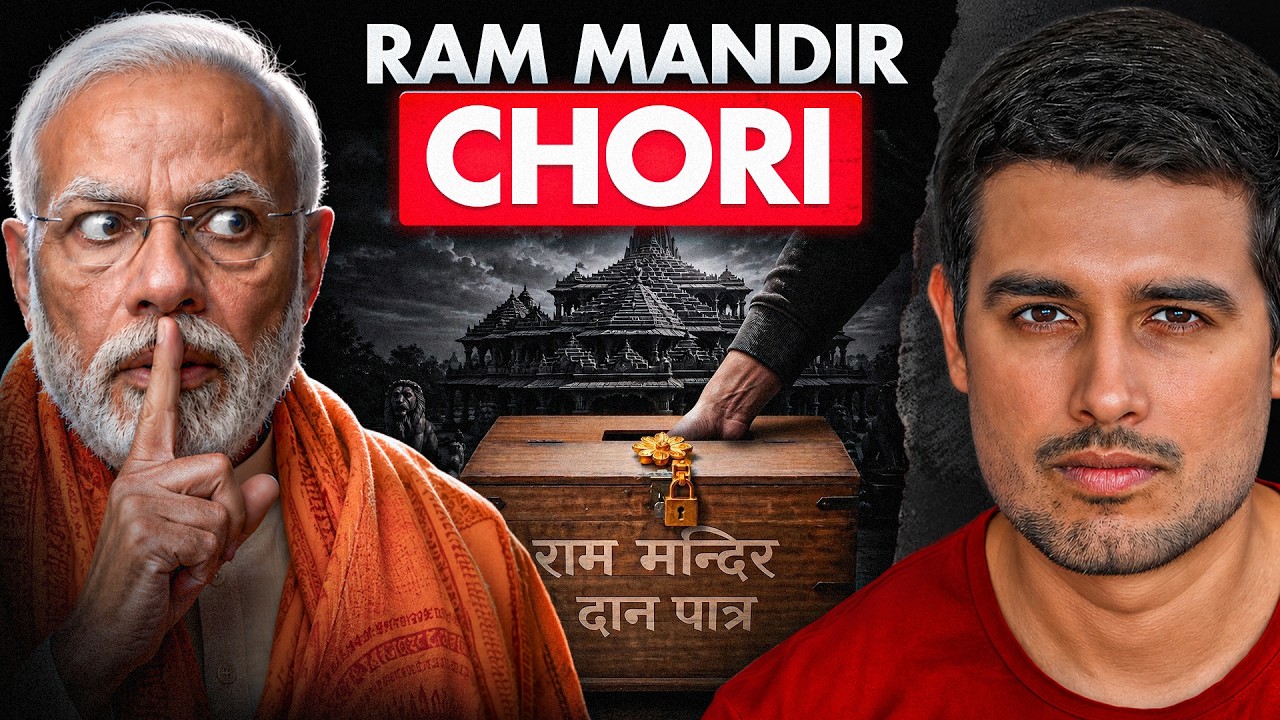
Ram Mandir Scam is WORSE Than You Think | Dhruv Rathee
Dhruv Rathee
Overview
This video exposes alleged financial irregularities and corruption surrounding the construction and management of the Ram Mandir in Ayodhya. It details accusations of donation theft, inflated land deals, and misappropriation of construction materials, suggesting a systemic failure to safeguard public faith and funds. The summary outlines the alleged mechanisms of fraud, the individuals involved, and the government's purported inaction, ultimately questioning the integrity of the temple's financial operations and urging a re-evaluation of charitable donations.
How was this?
Save this permanently with flashcards, quizzes, and AI chat
Chapters
- The Shri Ram Janmabhoomi Tirth Kshetra trust, formed to manage Ram Mandir construction, has 15 members, many with direct ties to the ruling government and RSS.
- Champat Rai, a powerful RSS figure and Vice President of Vishwa Hindu Parishad, holds significant influence as the trust's General Secretary.
- The trust's structure and leadership suggest government involvement rather than independent operation.
Understanding the trust's formation and leadership is crucial to grasping how financial decisions were made and who was accountable for the alleged mismanagement.
Narendra Modi's Principal Secretary, Nipendra Mishra, heads the temple construction committee, illustrating the government's direct connection.
- Donations, including cash, coins, and jewelry, were collected through numerous boxes and counted in a dedicated facility.
- A private agency was hired for counting, allegedly collaborating with trust officials and audit teams to inflate bundles of currency.
- Despite internal warnings from the State Bank of India and an account in-charge, the alleged theft continued, with perpetrators amassing significant wealth.
- Jewelry donations, like silver bricks and necklaces, reportedly disappeared without proper record-keeping or acknowledgment.
This chapter details the specific methods used to allegedly steal donations, highlighting vulnerabilities in the financial oversight process.
Counting staff, earning modest wages, allegedly became billionaires by adding extra notes to bundles, with one individual amassing an estimated ₹50 crore.
- Allegations suggest that land was purchased by individuals at low prices and then immediately resold to the trust at significantly higher, inflated values.
- Reports indicate that a substantial portion of construction material costs may have been siphoned off as commissions.
- The nephew of a key trust figure allegedly controlled payments for construction, further concentrating financial power and potential for corruption.
These alleged scams demonstrate that corruption may have extended beyond donations to the very foundation and construction of the temple itself.
In one instance, land worth ₹2 crore was allegedly bought and then sold to the trust for ₹1.5 crore within minutes, indicating a fraudulent transaction.
- Despite internal reports and public accusations, official investigations appear to have been slow or ineffective.
- CCTV footage related to donation counting was allegedly deleted, and whistleblowers were reportedly removed from their positions.
- Complaints sent to the Prime Minister's Office were allegedly forwarded to local administration, with no significant action taken.
- The initial FIRs reportedly only named lower-level staff, omitting key figures like Champat Rai.
This section addresses the perceived lack of accountability and governmental response, raising questions about complicity or deliberate oversight.
The Intelligence Bureau allegedly sent at least 12 reports about these issues to the Prime Minister, who reportedly remained silent.
- The video suggests that public faith has been exploited, with donations being looted by fraudsters.
- It advises against donating money directly to temples, recommending instead to support the poor, NGOs, or environmental causes.
- The core message is to discern true devotion from Ravan-like greed, even among those who loudly proclaim faith.
This chapter offers a concluding perspective on the implications of the alleged scams for charitable giving and the nature of true devotion.
The speaker suggests that money donated in the name of God is being looted by fraudsters, and advises giving to the poor or NGOs instead.
Key takeaways
- The Ram Mandir trust's leadership has significant ties to the government and RSS, raising questions about its independence.
- Allegations of donation theft involve sophisticated methods like inflating currency bundles and the disappearance of jewelry.
- Fraudulent land deals and inflated construction costs suggest corruption may have permeated the entire project.
- Whistleblowers faced repercussions, and evidence like CCTV footage was allegedly destroyed, pointing towards a potential cover-up.
- Government bodies, including the PMO, allegedly received reports but failed to take decisive action.
- The video questions the integrity of charitable donations to religious institutions, urging a re-evaluation of where funds are directed.
- True devotion is contrasted with greed, suggesting that loud displays of faith can mask corrupt intentions.
Key terms
Shri Ram Janmabhoomi Tirth KshetraChampat RaiChanda ChoriPilgrim Facilitation CentreState Bank of IndiaVishwa Hindu ParishadRSSSIT (Special Investigation Team)FIR (First Information Report)PMO (Prime Minister's Office)
Test your understanding
- What were the primary methods alleged for stealing donations at the Ram Mandir?
- How did the structure and leadership of the Ram Mandir trust allegedly facilitate corruption?
- What evidence suggests that government bodies were aware of the alleged scams, and why might they have failed to act?
- What alternative forms of charitable giving does the video suggest in light of the alleged Ram Mandir scams?
- How does the video differentiate between genuine faith and the alleged actions of those involved in the scams?