AI-Generated Video Summary by NoteTube
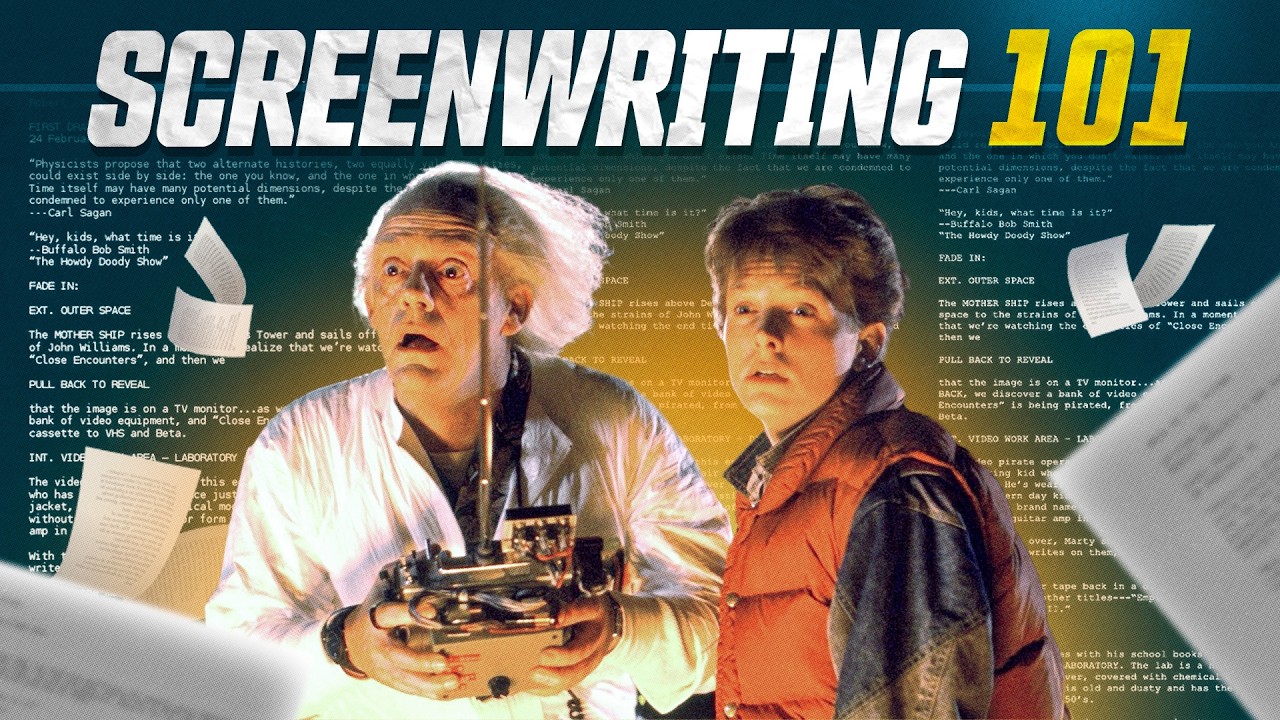
How To Write A Screenplay (For Beginners)
Film Riot
Overview
This video provides a beginner-friendly guide to screenwriting, breaking down the process into manageable steps. It emphasizes that writing is often the most challenging part of filmmaking and offers practical advice based on the creator's extensive experience. The guide covers essential stages from conceptualizing an idea and crafting a compelling logline to understanding story structure and mastering script formatting. It also delves into the crucial aspects of the writing process itself, including 'show, don't tell,' pacing, and maintaining authenticity. Finally, the video highlights the importance of feedback and the iterative nature of rewriting, encouraging viewers to embrace the process and find what works best for them. The goal is to equip aspiring screenwriters with foundational knowledge to begin their journey.
This summary expires in 30 days. Save it permanently with flashcards, quizzes & AI chat.
Chapters
- •Writing is the hardest part of filmmaking.
- •The video focuses on the basics of screenwriting for beginners.
- •A concept is the central, sticky idea of a story.
- •Concepts can arise spontaneously or be intentionally developed from a starting point.
- •Allowing ideas time to 'cook' is beneficial.
- •A logline is a short summary designed to hook the reader.
- •It should hint at the genre, protagonist, goal, and conflict.
- •Writing the logline early in the process can help refine the core idea.
- •Using loglines as a creative prompt can guide the story's direction.
- •The 'idea vomit' phase involves exploring many 'what if' scenarios.
- •Structure begins to emerge as key moments and character arcs are identified.
- •Establishing major plot points (opening, midpoint, ending) provides a target.
- •Different structural models exist (e.g., three-act, save the cat), choose what works for you.
- •Screenwriting software (Highland, Final Draft, Fade In) handles margins.
- •Key formatting elements include scene headings, action lines, character cues, parentheticals, dialogue, and transitions.
- •Action lines describe what happens, in present tense, and convey tone and pace.
- •Capitalize new characters, important props, or for emphasis.
- •Keep action lines concise to maintain reader engagement.
- •A scriptment is a hybrid document between a script and a treatment.
- •It allows for flexibility, drafting full scenes or using sparse notes.
- •Key creative writing principles: 'Show, don't tell,' pacing, and telling the truth.
- •'Arrive late and leave early' is a useful technique for pacing scenes.
- •Telling the truth involves emotional honesty and following what the story 'wants'.
- •Seek feedback from trusted individuals who understand your voice and taste.
- •Use questionnaires to gather specific, constructive feedback.
- •Rewriting is essential for improving the script.
- •Embrace rewriting as a process that makes the film better, not worse.
- •Focus on character consistency, theme, and subtext during rewrites.
Key Takeaways
- 1Start with a clear, compelling concept and refine it with a logline.
- 2Develop a basic story structure with key plot points before deep diving into writing.
- 3Master standard screenplay formatting using available software.
- 4Apply 'show, don't tell,' effective pacing, and emotional honesty in your writing.
- 5Utilize a scriptment to bridge the gap between idea and final script.
- 6Choose feedback partners carefully and be open to constructive criticism.
- 7Rewriting is a crucial and iterative process that significantly improves the final product.
- 8Find a personal writing process that combines adopted techniques with self-discovery.