28:23
The Ultimate SUPER SENTAI Series Tier List
Acrimony Toku
Overview
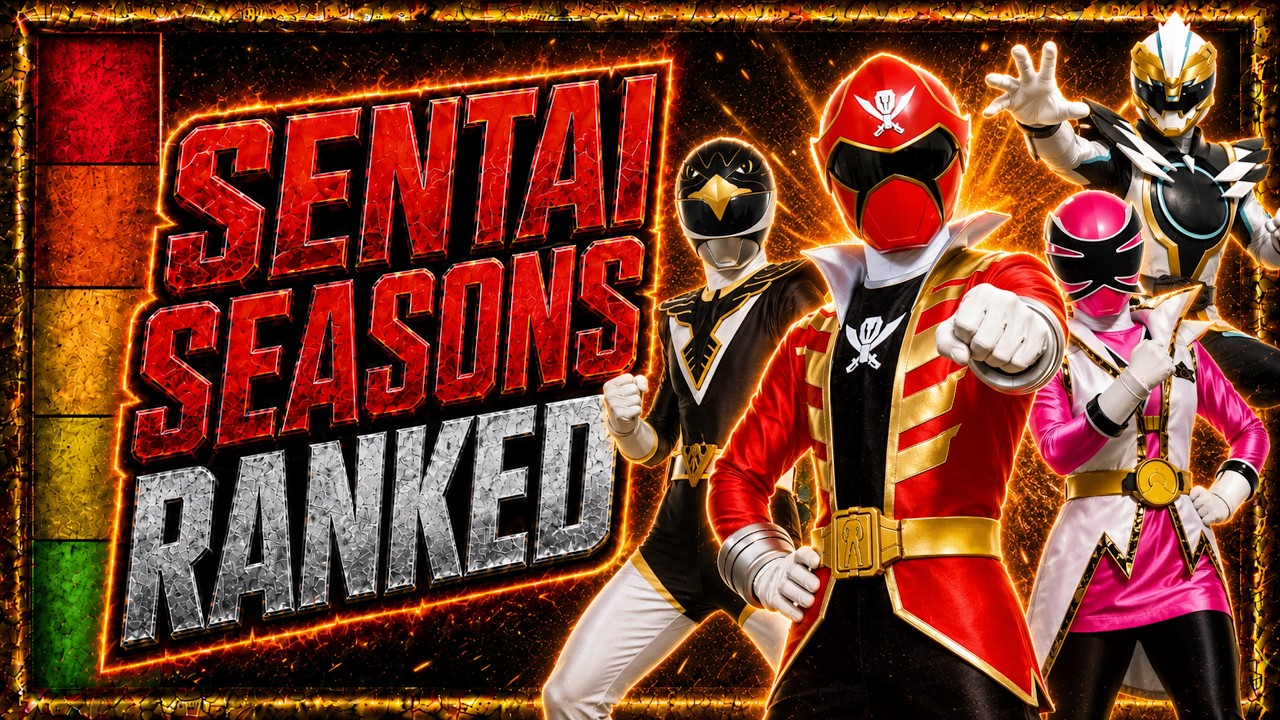
This video presents a comprehensive tier list ranking every Super Sentai season, categorizing them from 'S' (perfection) to 'D' (below average). The creator evaluates each season based on factors like suit design, character development, storytelling, mecha, and overall entertainment value. The ranking highlights standout seasons like Jetman, Dairanger, Dekaranger, and Shinkenger for their exceptional qualities, while also discussing the strengths and weaknesses of numerous other entries, offering a detailed perspective on the franchise's evolution and diverse offerings.
How was this?
Save this permanently with flashcards, quizzes, and AI chat
Chapters
- The series began with 'GoRanger,' establishing core Super Sentai tropes such as color-coded costumes and individual weapons.
- 'J.A.K.Q.' introduced a unique playing card theme but struggled with narrative momentum until later additions.
- 'Battle Fever J' featured impressive mecha designs and a novel concept of tying Rangers to specific countries.
- 'Denjiman' is praised for its likable cast and enjoyable viewing experience, despite being often overlooked.
- Early seasons like 'Sun Vulcan' and 'Goggle V' are noted for creative decisions that didn't always resonate, such as the absence of female rangers or unmemorable elements.
Understanding these foundational seasons is crucial for appreciating the evolution of Super Sentai's core concepts and how early creative choices shaped the franchise's future direction.
GoRanger's introduction of color-coded costumes and individual weapons became a recurring and defining characteristic of the Super Sentai series.
- 'Dynaman' is highlighted for its unique blend of military operatives, baseball-themed outfits, and extensive pyrotechnics, marking a creative step up.
- 'Bioman' offered a high-tech, segmented suit design reminiscent of Metal Heroes, coupled with a strong cast and supporting characters.
- 'Changeman' explored a gritty tone and a theme of mythical creatures, featuring a memorable villain.
- Seasons like 'Flashman' are described as well-rounded with no major flaws but lacking standout elements.
- 'Maskman' and 'Liveman' are recognized for their emotional depth, gritty storytelling, and strong narrative hooks, with 'Maskman' introducing an early form of a sixth ranger.
This era showcases Super Sentai experimenting with diverse themes and tones, leading to more complex narratives and visually distinct seasons that laid the groundwork for future storytelling.
Maskman's supernatural theme and strong emotional hooks were considered peak storytelling for the era, making it stand out.
- 'Jetman' is lauded as a peak season with exceptional suit designs, a dramatic story involving betrayal and redemption, and strong villains.
- 'Zyuranger' is noted for its grand scale, excellent suit and mecha designs, and the impactful character arc of Burai (Dragon Ranger).
- 'Dairanger' is celebrated for its stunning visual design, unique Gorma tribe villains, and excellent fight choreography.
- Ninja-themed seasons like 'Kakuranger' offered a blend of action and comedy with clean suit designs and strong female leadership.
- Seasons like 'Ohranger' faced challenges due to real-world events impacting their intended tone, while 'Carranger' succeeded as an unapologetically comedic series.
The 1990s saw Super Sentai mature with more complex plots and character-driven stories, often blending established tropes with new thematic elements and visual styles.
Dairanger's villains, the Gorma tribe, were visually striking and unique, contributing significantly to the season's high ranking.
- 'Mega Ranger' is remembered for its high-tech aesthetic, likable cast, and engaging use of digital props and graphics.
- 'Gingaman' offered an enjoyable tone and story despite some divisive suit designs.
- 'Time Ranger' featured a unique premise of future rangers time-traveling and a compelling narrative filled with drama and betrayal.
- 'Abaranger' is praised for its dinosaur theme, explosive action, and the standout character of AbareKiller.
- 'Dekaranger' is highlighted as a favorite for its blend of crime-solving and action, featuring a likable cast and stylish designs.
This period demonstrates Super Sentai's continued ability to innovate with diverse premises and character-focused narratives, often balancing action with unique thematic elements.
Dekaranger's integration of detective work into the monster-of-the-week format added a unique layer to the series' formula.
- 'Shinkenger' is lauded for its near-perfect implementation of a samurai theme, strong character development, and well-defined motivations.
- 'Gokaiger' is celebrated as a highly entertaining anniversary season, allowing rangers to transform into previous Sentai heroes.
- 'Go-Busters' offered a sleek, spy-themed approach with a balance of thriller and action, featuring utilitarian suit designs.
- Unofficial seasons like 'Akibaranger' provided hilarious meta-commentary and parody, appealing directly to long-time fans.
- Later seasons like 'Kyuranger' and 'Donbrothers' experimented with massive casts and unique folklore-inspired themes, respectively, pushing creative boundaries.
The modern era showcases Super Sentai embracing meta-narratives, diverse cultural themes, and evolving visual styles, including increased CGI use, while maintaining its core appeal.
Gokaiger's pirate theme and the ability for the team to transform into past Sentai heroes made it a highly celebrated anniversary season.
- Seasons like 'Goseiger' often receive criticism but are defended for not being egregiously bad, despite lacking standout elements.
- 'Tokkyuger' is noted for its creative imagination theme and train concept, but criticized for its 'atrocious' suit designs.
- 'Ninninger' is identified as one of the most disliked seasons due to weak characters and an unengaging story, despite decent suit designs.
- 'Zyuohger' features a divisive aesthetic and a premise incorporating a Minecraft-like style, but lacks a particularly interesting story or likable cast.
- Some seasons like 'Go-Onger' and 'Kiramager' are appreciated for their unique themes and likable characters, even if their aesthetics or overall impact are debated.
This chapter addresses seasons that may not have reached the highest tiers, offering insights into common criticisms and highlighting the subjective nature of fan reception.
Ninninger is cited as an example of a season with significant community criticism, primarily due to its story and characters, despite some positive visual elements.
Key takeaways
- Super Sentai seasons vary greatly in quality, with factors like suit design, character depth, and narrative complexity significantly impacting their overall reception.
- The franchise has consistently evolved, experimenting with diverse themes ranging from mythical creatures and martial arts to spies and folklore.
- Anniversary seasons, like Gokaiger, often serve as celebrations of the franchise's history, incorporating elements from past series.
- Strong character development and compelling emotional arcs, as seen in Maskman and Liveman, are critical for a season's lasting impact.
- Visual design, including mecha and suit aesthetics, plays a crucial role in a season's appeal, though sometimes divisive within the fanbase.
- Even seasons with perceived flaws can offer unique entertainment value, particularly through comedic elements or innovative premises.
- The reception of a season can be influenced by its placement relative to other highly acclaimed series.
- Fan appreciation for Super Sentai often stems from a combination of nostalgia, creative execution, and the emotional connection forged with the characters and their stories.
Key terms
Super SentaiTier ListTokuTropesMechaSixth RangerTokusatsuGimmickKamen RiderMetal Hero
Test your understanding
- What are the core elements that define a Super Sentai season, as established by early entries like GoRanger?
- How have the themes and storytelling approaches in Super Sentai evolved from the 1980s to the modern era?
- What makes certain Super Sentai seasons, such as Jetman or Dekaranger, stand out as 'S-tier' according to the creator's criteria?
- Why is it important to consider the context and creative intentions behind seasons like Ohranger or Akibaranger when evaluating their quality?
- How do factors like suit design, character arcs, and narrative complexity contribute to a Super Sentai season's overall ranking and enduring appeal?