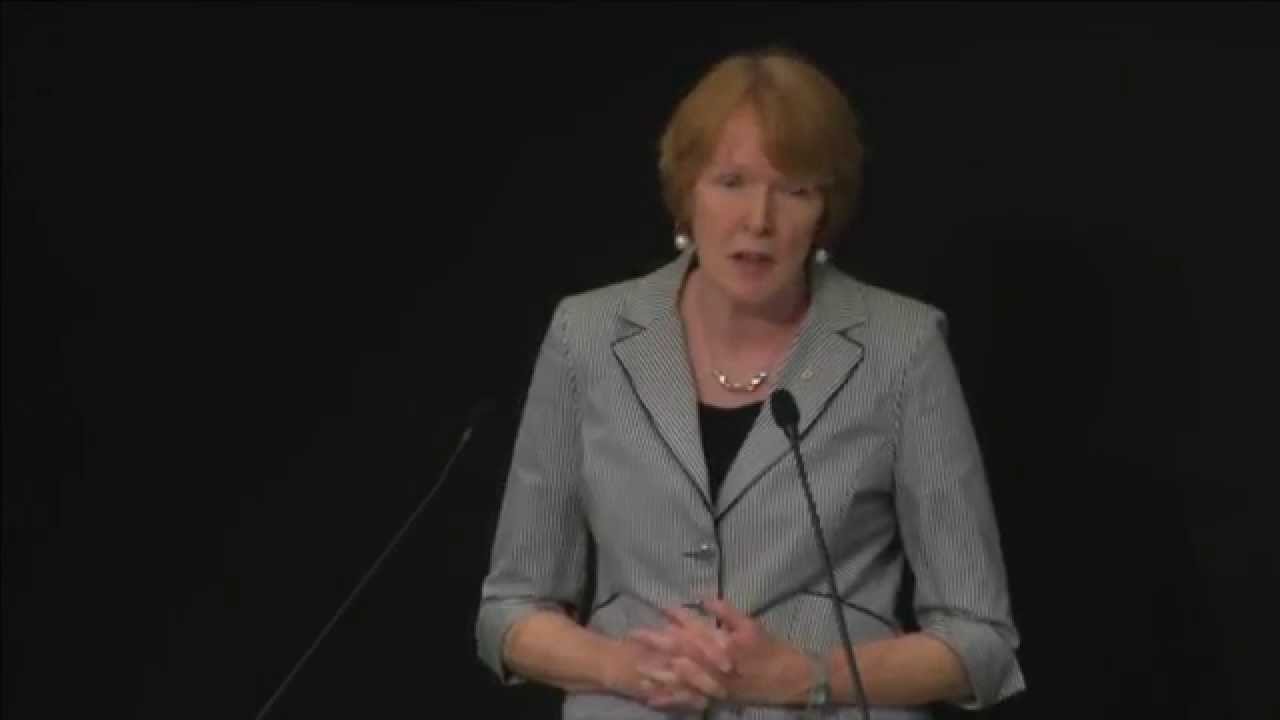
Explaining the Outbreak of the First World War - Closing Conference Genève Histoire et Cité 2015
Geneva Graduate Institute
Overview
This video explores the complex and multifaceted causes of World War I, emphasizing that no single factor or nation was solely responsible. It delves into the historical debates surrounding the war's origins, highlighting the interplay of individual decisions, societal values, national rivalries, economic competition, and military planning. The lecture also examines the prevailing optimism and belief in progress in the pre-war era, which paradoxically contributed to a sense of inevitability and a downplaying of war's potential devastation. Finally, it discusses the psychological and ideological factors, such as nationalism and social Darwinism, that made war seem more acceptable and even desirable to some, ultimately leading to a catastrophic conflict that reshaped the world.
Save this permanently with flashcards, quizzes, and AI chat
Chapters
- Explaining the outbreak of WWI is exceptionally difficult due to the vast number of historical works and ongoing debates.
- Governments and historians have long debated responsibility, with various nations and individuals being blamed.
- The sheer complexity of potential causes and the war's immense impact drive the continuous search for an explanation.
- Causes range from individual decisions to broader societal values, tensions, rivalries, and military plans.
- The outbreak in 1914 can be seen as a 'perfect storm' where multiple factors converged to make a Balkan crisis uncontrollable.
- Ivan Bloch's six-volume work predicted the devastating nature of modern industrial warfare, warning of prolonged stalemates.
- Bloch argued that industrial success would enable prolonged warfare with large, well-supplied armies, unlike previous conflicts.
- He also noted the even balance of emerging European power blocs and the increasing strength of defensive military technology.
- Pre-war alliances were not rigid but loose and capable of change, contrary to common perception.
- The possibility existed for Britain and Germany to mend fences due to shared values, family ties, and economic interdependence.
- Italy's position in the Triple Alliance demonstrates the flexibility, as it found a reason not to join its allies when war broke out.
- Many Europeans believed peace was likely to continue due to increasing economic interdependence and the perceived irrationality of modern war.
- The 19th century fostered a widespread belief in European progress, encompassing economic, social, and political advancements.
- Increased literacy, self-government, and interconnectedness led many to believe war was becoming obsolete and irrational.
- Norman Angell's popular book 'The Great Illusion' argued that war could no longer be profitable in an interconnected global economy.
- Active peace movements, international organizations, and arbitration were seen as mechanisms to resolve disputes without conflict.
- Despite optimism, underlying anxieties about rapid societal change, technological advancement, and perceived degeneration existed.
- Nationalism intensified, leading people to define themselves primarily by their nation, often creating a sense of an 'eternal' national identity and a natural enemy.
- Historians and intellectuals played a role in constructing national myths and fostering divisions between nations.
- Social Darwinism influenced thinking, suggesting that nations, like species, must struggle to survive, making war seem natural and even a moral imperative.
- Some segments of society, particularly elites, viewed war as potentially beneficial, a 'healthy bloodletting' to counter societal anxieties.
- Military plans were overwhelmingly offensive, promising quick victories rather than acknowledging the possibility of prolonged, devastating wars.
- The assumption was that any war would be short, similar to 19th-century conflicts, and that peace would quickly follow.
- Warnings about the destructive potential of modern industrial warfare, like those from Bloch, were largely discounted.
- A series of previous crises (1908, 1911, 1912, 1913) had raised the specter of general war but were ultimately resolved peacefully.
- This history bred a dangerous complacency, leading many to believe the 1914 crisis would also be defused.
- However, previous crises also led key players, like Russia and Austria-Hungary, to adopt a 'no more backing down' stance.
- Austria-Hungary viewed Serbia as an existential threat, while Russia felt honor-bound to support Serbia, creating a rigid dynamic.
- The decisions of a few individuals in the critical five weeks after the Archduke's assassination ultimately led to general war.
Key takeaways
- World War I resulted from a complex interplay of factors, not a single cause, making historical analysis challenging.
- Warnings about the destructive nature of modern industrial warfare existed but were largely ignored due to professional biases and prevailing optimism.
- Pre-war alliances were more fluid than often assumed, and the belief in inevitable peace was widespread but ultimately misplaced.
- Intensified nationalism and ideologies like Social Darwinism created a psychological environment where war seemed more acceptable or even necessary.
- Military planning focused on offensive strategies and quick victories, failing to anticipate the devastating reality of prolonged industrial warfare.
- A series of unresolved crises paradoxically led to both complacency and a hardened resolve, making the final crisis in 1914 particularly dangerous.
- The decisions of a few key individuals in a short, critical period ultimately triggered the global conflict.
Key terms
Test your understanding
- What were the main arguments made by Ivan Bloch regarding the nature of future warfare, and why were they largely dismissed?
- How did the concept of nationalism contribute to the psychological preparation for war in the early 20th century?
- Explain the 'perfect storm' analogy as it applies to the outbreak of World War I.
- Why were pre-war European alliances considered 'loose' and how did this affect the path to war?
- What role did the belief in progress and the rise of peace movements play in the lead-up to World War I, and how might this have paradoxically contributed to the conflict?