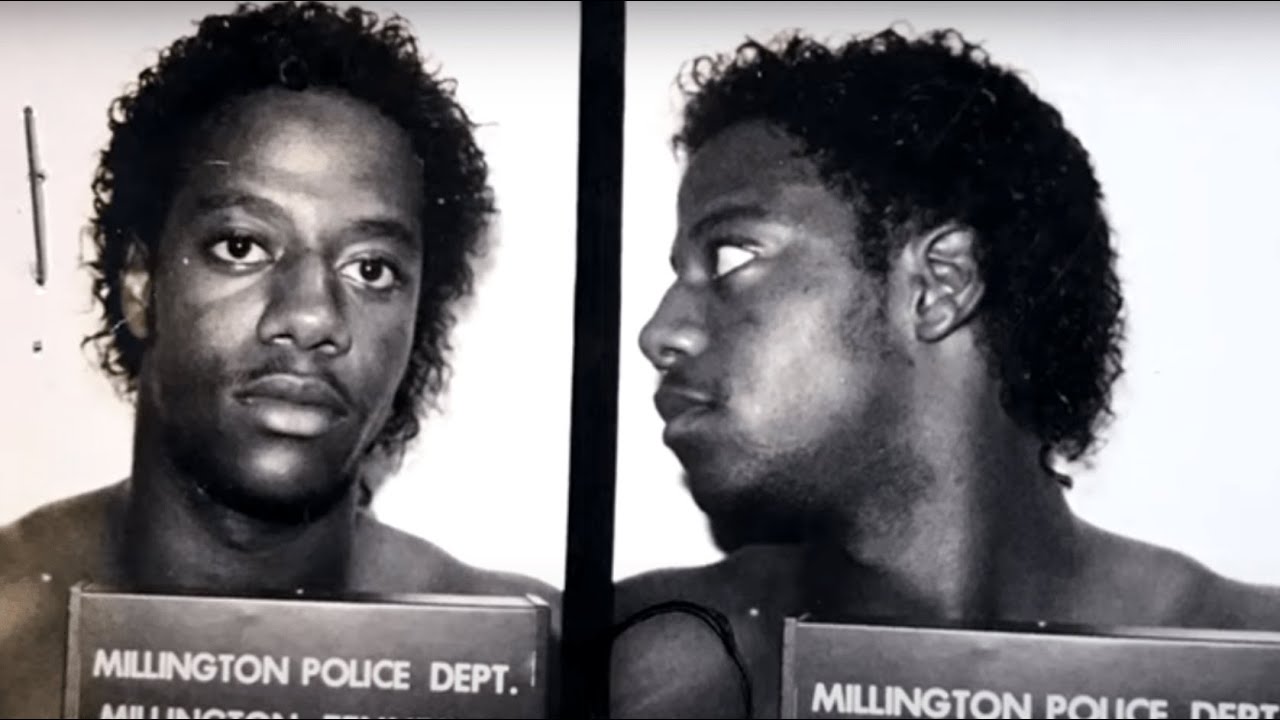
The case of death row inmate Pervis Payne | Tennessean
Tennessean
Overview
This video details the case of Pervis Payne, a death row inmate whose conviction is questioned due to significant flaws in the initial investigation and trial. The summary highlights inconsistencies in the evidence, such as missing key items like fingernail scrapings and the absence of blood on Payne's clothing despite the brutal nature of the crime. It also questions the prosecution's motive, particularly the claim that Payne was high on drugs and motivated by racial fetishism, which is contradicted by his family history and the actual magazine found. The video emphasizes the potential for intellectual disability to have influenced Payne's actions at the crime scene and his subsequent behavior, arguing that the investigation was incompetent and evidence was mishandled or lost, leading to a conviction based on questionable grounds. The plea for clemency is presented as a last resort to address these systemic issues.
Save this permanently with flashcards, quizzes, and AI chat
Chapters
- The initial investigation by the Millington Police Department was severely flawed and lacked the expertise expected for a case of this magnitude.
- Crucial evidence that should have been collected was allegedly not, and the small town department failed to call in larger agencies like the TBI or Sheriff's office for assistance.
- The crime scene was described as horrific, with extensive blood, indicating a violent and personal attack.
- Pervis Payne, who has an intellectual disability, claims he entered the apartment to help after finding the victims.
- His actions at the scene, such as removing a knife from a victim's neck, are presented as those of someone panicked and trying to assist, not an assailant.
- Payne's attempt to call 4-1-1 instead of 9-1-1 is cited as an example of his impaired decision-making due to his disability, not guilt.
- Payne's clothing was found to be nearly clean, which is inconsistent with him being the assailant in a crime involving 80 stab wounds and extensive blood splatter.
- Fingernail scrapings from one of the victims, which could contain the perpetrator's DNA, are missing and their disappearance is unexplained.
- Male DNA found on the murder weapon's handle does not match Pervis Payne's DNA profile, though it's insufficient for database identification.
- The prosecution's motive—that Payne was high on drugs, looking at a Playboy magazine, and acted out of sexual rejection—is challenged.
- Payne's family denies any history of drug abuse, and his mother requested he be tested for drugs immediately after his arrest, a request that was refused.
- The magazine found with Payne was Jet magazine, featuring Eddie Murphy, not Playboy, contradicting the prosecution's sensationalized narrative.
- Payne's defense team believes he is innocent and that there are too many unanswered questions about the case.
- The court system has been unable to rectify the issues, making the clemency process the last hope for justice.
- A public campaign is underway to bring attention to the case and urge the governor to intervene and save Payne's life.
Key takeaways
- Inadequate police investigation, including failure to collect evidence and involve specialized units, can lead to wrongful convictions.
- Intellectual disability can significantly impact an individual's behavior and decision-making, requiring careful consideration in legal contexts.
- Missing or mishandled forensic evidence, especially DNA, can prevent the establishment of factual guilt or innocence.
- Prosecution narratives that rely on sensationalized or unsubstantiated motives, particularly those involving race or drug use, should be critically examined.
- Physical evidence that contradicts the prosecution's theory of the crime, such as clean clothing at a bloody scene, warrants further investigation.
- The clemency process is a vital last resort for addressing potential miscarriages of justice when other legal avenues have been exhausted.
- The integrity of the justice system depends on thorough and unbiased investigations, accurate presentation of evidence, and fair trials.
Key terms
Test your understanding
- What were the primary flaws identified in the initial investigation of Pervis Payne's case?
- How might Pervis Payne's intellectual disability explain his actions at the crime scene and his subsequent behavior?
- Why is the disappearance of the victim's fingernail scrapings considered a critical issue in this case?
- What evidence contradicts the prosecution's claim regarding the motive for the crime and Pervis Payne's state of mind?
- What is the purpose of the clemency process, and why is it being pursued in Pervis Payne's case?