23:08
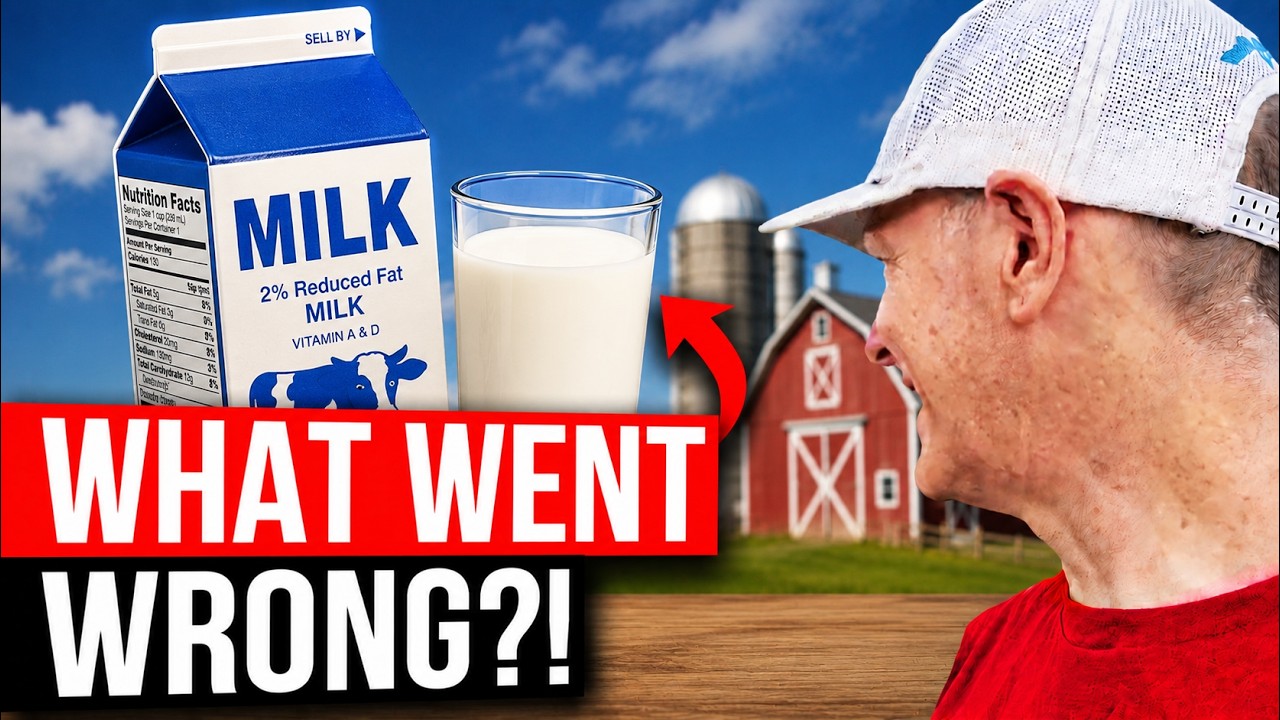
Why America stopped drinking milk
Michael Girdley
Overview
This video explores the dramatic decline in milk consumption in America, from its peak in the mid-20th century to recent industry bankruptcies. It traces milk's transformation from a potentially dangerous, unregulated product to a government-promoted health food, then a patriotic symbol, and finally, a product whose industry faced challenges from changing health perceptions, competition from sugary drinks, and evolving consumer preferences. The narrative highlights the complex interplay between industry lobbying, government policy, scientific understanding, and public perception in shaping the fate of a major food product.
How was this?
Save this permanently with flashcards, quizzes, and AI chat
Chapters
- In the 19th century, rapid urbanization led to a demand for milk in cities, but without refrigeration or pasteurization, milk was often unsafe.
- Some milk producers fed cows distillery waste, leading to unhealthy animals and contaminated, adulterated milk, which caused significant infant mortality.
- Early journalism exposed these dangerous practices, sparking public outcry and paving the way for regulation and safer milk production methods.
Understanding the early dangers and lack of regulation highlights the critical role of scientific advancements and public awareness in transforming milk into a seemingly safe food product.
Producers adding chemicals like plaster of Paris and molasses to thin, bluish milk to make it appear normal, leading to thousands of infant deaths.
- Louis Pasteur's invention of pasteurization in the 1860s allowed milk to be heated to kill bacteria, extending its shelf life and making it safer.
- Initially resisted by producers due to cost, pasteurization eventually became standard, driven by public health advocates like Nathan Straus and later mandated by the government.
- In the early 20th century, the dairy industry, government, and scientists collaborated to promote milk as a 'protective food,' especially after Vitamin D fortification helped eradicate rickets.
This era marks a pivotal shift where milk transitioned from a potential poison to a celebrated health product, largely due to technological innovation and strategic industry promotion.
The fortification of milk with Vitamin D in the 1930s, which effectively eliminated the childhood bone disease rickets.
- During World War II, milk was promoted as a patriotic necessity for feeding soldiers, solidifying its image as a vital American product.
- In the Cold War, milk became a symbol of American abundance and health, contrasted with perceived scarcity in the Soviet Union.
- The USDA, tasked with both promoting agriculture and public health, increasingly aligned with the dairy industry, mandating milk in school lunches and subsidizing its availability.
Milk's association with patriotism and its integration into government programs like school lunches created deep-seated consumption habits and solidified its place in the national diet.
The government mandate in 1946 for school lunches to include milk, followed by the Special Milk Program in 1954 to further subsidize it.
- As the nation grappled with rising obesity in the 1980s and 90s, milk's high-fat image began to clash with new health recommendations.
- The food pyramid, influenced by dairy lobbying, continued to recommend high dairy intake, even as scientific understanding of lactose intolerance grew.
- Sugary drinks like soda emerged as major competitors, offering high profit margins for restaurants and effectively capturing consumer beverage choices, especially among younger generations.
Changing dietary concerns and aggressive marketing by competitors began to erode milk's dominant position, revealing vulnerabilities in its long-held health halo.
Coca-Cola and Pepsi's aggressive marketing campaigns, which positioned soda as aspirational and cool, contrasting with milk's perceived image.
- The dairy industry, facing declining fluid milk sales, invested heavily in marketing campaigns like 'Milk, It Does a Body Good' and 'Got Milk?', funded by taxes on milk production.
- When consumption continued to fall, the government began buying surplus milk and converting it into cheese, leading to massive cheese stockpiles.
- This surplus cheese fueled the growth of industries like pizza and fast food, often with government support and marketing partnerships, further embedding dairy into the American diet, albeit in a processed form.
This period demonstrates how government intervention and industry marketing strategies adapted to declining consumption, shifting focus to products like cheese and creating new economic dependencies.
The government's purchase of 1.4 billion pounds of surplus cheese, which was then promoted through partnerships with companies like Domino's to increase cheese consumption on pizzas.
- The dairy industry underwent significant consolidation, with large corporations replacing small family farms, leading to concerns about animal welfare and product quality.
- The rise of plant-based alternative milks (soy, almond, oat) offered options for consumers, including those who are lactose intolerant or seeking perceived healthier choices.
- Increased consumer awareness, fueled by the internet and media, led to greater scrutiny of milk's health claims, production methods, and the industry's historical practices.
- Large retailers like Walmart began producing their own milk, increasing buyer power (monopsony) and squeezing dairy producers.
Modern consumers, armed with more information and choices, are driving further change, challenging the traditional dairy industry's dominance and forcing a reevaluation of its place in a healthy diet.
The emergence of brands like Oatly, which successfully marketed plant-based milk as a modern, appealing alternative to traditional dairy.
Key takeaways
- Milk's history in America is a complex story of scientific advancement, aggressive marketing, and government policy, not just simple health trends.
- Early milk production was dangerous due to lack of regulation, highlighting the importance of food safety standards.
- The dairy industry successfully rebranded milk as a health food and patriotic symbol through strategic partnerships with government and scientists.
- Competition from the beverage industry, particularly sugary drinks, significantly impacted milk consumption.
- Government support, initially for public health, evolved into propping up the dairy industry through surplus purchases and marketing initiatives.
- Lactose intolerance is a natural human condition, not a defect, affecting a majority of the world's population.
- Industry consolidation has dramatically altered the landscape of dairy farming, favoring large corporations over small family operations.
- Consumer awareness and the availability of alternatives are increasingly shaping the future of the dairy market.
Key terms
PasteurizationLactose IntoleranceRicketsNational Dairy CouncilFederal Milk Marketing OrdersUSDA (United States Department of Agriculture)Food PyramidMonopsonyDairy ConsolidationAlternative Milks
Test your understanding
- What were the primary dangers associated with milk consumption in the 19th century, and how were they addressed?
- How did the dairy industry, government, and scientific community collaborate to promote milk as a healthy food in the early 20th century?
- Explain the role of government policy and marketing in shaping milk consumption patterns during the mid-20th century, particularly in relation to patriotism and public health initiatives.
- What factors contributed to the decline of milk consumption starting in the late 20th century, and how did the industry respond?
- How has the rise of alternative milks and increased consumer awareness impacted the traditional dairy industry?