59:38
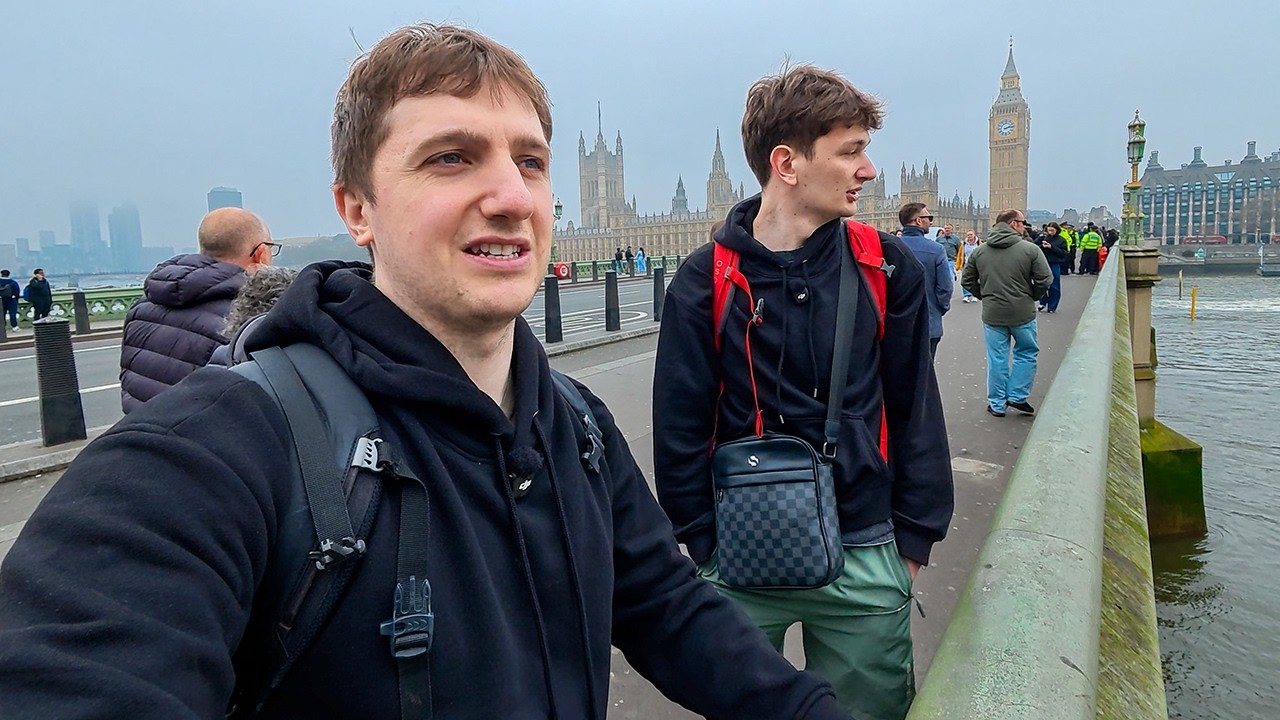
Americans First Time in London! | Everything We Were Told Was a LIE! 🇬🇧
TriFate Lifestyle
Overview
This video chronicles an American couple's first-time visit to London, detailing their initial impressions and explorations. They navigate the city's extensive public transport, visit iconic landmarks like Big Ben and the London Eye, and are surprised by the city's vibrant, sometimes chaotic, street life and diverse cultural offerings. The experience challenges their preconceived notions, highlighting the unexpected aspects of London's urban landscape and culture, from its unique architecture to its bustling atmosphere and culinary scene.
How was this?
Save this permanently with flashcards, quizzes, and AI chat
Chapters
- The London Underground (the Tube) has an exceptionally complex and visually intricate map, more so than other major global cities visited.
- The Tube trains are spacious and comfortable, featuring modern amenities like 'tap to pay' systems.
- Navigating the Tube can be challenging, with sudden crowding and smaller, older carriages on some lines contrasting with larger, modern ones like the Elizabeth line.
Understanding the public transport system is crucial for efficient exploration and provides an immediate, immersive experience of the city's infrastructure and daily life.
The travelers were surprised by the contrast between the spacious Elizabeth line train and the smaller, crowded Jubilee line train, which even shut its doors on them.
- Initial encounters with famous landmarks like Big Ben and the London Eye are met with a mix of familiarity from media portrayals and surprise at their actual appearance.
- The city reveals unexpected, gritty urban spaces, including areas with extensive graffiti and a distinct nightlife atmosphere, challenging the idealized tourist image.
- London's architecture and streetscapes strongly resemble those seen in American movies set in the UK, creating a surreal sense of déjà vu.
This chapter highlights the gap between media representations and reality, showing how exploring beyond the main attractions can lead to surprising and authentic urban experiences.
Stumbling upon a street with active graffiti artists and a unique, almost underground vibe, which felt vastly different from the expected tourist paths.
- Major tourist areas around Big Ben and the London Eye are unexpectedly crowded, even outside peak season.
- The city's river, the Thames, is wide and busy with various forms of transport, including 'Uber boats'.
- Historic buildings are repurposed into modern attractions like food courts and entertainment venues, blending old and new.
This section emphasizes how tourist hotspots can be overwhelming and how the city creatively reuses its historical structures, offering diverse experiences beyond just sightseeing.
Observing the sheer volume of people gathered by Big Ben and the London Eye, contrasting with the less crowded airport experience.
- The travelers explore diverse areas, from posh shopping streets like Bond Street to vibrant cultural hubs like Chinatown.
- They encounter a wide array of international influences, including Asian cuisine and a surprising number of American fast-food chains.
- The city's architecture varies dramatically, from grand, historic buildings to modern, uniquely curved structures like the building on Regent Street.
This showcases London's multifaceted identity, demonstrating how different neighborhoods offer distinct atmospheres, from high-end retail to bustling ethnic enclaves.
Walking through the Burlington Arcade, a covered shopping street with massive chandeliers, which felt like discovering a hidden gem.
- The search for authentic British cuisine leads to an exploration of Indian food, with a visit to a highly-rated restaurant.
- The travelers compare British Indian food to their experiences in India, noting differences in flavor profiles and preparation.
- They discover unique food offerings and the prevalence of popular chains like Nando's and Greggs, alongside high-end dining.
Food is a significant cultural gateway; exploring local eateries and comparing international cuisines provides insight into cultural adaptation and local tastes.
Trying the 'Ruby Curry' at a popular Indian restaurant, described as a more seasoned version of butter chicken, and comparing it to Southeast Asian versions.
- London's density and constant activity create a dynamic, almost overwhelming urban experience.
- The city offers endless opportunities for exploration, with countless streets and attractions yet to be discovered.
- The travelers express a desire to explore beyond the capital, visiting smaller towns and other UK countries like Scotland and Wales.
This emphasizes that a single visit only scratches the surface, encouraging continued learning and exploration of the UK's diverse regions and cultures.
The realization that even after extensive walking, they've only seen a fraction of what London has to offer, prompting plans for future, more in-depth explorations.
Key takeaways
- London's public transport is extensive and complex, requiring some effort to navigate but offering a comprehensive way to see the city.
- The reality of London often diverges from media portrayals, offering both iconic sights and unexpected, gritty urban experiences.
- The city is a melting pot of cultures, reflected in its diverse neighborhoods, food scene, and the mix of international and local influences.
- London's architecture is a fascinating blend of historic grandeur and modern innovation, with buildings often repurposed or uniquely integrated into the urban landscape.
- Exploring London involves embracing the unexpected; getting lost can lead to the most interesting discoveries.
- Despite its reputation, London offers a wide range of accommodation options, from budget-friendly to luxurious.
- The city's energy is palpable, with bustling streets, vibrant nightlife, and a constant stream of activity, especially in its central tourist areas.
Key terms
The TubeUndergroundTap to payElizabeth LineJubilee LineBig BenLondon EyeBlack CabDouble-decker busBuckingham PalaceWestminster AbbeyHouse of ParliamentChinatownPiccadilly CircusRegent StreetQuid
Test your understanding
- How does the London Underground's complexity compare to other major city metro systems, and what are some of its unique features?
- What were some of the unexpected urban environments or subcultures the travelers encountered that contrasted with their initial expectations of London?
- How does the architecture and repurposing of historic buildings in London contribute to the city's unique character?
- What were the travelers' experiences with London's Indian food scene, and how did it compare to their expectations based on their travels in India?
- What are some of the key differences between the tourist experience in central London and the potential for deeper cultural exploration in other parts of the city or country?