8:25
Spanish Colonization of the Americas (New Spain / APUSH Period 1 / Colonial America)
Tom Richey
Overview
This video explores the Spanish colonization of the Americas, focusing on New Spain. It details the motivations behind Spanish expansion, including God, glory, and gold, driven by the Reconquista. The summary covers the role of conquistadors like Hernán Cortés, the social hierarchy (casta system) in New Spain, and the exploitative labor system known as the encomienda. It also highlights the Spanish mission system's goal of assimilation and conversion, and contrasts Spanish colonization with that of other European powers.
How was this?
Save this permanently with flashcards, quizzes, and AI chat
Chapters
- Spanish colonization was driven by the "Reconquista," a centuries-long effort to reclaim territory from Muslims, which instilled a drive for conquest.
- The primary motivations for Spanish expansion were "God, glory, and gold."
- Conquistadors were the agents of this expansion, conquering indigenous empires like the Aztecs.
- Spain's empire in the Americas was vast, at one point controlling over half of what is now the United States.
Understanding the historical context of the Reconquista and the 'God, glory, gold' motivations is crucial for grasping the aggressive and religiously-infused nature of Spanish colonization.
Hernán Cortés's conquest of the Aztec Empire, defeating King Moctezuma, exemplifies the actions of conquistadors.
- The social hierarchy in New Spain, known as the "casta system," was based on bloodline and place of birth.
- At the top were Peninsulares (Spanish born in Spain), followed by Creoles (Spanish born in the colonies).
- Below them were Mestizos (people of mixed ancestry born in the colonies).
- This system dictated social rank and opportunities, similar to how birth location influenced status in British colonies.
The casta system reveals the rigid social stratification and inherent discrimination within Spanish colonies, emphasizing the importance of European ancestry and birthplace.
Peninsulares, despite being ethnically Spanish, held higher status than Creoles simply because they were born in Spain, not the colonies.
- The "encomienda" was the primary labor system in early Spanish colonies, though its exact translation is difficult.
- It was an exploitative system where Spanish colonizers were granted indigenous labor.
- Bartolomé de las Casas, a Dominican priest, vehemently protested the abuses of the encomienda system.
- The "Black Legend" refers to accounts of Spanish cruelty towards Native Americans, though some accounts may have been exaggerated for effect.
The encomienda system highlights the brutal economic exploitation of indigenous populations and raises important questions about historical narratives and bias, as seen in the 'Black Legend'.
Accounts described by Bartolomé de las Casas depicted Spaniards feeding children to dogs and executing indigenous people, illustrating the extreme abuses.
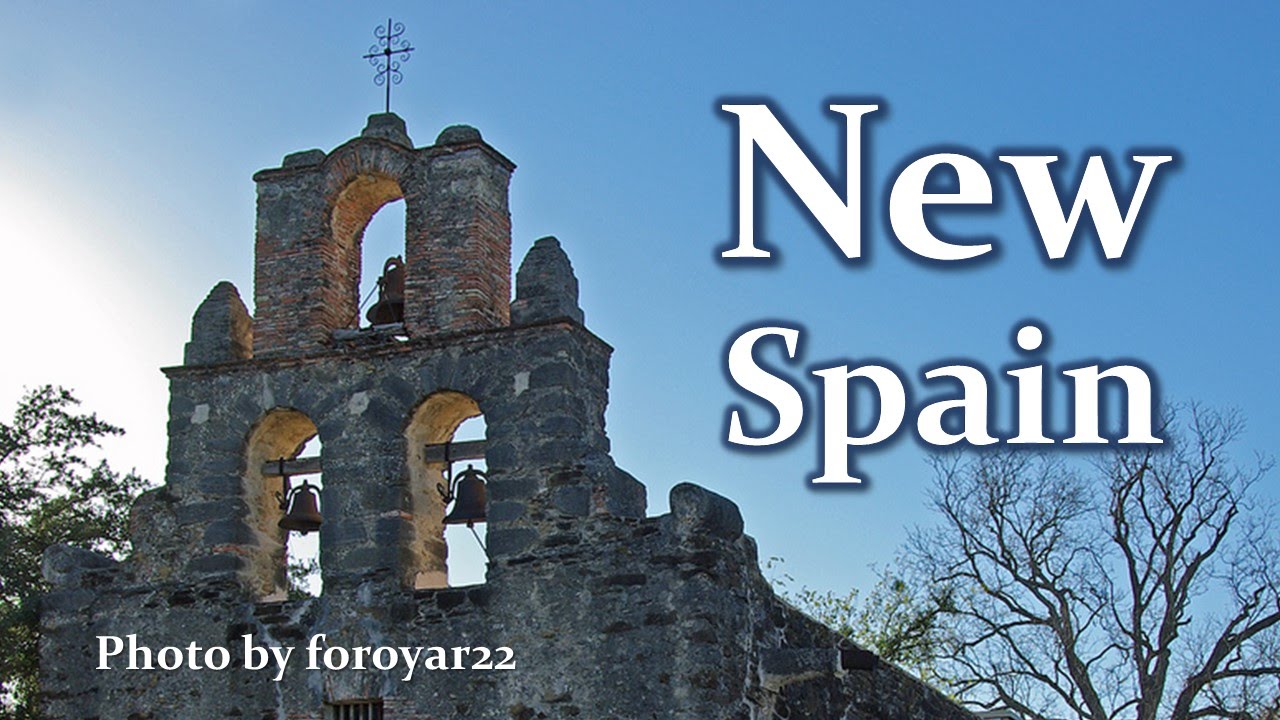
- Spanish priests established missions with the goal of assimilating Native Americans into Spanish culture and the empire.
- Objectives included teaching Spanish language, converting natives to Christianity, and collecting taxes.
- Missions served as community centers, fortresses, and economic hubs, not just religious sites.
- This approach encouraged Native Americans to 'follow' Spanish ways, contrasting with other colonial approaches.
The mission system demonstrates the Spanish strategy of cultural and religious conversion as a tool for empire-building and control.
Many famous Californian cities like San Diego and San Francisco originated as Spanish missions, such as Mission San Juan Capistrano, which included facilities like a winery and carpenter shop.
Key takeaways
- Spanish colonization was fueled by a desire for conquest, religious expansion, and economic gain, stemming from the historical context of the Reconquista.
- The social structure of New Spain was rigidly defined by the casta system, prioritizing Spanish birth and bloodline.
- The encomienda system led to severe exploitation and abuse of indigenous populations.
- Spanish missions aimed to assimilate Native Americans through conversion and cultural integration, serving multiple functions beyond religion.
- The motivations and methods of Spanish colonization differed significantly from those of other European powers.
- Historical accounts of Spanish actions, like the 'Black Legend,' should be considered alongside the perspectives of those who wrote them, such as Bartolomé de las Casas.
Key terms
New SpainReconquistaGod, Glory, GoldConquistadorsCasta SystemPeninsularesCreolesMestizosEncomiendaBartolomé de las CasasBlack LegendMissions
Test your understanding
- What were the primary motivations behind Spanish colonization in the Americas?
- How did the casta system in New Spain determine an individual's social standing?
- What was the encomienda system, and why was it criticized?
- What was the dual purpose of Spanish missions in the Americas?
- How did the Spanish approach to colonization, particularly regarding assimilation, differ from other European powers?