Is This The Secret To A Faster XC Bike?
Global Mountain Bike Network
Overview
This video explores whether using heavier-casing XC (cross-country) mountain bike tires, like those with a "trail" casing, offers significant advantages over traditional lightweight "race" casing tires, especially for everyday riding and training. The presenter compares Vittoria's XC Race and XC Trail tires with identical tread patterns but different casing weights and protective features. Through timed laps on a local XC course, measuring power output and heart rate, the video investigates the impact of the extra weight and reinforcement on climbing and descending performance, as well as the rider's confidence and perceived feel on the trail. The findings suggest that while race tires are slightly faster on climbs, the difference is minimal, and trail tires offer increased durability and peace of mind without a drastic performance penalty for most riders.
Save this permanently with flashcards, quizzes, and AI chat
Chapters
- Modern XC mountain bikes have evolved with more suspension travel and slacker geometry to handle increasingly technical courses.
- Despite bike advancements, XC tires have largely remained focused on minimizing weight.
- This raises the question of whether a heavier, more durable tire casing could benefit riders by reducing punctures and increasing confidence on rough terrain.
- Lightweight race casings offer responsiveness, while tougher trail casings provide more protection and support.
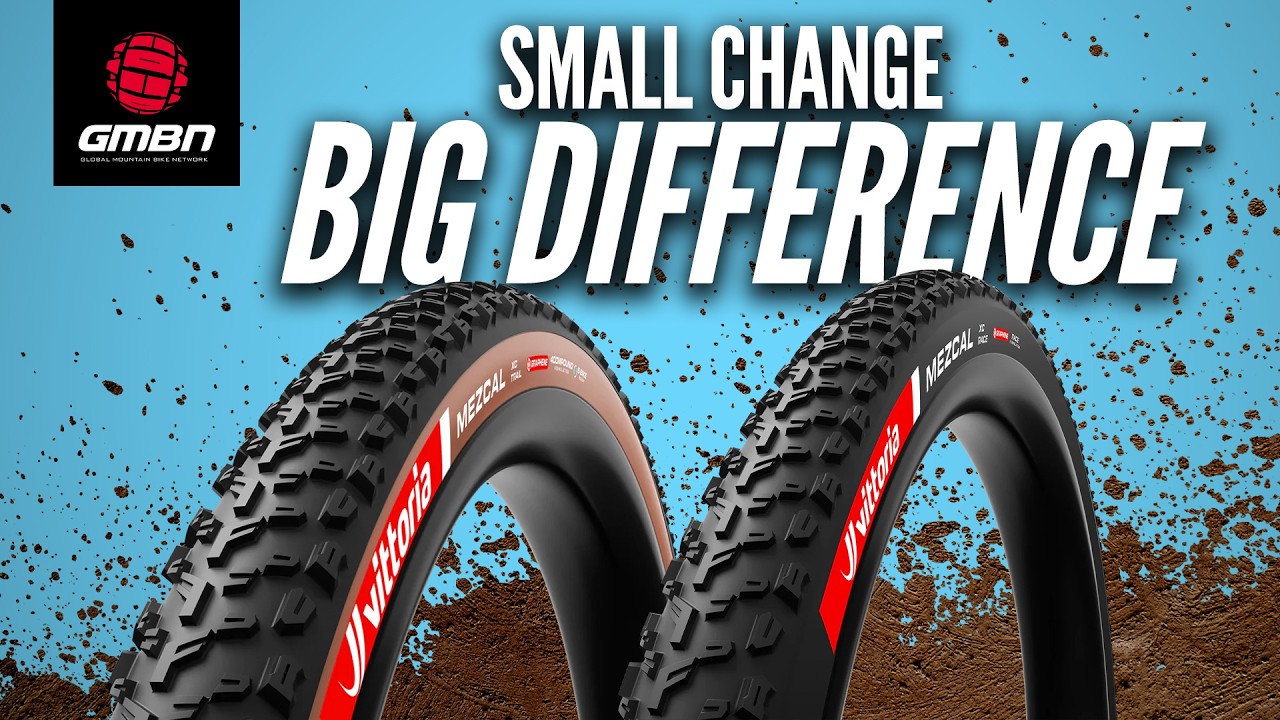
- The test compares Vittoria's new XC Trail tires against their XC Race tires, using identical tread patterns (Barzo front, Mezcal rear) but different casings.
- The XC Trail tires feature reinforced sidewalls and an anti-puncture belt, adding 160-180g per tire compared to the Race version.
- Two identical wheelsets (Reynolds 309 XC) were used to isolate the tire variable.
- Performance was measured using power meter pedals and a heart rate monitor to ensure consistent effort across timed laps, broken down into climbs and descents.
- On climbs, the XC Race tires were slightly faster (7-8 seconds quicker on two climbs combined) due to lower rotational weight and less rolling resistance.
- Average power output was similar, indicating comparable effort was applied.
- Descents showed no significant difference in time between the two tire types.
- The presenter's personal feel on the trail was surprisingly similar, with no discernible difference in grip or handling, crediting the identical tread patterns and widths.
- Despite the slight speed advantage of race tires on climbs, the difference is minimal for most riders, especially those not competing at the highest level.
- The XC Trail tires offer increased confidence and peace of mind against punctures without a significant performance penalty.
- The presenter recommends using XC Race tires for actual race days and XC Trail tires for training, leveraging Vittoria's consistent tread patterns across both options.
- This strategy allows riders to train on a tire that closely mimics their race setup while providing crucial durability for everyday use.
Key takeaways
- Modern XC courses demand more from bikes and tires than in the past.
- Heavier casing XC tires offer increased puncture protection and rider confidence on rough terrain.
- Lightweight XC race tires provide a slight speed advantage on climbs due to lower rotational weight.
- The performance difference between XC Race and XC Trail tires is often minimal for non-elite riders, especially on descents.
- Riders can benefit from using the same tread pattern but different casing weights for training (trail) and racing (race) to balance performance and durability.
- Vittoria's consistent tread patterns across their XC Race and XC Trail lines facilitate this training-vs-racing tire strategy.
Key terms
Test your understanding
- What are the primary differences in construction between XC Race and XC Trail tires, and how do these differences affect their weight?
- How did the XC Race and XC Trail tires perform differently on climbs versus descents during the timed tests?
- Why might a rider choose a heavier trail casing tire over a lighter race casing tire for everyday riding, even if it means a slight decrease in climbing speed?
- What strategy does the presenter recommend for using different tire types for training versus racing, and why is this strategy effective?
- What factors, besides tire casing, might influence a rider's decision on which type of XC tire to use?