AICE International History chapter 4.1 review
Juliana Fernandez
Overview
This video reviews Chapter 4.1 of the AICE International History textbook, focusing on the implications of China's Warlord Era from 1916 to 1928. It details the collapse of the imperial system, the rise of regional warlords after the 1911 revolution, and the subsequent fragmentation of China. The chapter also covers the impact of foreign influence, particularly from Japan and Western powers, the emergence of reform movements like the May Fourth Movement, and the formation of key political parties such as the Kuomintang (KMT) and the Chinese Communist Party (CCP). The summary concludes with the KMT's Northern Expedition and the complex, often divided, efforts to unify China amidst ongoing internal and external challenges.
Save this permanently with flashcards, quizzes, and AI chat
Chapters
- China's imperial system collapsed by 1912 due to internal rebellions and external pressures.
- The subsequent Republic of China failed to unify the country, leading to provincial warlord control and civil conflict.
- Japan's growing power, fueled by military successes and expansionist policies, presented both a threat and an opportunity in the region.
- The late 19th century saw the Manchu dynasty weakened by foreign exploitation and internal unrest.
- Military defeats in the Sino-Japanese and Russo-Japanese wars exposed China's vulnerability.
- Empress Dowager Cixi's resistance to reform and reliance on foreign support, as seen in the Boxer Rebellion, ultimately led to increased foreign compensation and erosion of traditional culture.
- Figures like Sun Yat-sen emerged, advocating for a republican form of government.
- The Xinhai Revolution in 1911 led to the abdication of the last emperor and the establishment of the Republic of China.
- Yuan Shikai, a powerful general, became the first president but quickly consolidated power into a military dictatorship.
- Yuan suppressed political opposition, banned the Kuomintang (KMT), and undermined the nascent republic.
- His attempt to declare himself emperor in 1915 failed, leading to his abdication and death, which plunged China into further chaos.
- Following Yuan Shikai's death in 1916, China fractured into numerous regions controlled by competing warlords.
- Warlords prioritized personal gain, leading to economic exploitation, instability, and widespread hardship for the populace.
- Rival governments emerged, such as Sun Yat-sen's KMT government in the south, but lacked widespread authority.
- The persistent chaos and lack of effective governance fueled radical and revolutionary ideologies.
- Frustration with warlordism and national weakness spurred the New Culture Movement, advocating for Western ideas and modernization.
- The May Fourth Movement in 1919 was a pivotal student protest against the Treaty of Versailles' decision to grant German concessions in Shandong province to Japan.
- The protests led to significant nationalistic sentiment, increased literacy, and the promotion of Western thought.
- This movement was instrumental in fostering the conditions for the formation of new political parties, including the Chinese Communist Party (CCP) in 1921.
- The CCP, though small, received Soviet support and formed a First United Front with the KMT in 1923 to counter warlords and foreign influence.
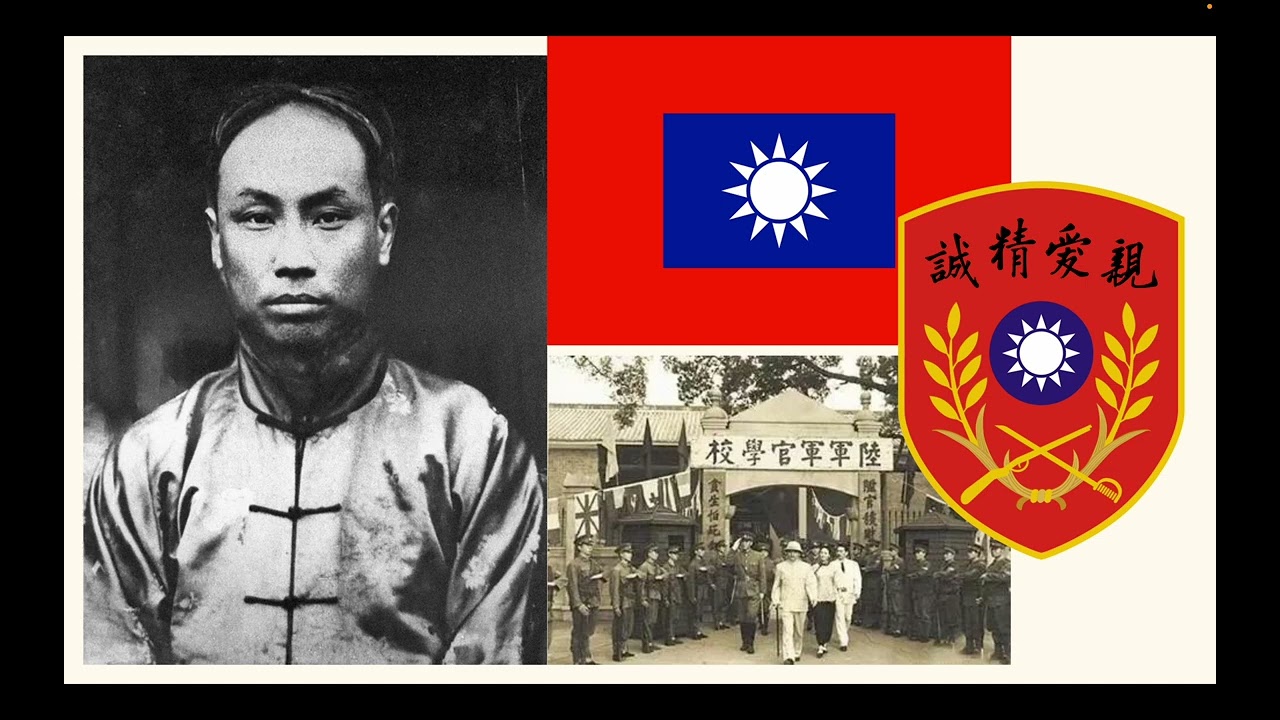
- Soviet assistance, particularly through the Whampoa Military Academy led by Chiang Kai-shek, helped modernize the KMT's military.
- Sun Yat-sen's Three Principles of the People—Nationalism, Democracy, and People's Livelihood (social/economic reform)—provided the KMT's ideological framework.
- The KMT gained popularity by aligning with May Fourth ideals, promising order, and collaborating with the CCP, despite internal divisions.
- After Sun Yat-sen's death, Chiang Kai-shek consolidated KMT leadership and launched the Northern Expedition in 1926 to defeat warlords.
- The expedition was successful due to KMT organization, Soviet aid, and popular support, leading to significant territorial gains.
- Internal KMT divisions led to a split in 1927 between the Wuhan (pro-reform) and Nanjing (anti-communist) factions, with Chiang Kai-shek leading the latter.
- Despite capturing Beijing in 1928 and establishing international recognition for the Nanjing government, true national unity remained elusive due to regrouping warlords and ongoing rivalries.
Key takeaways
- The collapse of imperial China created a power vacuum filled by regional warlords, leading to decades of instability and conflict.
- Foreign intervention and influence, particularly from Japan and Western powers, significantly shaped China's internal politics and national identity.
- The May Fourth Movement was a critical turning point, fostering modern Chinese nationalism and intellectual reform.
- Sun Yat-sen's Three Principles of the People provided a foundational ideology for the Kuomintang's efforts to unify China.
- Despite military successes like the Northern Expedition, internal divisions within the KMT and the persistence of warlordism prevented complete national unification by 1928.
- The period was characterized by a struggle between traditional forces, reformist movements, and the emergence of new ideologies like communism.
- Economic hardship and social instability were direct consequences of the prolonged warlord era.
Key terms
Test your understanding
- What were the primary reasons for the failure of the Republic of China to maintain unity after 1912?
- How did the actions of Yuan Shikai contribute to the disintegration of China and the rise of the warlord era?
- What was the significance of the May Fourth Movement in shaping Chinese nationalism and political thought?
- Explain the core tenets of Sun Yat-sen's Three Principles of the People and their role in the KMT's platform.
- Why was the Northern Expedition ultimately unable to achieve complete unification of China by 1928?