13:00
Wraith of Injustice Episode 2
Sarah Nilsson
Overview
This video details the tragic plane crash that resulted in the death of Heidi Sudalland. It recounts the events leading up to the flight, the crash itself near Kingman, Arizona, and the subsequent investigation. The investigation revealed that the probable cause was the student pilot's failure to secure fuel caps, leading to fuel exhaustion and loss of engine power. The video also touches upon the pilot's medical history and lack of cooperation with investigators, highlighting the broader implications of his actions.
How was this?
Save this permanently with flashcards, quizzes, and AI chat
Chapters
- Heidi Sudalland and Anderson departed for a flight on January 13, 2019, after attending a birthday party.
- Their initial plan was to fly to Kingman for fuel before heading to Glendale.
- The weather at Kingman was reported as clear and favorable for flying.
- Heidi last communicated with her sister, Hannah, indicating they were preparing for takeoff and then airborne.
This sets the scene for the tragic events, establishing the participants, the intended route, and the initial conditions of the flight.
Heidi texting her sister Hannah to let her know they were at Pierce Ferry Airport and then 'wheels up'.
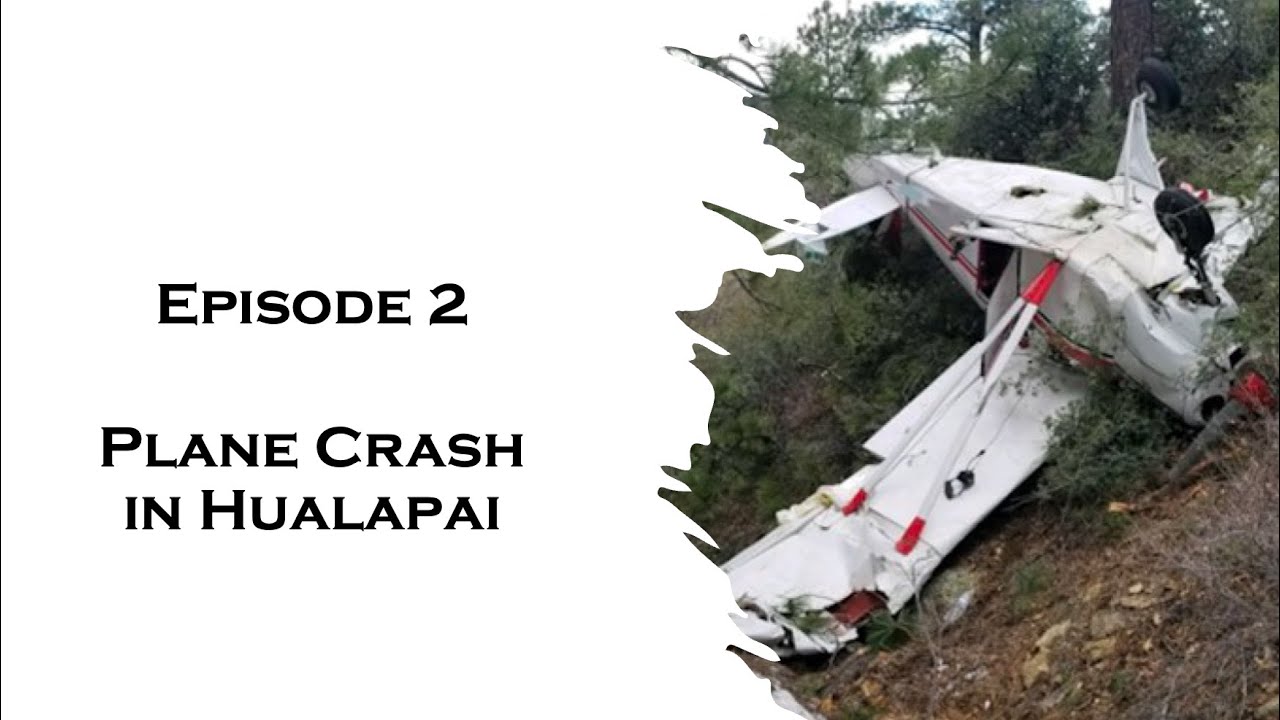
- The plane crashed approximately 10 miles south of Kingman in the Halapai Mountain Park, impacting trees and coming to rest inverted.
- Anderson, the student pilot, survived with serious injuries, while Heidi, the passenger, tragically died.
- A passerby found Anderson and called 911, leading to the arrival of local first responders and law enforcement.
- Due to a government sequestration, NTSB and FAA personnel were not immediately available at the crash site.
This describes the critical moments of the accident and the immediate response, highlighting the challenges faced by first responders due to the lack of specialized investigative personnel.
The plane came to rest inverted on manzanita bushes in a ravine, with no post-crash fire.
- The wreckage was recovered and later examined by FAA, Lycoming, and Piper investigators.
- Propeller damage indicated a complete loss of engine power at impact.
- No pre-impact mechanical failures were found in the airframe or engine.
- Crucially, the fuel caps were missing from the aircraft, and no fuel was found in the tanks or lines.
- Investigators concluded that the absence of fuel caps likely caused fuel to siphon overboard during flight, leading to fuel exhaustion.
This section reveals the core findings of the investigation, pinpointing the direct cause of the engine failure and subsequent crash.
The NTSB determined the probable cause was the student pilot's failure to secure the fuel caps, leading to fuel exhaustion and loss of engine power.
- Anderson, the pilot, had a history of diabetes and used an insulin pump.
- His blood glucose levels were extremely high post-accident, though no ethanol or other drugs were detected.
- The NTSB could not definitively determine if diabetic complications impaired Anderson's ability to fly.
- Anderson refused to cooperate with the NTSB investigation, hindering their ability to gather further information.
This addresses potential contributing factors related to the pilot's health and his lack of cooperation, which raises questions about his fitness to fly and transparency.
Anderson's post-accident blood glucose level was recorded at 358 mg per deciliter, more than twice the normal maximum.
- Heidi Sudalland was remembered for her vibrant spirit and zest for life.
- Her daughter Maya organized a GoFundMe for funeral expenses, which exceeded its goal.
- Family and friends gathered to celebrate Heidi's life, remembering her infectious smile and positive influence.
- The video concludes by foreshadowing further details about Christopher Adam Anderson in the next episode, citing his alleged disregard for regulations and health disclosures.
This shifts focus to the victim and the impact of her loss, while also setting up future installments by highlighting ongoing concerns about the pilot's past actions.
Maya described her mother's vibrancy by saying 'sunset was her mother's favorite color' and that 'the vibrancy of a sunset was how Heidi lived her life.'
Key takeaways
- Proper pre-flight checks, including securing fuel caps, are critical for aviation safety.
- Student pilots must adhere strictly to regulations regarding medical fitness and operational procedures.
- The absence of crucial components like fuel caps can lead to catastrophic failures due to unforeseen consequences like fuel siphoning.
- Investigative bodies rely on pilot cooperation to accurately determine accident causes and prevent future incidents.
- Even minor oversights in aviation can have fatal consequences, underscoring the importance of meticulous attention to detail.
- The emotional and financial toll of a tragic accident extends to the victim's family, often requiring community support.
- The video highlights the 'wraith' of injustice, suggesting that the consequences of negligence and dishonesty can linger long after an event.
Key terms
Student pilotFuel exhaustionFuel siphoningNTSB (National Transportation Safety Board)FAA (Federal Aviation Administration)MEAR (Meteorological Aerodrome Report)Pre-flight planningProbable causeGovernment sequestration
Test your understanding
- What was the probable cause of the plane crash, according to the NTSB investigation?
- How did the absence of fuel caps contribute to the accident?
- Why was the NTSB's immediate response to the crash site delayed?
- What information was unavailable to investigators due to the pilot's lack of cooperation?
- What does the video suggest about the pilot's alleged disregard for FAA regulations prior to this incident?