16:19
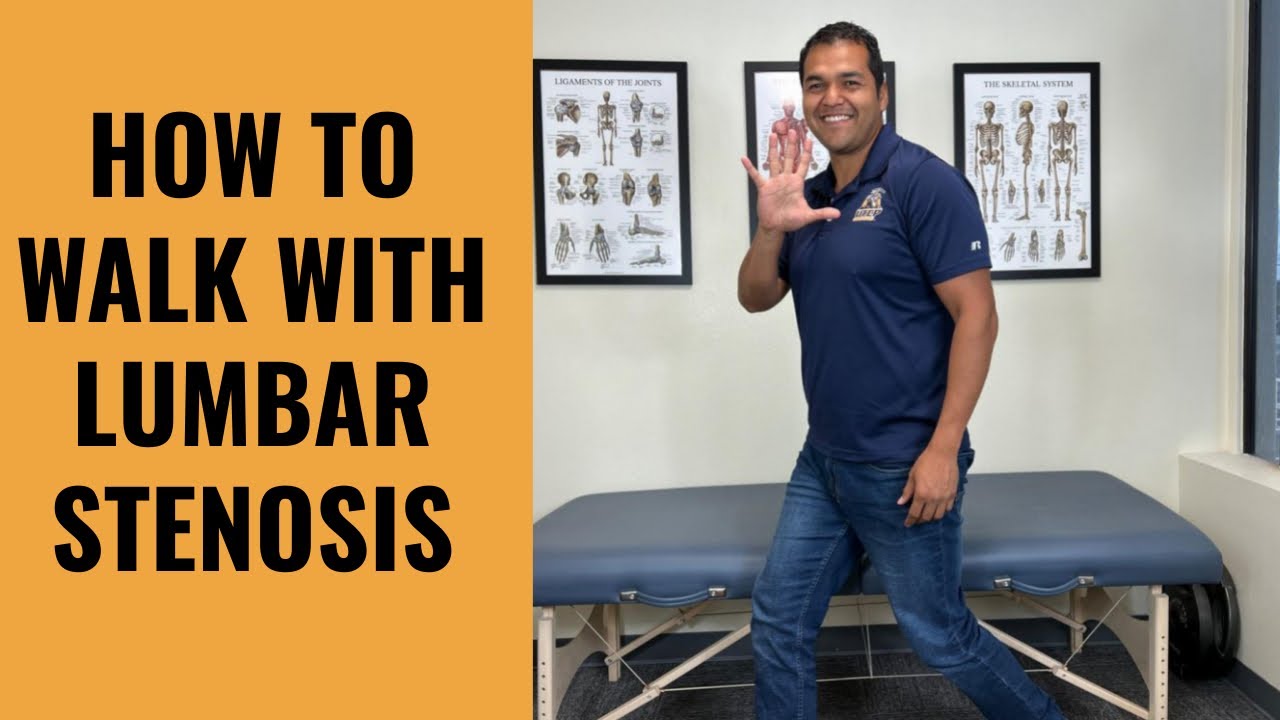
5 Ways To Walk Longer If You Suffer From Lumbar Spinal Stenosis
El Paso Manual Physical Therapy
Overview
This video provides five practical strategies to help individuals with lumbar spinal stenosis walk for longer periods with reduced discomfort. It emphasizes activating and strengthening core muscles, specifically the abdominals and glutes, to alleviate pressure on the spine. The techniques include priming these muscles before walking, using them correctly during gait, and performing specific strengthening exercises. A bonus tip suggests using a back brace as a supplementary aid. The core message is that consistent, proper muscle engagement during walking can address the root cause of stenosis symptoms and prevent progression.
How was this?
Save this permanently with flashcards, quizzes, and AI chat
Chapters
- Activate abdominal muscles before walking to reduce pressure on the lower back.
- To prime, gently draw in the abdomen without arching the back or sticking out the chest, aiming for 25-50% activation.
- Incorrectly engaging abs by sticking out the chest can compress the spine further, worsening stenosis symptoms.
- Perform this activation for 10 seconds, repeating 5-10 times, taking about a minute before activity.
Actively engaging your core muscles before walking provides immediate support to your spine, reducing the pain and discomfort associated with lumbar spinal stenosis.
Slightly slouching the upper body while drawing the lower abdomen in, holding for 10 seconds, and repeating five times.
- Gluteal muscles are crucial for stabilizing the base of the spine.
- Prime glutes by squeezing them gently (25-50% intensity) while maintaining abdominal engagement.
- Avoid arching the lower back when squeezing glutes; keep the chest slightly down.
- Hold glute squeezes for 10 seconds, repeating 5-10 times, and can be combined with abdominal priming.
Strong and engaged glutes provide a stable foundation for your spine, which is essential for pain-free walking and preventing the progression of stenosis.
Standing or sitting and squeezing the buttock muscles without arching the lower back, holding for 10 seconds, and repeating.
- Integrate primed abdominal and gluteal muscles into your walking stride.
- Maintain a slight abdominal engagement (25-50%) throughout the walk.
- Alternate glute activation with each step: the glute on the side of the planted foot should contract.
- This alternating pattern reduces pressure on the lower back and nerves, allowing for longer, more comfortable walks.
Applying these muscle engagement techniques while walking directly addresses the biomechanical issues causing stenosis pain, enabling you to walk further and more comfortably.
As you step onto your right foot, consciously tighten your right glute slightly while keeping your abs gently drawn in; then, as you step onto your left foot, tighten your left glute and relax the right.
- Distinguish between muscle coordination (like priming) and muscle strengthening.
- Strengthening involves exercises that fatigue the muscles, improving their capacity.
- Abdominal strengthening: Lie with knees bent, flatten the lower back against the surface, and hold a slight upper body lift (chin tucked) for 10 seconds, repeating 10-30 times.
- Glute strengthening: Lie with knees bent, flatten the lower back, and lift hips slightly off the surface, focusing on glute squeeze, hold for 10 seconds, repeat 10-30 times.
Building underlying strength in your core muscles is fundamental to long-term management of spinal stenosis, providing sustained support and reducing reliance on temporary activation techniques.
Performing a 'crunch' by flattening your low back to the floor and lifting your head and shoulders slightly, holding the contraction, especially focusing on lower abs.
- A back brace can offer additional spinal decompression and support during walking.
- It is a supplementary tool, not a replacement for core muscle engagement.
- Use the brace in conjunction with active abdominal and gluteal muscle activation.
- This tip is less consistently effective and may not suit everyone, especially those with severe nerve compression.
For some individuals, a back brace can provide temporary relief and increased walking duration, acting as an adjunct to the primary exercises and techniques.
Wearing a supportive back brace while walking, ensuring that core muscles are still actively engaged to maximize benefits.
Key takeaways
- Lumbar spinal stenosis symptoms can be managed by actively engaging and strengthening core muscles.
- Priming abdominal and gluteal muscles before walking reduces spinal load and alleviates pain.
- Consciously activating the glute on the same side as the planted foot during walking is key to spinal stability.
- Strengthening exercises for the abs and glutes build the foundation for long-term relief.
- Proper muscle engagement during walking addresses the root cause of stenosis, potentially preventing progression and the need for surgery.
- Coordination exercises (priming) and strengthening exercises are both vital for managing stenosis.
- A back brace can be a helpful addition but should not replace active muscle engagement.
Key terms
Lumbar Spinal StenosisAbdominal PrimingGluteal ActivationSpinal DecompressionCore StrengthMuscle CoordinationNerve CompressionGait Pattern
Test your understanding
- How does priming abdominal muscles help reduce pressure on the lower back during walking?
- What is the correct way to engage gluteal muscles while walking to support the spine?
- Why is it important to differentiate between abdominal strengthening and abdominal priming for spinal stenosis?
- How can consciously activating specific glute muscles with each step improve walking tolerance?
- What role does a back brace play as a supplementary tool for managing lumbar spinal stenosis?