EDCI 786 - Session 1A
CIMA COE
Overview
This session explores the foundational principles of language acquisition and their profound impact on learning to read, particularly for multilingual learners. It challenges the notion that reading is entirely natural, emphasizing instead that much of our capacity for literacy is built upon innate language acquisition processes. The session highlights the importance of leveraging a learner's home language and prior knowledge, using strategies like mind mapping to connect existing understanding with new concepts. It also touches upon the cognitive and neurological aspects of language processing and reading, advocating for instructional practices that acknowledge and build upon the rich linguistic assets multilingual students bring to the classroom.
Save this permanently with flashcards, quizzes, and AI chat
Chapters
- Language acquisition is a subconscious process of picking up language naturally through use in real communication.
- Language learning is a conscious effort involving understanding and applying formal grammar rules.
- The session's content is framed by the distinction between these two processes, encouraging reflection on how they apply to reading instruction.
- Literacy should be framed as situated within individual lives, using the learner's existing language.
- Learning to read involves recruiting existing knowledge and skills, much like natural language acquisition.
- Teachers should plan instruction by activating students' prior knowledge and experiences.
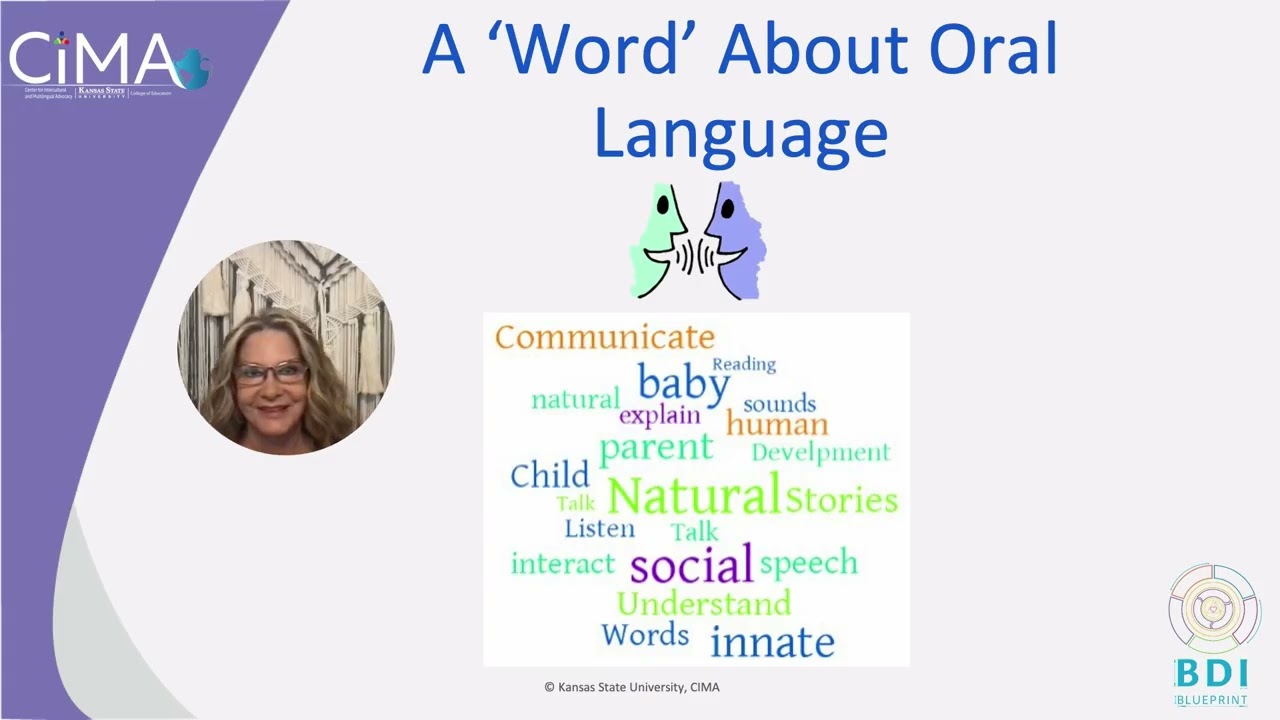
- Oral language development, beginning even before birth, is a crucial precursor to reading.
- Language acquisition is a cyclical process of development and refinement, driven by social interaction and hypothesis testing.
- Babies and young children acquire language by paying attention to vocal patterns, forming connections, and testing hypotheses based on their environment.
- Multilingual learners bring a wealth of linguistic knowledge and skills from their home languages that can be leveraged for English reading instruction.
- Teachers should intentionally invite these linguistic assets into the classroom, rather than leaving them outside.
- Strategies like modeling and expansion, used in natural language acquisition, can be powerful tools for multilingual learners.
- While brain structures enable language and reading functions, individual experiences and practice lead to diverse ways of using these structures.
- Learning new skills often involves leveraging existing abilities, similar to how multilingual learners draw on multiple languages when reading English.
- Models of reading should account for the experiential and functional differences that arise from linguistics and socialization, especially for multilingual students.
- The 'affirm' phase of a lesson involves acknowledging students' current understanding, refining misconceptions, and celebrating progress.
- Students can affirm their learning by sharing their work, such as mind maps, and responding to essential questions.
- This phase reinforces learning and validates the student's journey, building confidence and joy in literacy development.
Key takeaways
- Natural language acquisition, a subconscious process, provides a powerful foundation for learning to read.
- Literacy instruction should be personalized, activating students' prior knowledge and experiences.
- Oral language development begins early and is crucial for developing pre-literacy skills.
- Multilingual learners possess valuable linguistic assets that can and should be integrated into English reading instruction.
- Effective reading instruction acknowledges the complex interplay between brain structure, individual experience, and language background.
- Mind mapping is a versatile tool that can activate prior knowledge, organize thoughts, and scaffold learning for diverse learners.
- The 'affirm' phase of instruction is essential for acknowledging, refining, and celebrating student progress in literacy.
Key terms
Test your understanding
- What is the fundamental difference between language acquisition and language learning, and how does this distinction inform reading instruction?
- How can the strategy of mind mapping be used to activate prior knowledge and support multilingual learners in understanding new reading concepts?
- Why is oral language development considered a critical component of pre-literacy skills, and how does it relate to natural language acquisition?
- What are the implications of leveraging the linguistic assets of multilingual learners in the classroom, and how can teachers intentionally invite these assets in?
- How does understanding the relationship between brain structure, function, and individual experience influence our approach to teaching reading to diverse learners?