23:37
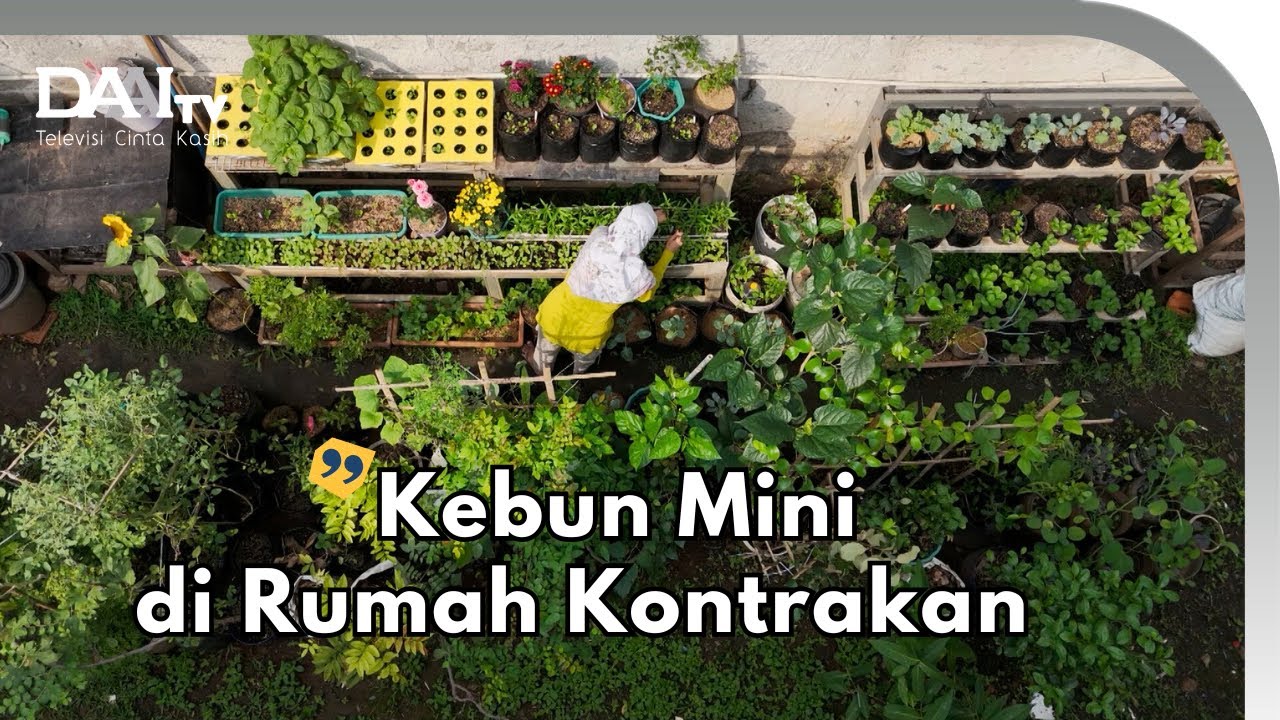
Kebun Mini di Rumah Kontrakan Cuma Pakai Rak Susun & Barang Bekas
Bumiku Satu
Overview
This video demonstrates how to create a thriving mini-garden at home, even in a rented house with limited space. The creator, Diana Sari, transforms small areas, including the sides of her rented house, into productive organic and hydroponic gardens. She emphasizes utilizing recycled materials like old bottles and shelves, and repurposing household waste for compost. The video showcases a variety of plants, from leafy greens and vegetables to fruits and herbs, all grown to meet daily needs and reduce grocery expenses. It also highlights the personal benefits of gardening, such as stress relief, increased appreciation for food, and fostering creativity.
How was this?
Save this permanently with flashcards, quizzes, and AI chat
Chapters
- It's possible to garden effectively even in small rented spaces.
- The creator utilizes available land, no matter how limited, for daily needs.
- Gardening can be a source of inspiration for others to grow their own food.
- The motto is 'plant what you eat and eat what you plant'.
This chapter sets the stage by showing that gardening is accessible to everyone, regardless of their living situation or the size of their property, encouraging a proactive approach to food sourcing.
The creator mentions always finding ways to garden in any rented house she moves into, even with limited space.
- The garden area was previously filled with trash like broken glass, old wood, and broken tiles.
- The space was cleaned and organized to create a gardening environment.
- The garden is approximately 2x6 meters, with the creator using only half of the permitted space.
- Both organic and hydroponic methods are used.
This illustrates the transformative power of gardening, showing how a seemingly unusable and dirty space can be revitalized into a productive and beautiful garden.
The creator describes clearing debris like broken glass, old wood, and tiles from the garden site before planting.
- The garden is organized using a zoning system.
- Leafy greens (spinach, kale, water spinach) and flowers are in the back.
- Perennial plants like kale and purple cabbage are grown in stacked pots.
- Fruits like strawberries, mulberries, raspberries, figs, tomatoes, and water apples are cultivated.
- Herbs and spices such as galangal, ginger, turmeric, and pandan leaves are grown in a dedicated zone.
Understanding zoning and crop selection helps maximize yield and variety in a small space, ensuring a diverse supply of fresh produce and herbs.
Leafy greens like spinach and water spinach are planted in the back area, while strawberries and various fruits are grown in a separate section.
- Recycled materials are extensively used for planting and gardening infrastructure.
- Old gallons and mineral water bottles are repurposed as planters and biopori systems.
- The biopori system uses dry leaves and kitchen waste as a food source for plants and soil enrichment.
- Stacked pots are used to grow plants vertically, saving space.
This demonstrates resourcefulness and sustainability by showing how common household waste can be ingeniously repurposed to create functional and eco-friendly gardening solutions.
Old gallons are used as planters for purple cabbage, and mineral water bottles are incorporated into the soil as biopori for waste decomposition and nutrient release.
- Gardening provides a 'living refrigerator,' allowing fresh produce to be picked on demand.
- It significantly reduces grocery expenses, especially for vegetables.
- Gardening promotes physical and mental well-being, acting as a form of healing and stress relief.
- It fosters a deeper appreciation for food and a sense of responsibility towards nature.
This chapter emphasizes the tangible benefits of gardening, highlighting its role in improving health, saving money, and enhancing one's connection to food and nature.
The creator mentions that after harvesting vegetables, she only needs to buy ingredients like chili and onions from the market, saving money.
- The creator practices organic gardening, focusing on natural methods.
- Compost is made from kitchen scraps and garden waste, combined with animal manure.
- Pruning waste is placed into biopori systems for decomposition.
- Soil amendments like humic acid, trichoderma, eggshell powder, and dolomite are used to improve soil health and prevent root rot.
Understanding organic practices and soil enrichment is crucial for sustainable gardening, ensuring healthy plant growth without harmful chemicals and improving the long-term fertility of the soil.
Compost is created by mixing kitchen waste, garden trimmings, and animal manure.
- Gardening teaches patience through the process from seedling to harvest.
- It serves as a therapeutic activity, promoting physical and mental health.
- It cultivates creativity in garden design and arrangement.
- The creator encourages viewers to start gardening, no matter how small their space, to meet their needs and beautify their surroundings.
This chapter distills the core lessons from the gardening experience, emphasizing personal growth, well-being, and creativity, while offering a final call to action for aspiring gardeners.
The creator reflects on the patience required to nurture a plant from a seed to harvest.
Key takeaways
- Limited space, such as in a rented house, does not prevent successful home gardening.
- Repurposing household waste and recycled materials can create effective and sustainable gardening solutions.
- A zoned approach to planting maximizes variety and yield in small garden areas.
- Home gardening provides significant economic benefits by reducing reliance on purchased produce.
- Gardening offers substantial mental and physical health benefits, acting as a stress reliever and promoting well-being.
- Organic gardening practices, including composting and natural soil amendments, are key to healthy plant growth.
- The act of gardening fosters patience, creativity, and a deeper appreciation for food and nature.
Key terms
Organic gardeningHydroponicsZoning (garden layout)Stacked potsRecycled materialsBioporiCompostSoil enrichmentHumic acidTrichoderma
Test your understanding
- How can one effectively utilize a small rented space for gardening?
- What are some examples of recycled materials that can be repurposed for gardening?
- Why is zoning important in a small garden, and how can it be implemented?
- What are the primary economic and health benefits of growing your own food?
- Describe the process of making organic compost and its role in sustainable gardening.