1:09:39
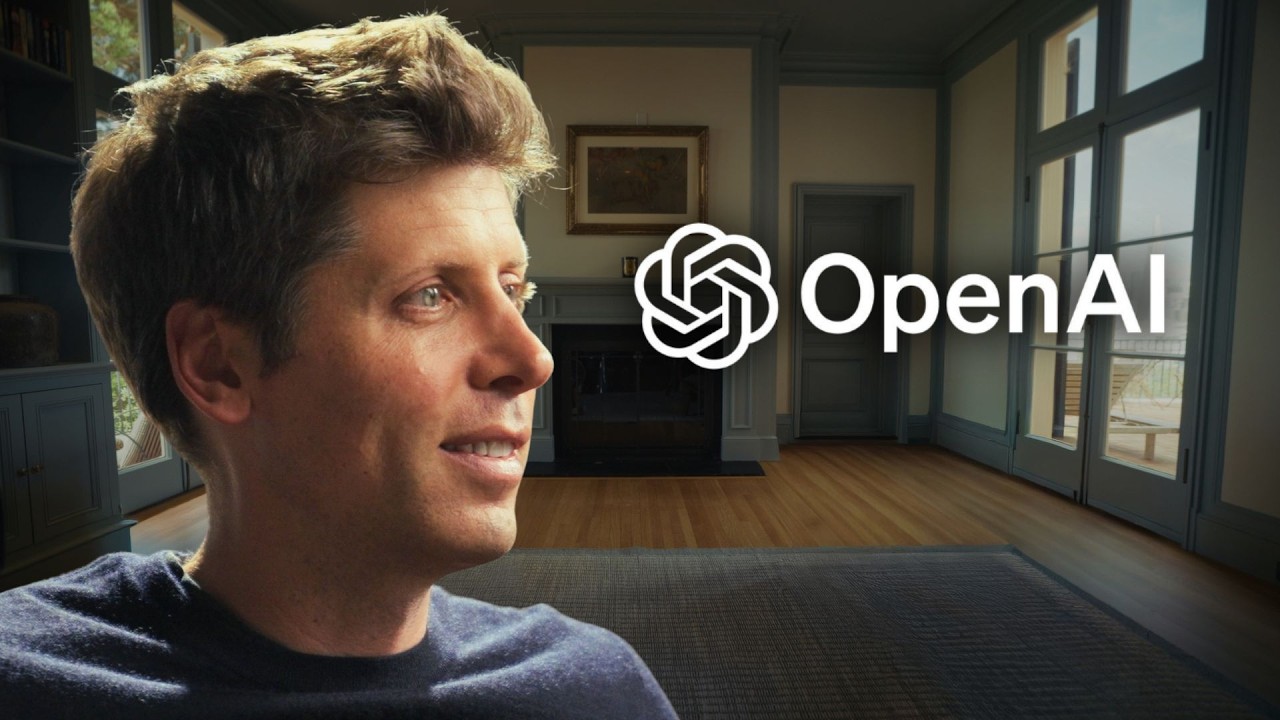
Sam Altman - How to Start a Startup
Relentless
Overview
Sam Altman discusses the dramatic shifts in startup creation due to AI, emphasizing the accelerated pace and new possibilities for small teams. He highlights the importance of embracing exponential growth, operating in chaos, and maintaining a clear mission. The conversation delves into the evolution of capitalism, the role of incentives, and the future of AI, touching on themes of decentralization versus authoritarianism. Altman also shares insights on personal growth, decision-making, and the critical path to achieving ambitious goals, particularly in the context of building OpenAI and its mission to ensure AI benefits humanity broadly.
How was this?
Save this permanently with flashcards, quizzes, and AI chat
Chapters
- AI has fundamentally changed what's possible for startups, enabling small teams to achieve in weeks what previously took years.
- The speed of development and competitiveness have drastically increased, making current startups far more advanced than those from a decade ago.
- Startups have a significant advantage when the technological landscape is rapidly shifting and costs are decreasing.
- While many startups focus on applying current AI to existing problems, the most defining companies will likely tackle entirely new, ambitious challenges with emerging AI capabilities.
Understanding how AI has lowered barriers and accelerated progress is crucial for aspiring entrepreneurs to identify opportunities and build competitive ventures.
A two-week-old startup creating an office productivity suite designed for an AI-first world, which would have taken a year of work previously.
- Develop a deep trust in exponential growth, whether in people, companies, or AI models.
- Operating effectively in chaotic environments requires practice and emotional resilience, learning to trust that solutions will emerge.
- Experiencing and overcoming company-killing events builds resilience; what feels catastrophic initially becomes manageable with repeated exposure.
- Finding value and gratitude in difficult or 'bad' experiences is essential, as they contribute to a richer, more interesting life than a life without challenges.
This chapter provides a framework for navigating the inherent uncertainty and rapid change in the startup world, fostering a mindset that thrives on challenges.
Comparing the emotional reaction of new founders to problems versus those with several years of experience, highlighting the learned ability to handle setbacks.
- A clear mission and deep understanding of the problem are key drivers for strategic decision-making.
- The mission at OpenAI is to massively empower people and decentralize power, countering the risk of AI authoritarianism.
- To achieve this, OpenAI aims to make AI abundant, cheap, and powerful, accessible to everyone.
- This mission necessitates addressing infrastructure challenges like chips, energy, and data centers, which are also crucial for a world of abundant intelligence.
Understanding the guiding mission behind a company's strategy helps learners grasp the rationale behind complex decisions and the long-term vision.
OpenAI's focus on producing 'units of intelligence' to imbue every product and service, rather than building every vertical application itself.
- Companies are powerful vehicles for aligning incentives among large groups of people.
- The invention of the joint-stock corporation was a pivotal innovation, enabling capital accumulation and speculative development beyond family businesses.
- Capitalism, facilitated by corporations, has driven unprecedented economic growth and improvements in quality of life.
- While some CEOs may be self-serving, the best ones align their incentives with societal benefit through product creation and market success.
This section explains the foundational role of corporate structures and incentive alignment in driving innovation and economic progress.
The historical impact of the joint-stock corporation, allowing for the amassing of capital and development of technologies that were previously impossible.
- The current critical fight is between a future of AI liberty and one of AI authoritarianism.
- The choice is between a single 'machine god' model or empowering individuals with AI, even if it's messier.
- Humanity has historically suffered when trading liberty for safety, emphasizing the importance of widespread access to AI.
- Major AI alignment, safety, and economic issues (like the future of jobs) still need to be solved.
This highlights the profound societal choices being made now regarding AI development and deployment, with significant implications for freedom and prosperity.
The debate over whether a few entities should control AI versus distributing its power broadly to society.
- Focus on a small number of strongly held convictions about the future and plan forward from the current state.
- Avoid rigid worldviews; be flexible on non-core beliefs while staying true to fundamental principles.
- Identify and focus on the critical path – the key drivers of the biggest roadblocks – and address them sequentially.
- The singular goal of abundant, decentralized intelligence has guided OpenAI's critical path, with a recent shift to considering what comes after superintelligence.
This provides practical strategies for effective long-term planning and execution in a rapidly changing environment.
OpenAI's decision to shut down promising projects like robotics and Sora to focus compute and resources on areas like coding agents that showed stronger traction.
- Embracing 'marginal situations' – inconvenient but potentially high-impact actions – can lead to significant breakthroughs.
- Asking for what you want, even if it seems audacious, is crucial because sometimes you will get it, leading to amazing outcomes.
- Effective communication with suppliers and partners involves sharing the vision and demonstrating the potential impact, not just stating requirements.
- Learning to build and scale companies involves understanding complex supply chains and aligning diverse teams towards a common mission.
This chapter emphasizes proactive engagement and bold requests as key drivers for achieving ambitious goals.
Sam Altman's decision to undertake a 35-day, 28-country world tour to meet with leaders shortly after GPT-4's launch, despite personal inconvenience.
- Ambition is often suppressed by societal norms and early life experiences ('tall poppy syndrome').
- Building self-belief is best achieved through small, repeated wins that demonstrate capability.
- Big companies can become sclerotic, creating 'business miracles' where startups unexpectedly gain ground.
- Understanding and leveraging the power of incentives, both internal and external, is critical for company growth and success.
This section addresses the psychological barriers to ambition and provides actionable advice for fostering self-belief and driving innovation.
The contrast between the catastrophically low ambition levels of average corporate employees and the potential for founders who have never had to be self-directed.
- OpenAI has evolved from a research lab to a product company and is now transitioning into a massive infrastructure company.
- The transition from research to product management was a significant shift, requiring new skills and a different mindset.
- The company has experienced multiple waves of exponential growth, driven by form factors like chatbots and coding agents, with persistent agents expected next.
- The next phase of OpenAI's business is exciting and involves aligning Sam Altman's strengths with the company's future growth, though specifics are not yet public.
Understanding the strategic evolution of a leading AI company provides context for its current trajectory and future potential.
The rapid growth following ChatGPT's launch, which signaled the shift from a research-focused entity to a rapidly scaling company.
- Despite increased productivity, the promise of a shorter work week has not materialized at scale; people remain busy and driven by rising expectations.
- Future value creation may shift from direct economic output to intrinsically human activities like cooking, showing love, and shared experiences.
- Betting against evolutionary biology (e.g., love of adventure, quests, connection) is generally a poor strategy for long-term impact.
- The most enduring works and human values are often the most primal and deeply ingrained.
This chapter prompts reflection on how AI might reshape our understanding of work, value, and what it means to be human.
The enduring importance of cooking for people, even after robots can perform the task, because it signifies love and connection.
Key takeaways
- AI is rapidly transforming the startup landscape, creating unprecedented opportunities for speed and innovation.
- Cultivating a mindset that embraces exponential growth and thrives in chaos is essential for success.
- A clear, mission-driven approach, focused on decentralization and broad empowerment, guides strategic decisions.
- The structure of corporations and the alignment of incentives are fundamental drivers of economic progress and technological advancement.
- The future of AI hinges on critical choices between liberty and authoritarianism, with widespread access being paramount.
- Effective execution requires identifying and relentlessly focusing on the critical path, even if it means abandoning other promising initiatives.
- Boldness in asking for what you want and embracing inconvenient but impactful actions can unlock extraordinary results.
- Fostering ambition through small wins and understanding the power of incentives are key to personal and organizational growth.
- The future of work may see a shift towards intrinsically human activities as AI handles more traditional tasks.
- Enduring human values and desires, rooted in our biology, will likely remain central even in an AI-dominated future.
Key terms
AI AgentsExponential GrowthStartup EcosystemCompetitive LandscapeChaos ManagementMission-DrivenDecentralizationAI AuthoritarianismIncentive AlignmentJoint-Stock CorporationCritical PathSuperintelligenceSupply ChainTall Poppy SyndromeValue Creation
Test your understanding
- How has the advent of AI fundamentally altered the landscape for new startups compared to a decade ago?
- What strategies can founders employ to effectively operate and thrive in the chaotic and rapidly evolving AI environment?
- Explain the core mission of OpenAI and how it influences their strategic decisions regarding AI development and deployment.
- What role do corporations and incentive structures play in driving innovation and economic growth, according to the discussion?
- What are the primary societal implications of the current debate between AI liberty and AI authoritarianism?
- How does Sam Altman define and approach the concept of 'critical path' in both business strategy and personal decision-making?
- Describe the 'marginal situation' heuristic and provide an example of how it has been applied effectively.
- What are the key challenges and opportunities in building ambition, both within oneself and within an organization?
- How is OpenAI evolving, and what are the potential future phases of its business and impact?
- Considering the rise of AI, what enduring human values and activities are likely to remain significant in the future?