1:21:28
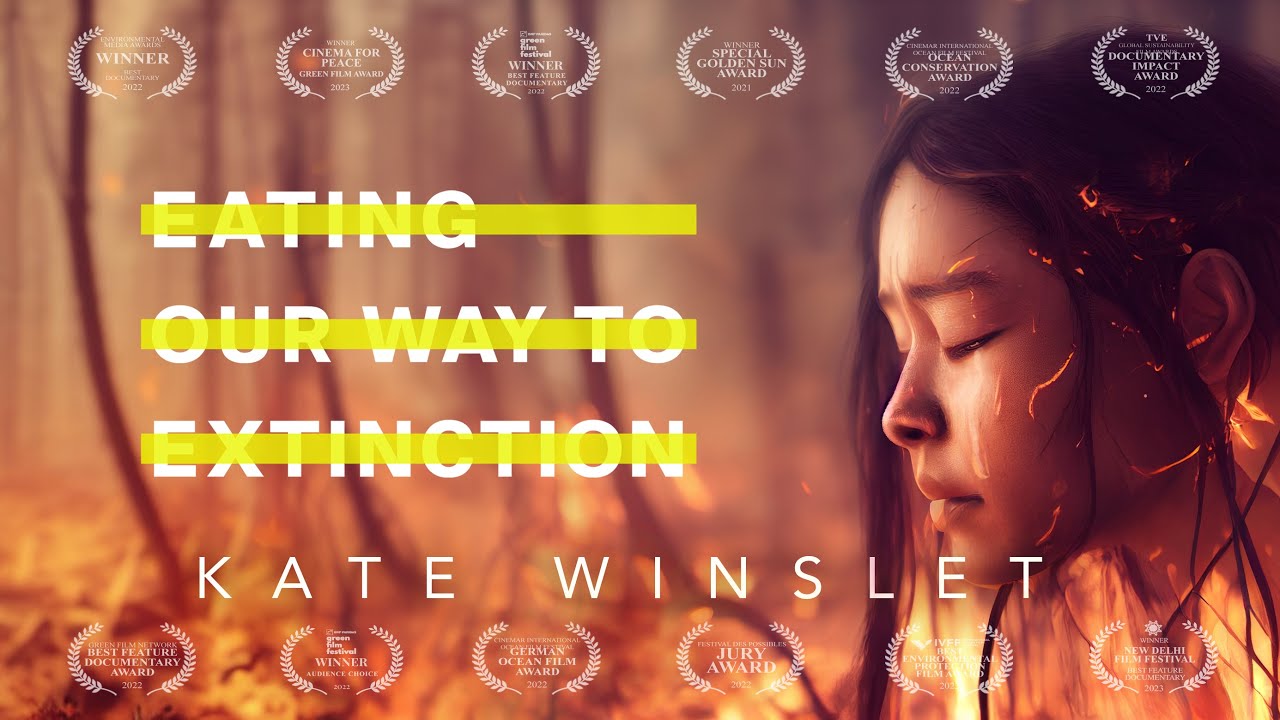
Eating Our Way to Extinction | Film (ENGLISH) - Documentary
EATING OUR WAY TO EXTINCTION
Overview
This documentary explores the profound and often overlooked environmental impact of animal agriculture, arguing it's a primary driver of ecological collapse. It details how livestock production contributes significantly to deforestation, greenhouse gas emissions, water pollution, species extinction, and the depletion of natural resources. The film contrasts this with the benefits of plant-based diets, highlighting their potential to mitigate climate change, conserve resources, and improve human health, urging viewers to consider their dietary choices as a critical step towards planetary survival.
How was this?
Save this permanently with flashcards, quizzes, and AI chat
Chapters
- Humanity is facing an ecological crisis with increasing weather-related disasters.
- Animal agriculture is identified as a primary, yet often ignored, cause of environmental destruction.
- This industry is linked to climate change, species loss, water pollution, and resource depletion.
Understanding the root causes of environmental damage is crucial for effective problem-solving and for recognizing the scale of the challenge we face.
The film highlights that animal agriculture is a top cause for issues ranging from species loss to climate change, often referred to as the 'elephant in the room'.
- Vast areas of forest, including the Amazon, are cleared for cattle ranching and to grow feed crops like soy and maize.
- This destruction eliminates vital carbon sinks and habitats for countless species.
- Indigenous communities are displaced and their lands destroyed to make way for agribusiness.
Forests are critical for regulating the planet's atmosphere and biodiversity; their destruction has cascading negative effects on the global ecosystem.
The Amazon rainforest, a vital global ecosystem, is being cleared to make way for pastures and soy cultivation for animal feed, leading to the displacement and harm of indigenous tribes.
- Animal agriculture is the largest consumer of fresh water globally, primarily for growing animal feed.
- Runoff from fertilizers used in feed production pollutes rivers and oceans, creating 'dead zones' that kill marine life.
- The demand for water for livestock production exacerbates global water scarcity, impacting human access to clean water.
Water is a finite resource essential for all life; its unsustainable use and pollution by animal agriculture threaten both ecosystems and human survival.
Producing a single Quarter Pounder burger requires approximately 660 gallons of fresh water, equivalent to two months of showering.
- Livestock farming is a major source of potent greenhouse gases like methane and nitrous oxide, contributing more to global warming than all transportation combined.
- The top global livestock corporations emit more greenhouse gases than major oil companies.
- Reducing meat consumption is presented as one of the most effective ways to slow global warming.
The significant greenhouse gas emissions from animal agriculture directly accelerate climate change, necessitating urgent action to mitigate its effects.
Methane, produced by cows, is 25 times more potent per molecule than CO2, and nitrous oxide is nearly 300 times more potent, making livestock a critical factor in warming.
- Animal agriculture is the leading cause of biodiversity loss and the current mass extinction event.
- Habitat destruction, pollution, and resource competition driven by livestock farming decimate wildlife populations on land and in the oceans.
- Over 60% of animal populations on the planet have been wiped out since 1970.
The ongoing extinction crisis threatens the stability of ecosystems and the planet's ability to support life, including human life.
Livestock farming is identified as the primary driver for the current mass extinction event, with over 26,000 species threatened.
- Fishing practices, including those for aquaculture feed, are depleting fish stocks and damaging marine ecosystems.
- Oceans are becoming polluted with plastic, much of which originates from discarded fishing gear.
- Fish consumption can lead to the ingestion of toxins, heavy metals, and microplastics.
The health of our oceans is intrinsically linked to human survival, as they regulate climate and produce oxygen; their degradation poses a severe threat.
Discarded fishing nets and lines constitute about 80% of the plastic found in the Great Pacific Garbage Patch, highlighting the impact of the fishing industry on ocean pollution.
- Intensive animal farming creates conditions ripe for zoonotic disease transmission, increasing the risk of pandemics.
- Over 75% of antibiotics produced globally are given to livestock, contributing to the rise of antibiotic-resistant bacteria.
- Diseases linked to meat and dairy consumption incur massive healthcare costs.
The practices within animal agriculture pose direct threats to human health, from the risk of future pandemics to the growing crisis of untreatable infections.
The overuse of antibiotics in livestock is rendering them ineffective for human medicine, potentially ushering in a post-antibiotic era where simple infections could be fatal.
- Shifting to a plant-based diet significantly reduces an individual's environmental footprint.
- Plant-based diets are linked to improved health outcomes, including lower risks of heart disease, diabetes, and cancer.
- The availability and quality of plant-based food options have dramatically increased, making the transition more accessible.
- Diets rich in fruits, vegetables, and legumes are common among populations with exceptional longevity (Blue Zones).
Adopting a plant-based diet offers a powerful individual and collective solution to environmental degradation and personal health challenges.
Populations in 'Blue Zones' worldwide, known for their longevity, share a common dietary pattern: predominantly plant-based, rich in fruits, vegetables, whole grains, beans, and legumes.
Key takeaways
- Animal agriculture is a primary driver of global environmental crises, including climate change, deforestation, and biodiversity loss.
- The production of meat and dairy requires vast amounts of land and water, contributing significantly to resource depletion and pollution.
- Greenhouse gas emissions from livestock are a major factor in accelerating climate change.
- The fishing industry, including aquaculture, severely impacts ocean health, leading to depleted fish stocks and widespread pollution.
- Intensive farming practices increase the risk of pandemics and contribute to the critical problem of antibiotic resistance.
- Switching to a plant-based diet is one of the most impactful individual actions to reduce environmental impact and improve personal health.
- Plant-based diets are associated with increased longevity and reduced risk of chronic diseases.
- Government subsidies often favor animal agriculture over more sustainable plant-based food systems, despite the latter's environmental and health benefits.
Key terms
Animal AgricultureDeforestationGreenhouse Gas EmissionsMethaneNitrous OxideBiodiversity LossOcean Dead ZonesAquacultureMicroplasticsAntibiotic ResistanceZoonotic DiseasesPlant-Based DietBlue ZonesEcological Collapse
Test your understanding
- How does animal agriculture contribute to deforestation and what are the consequences?
- Explain the link between animal agriculture, water usage, and ocean pollution.
- What are the primary greenhouse gases emitted by livestock, and why are they significant for climate change?
- What health risks are associated with intensive animal farming, beyond direct consumption?
- How can a shift towards plant-based diets benefit both individual health and the environment?