31:18
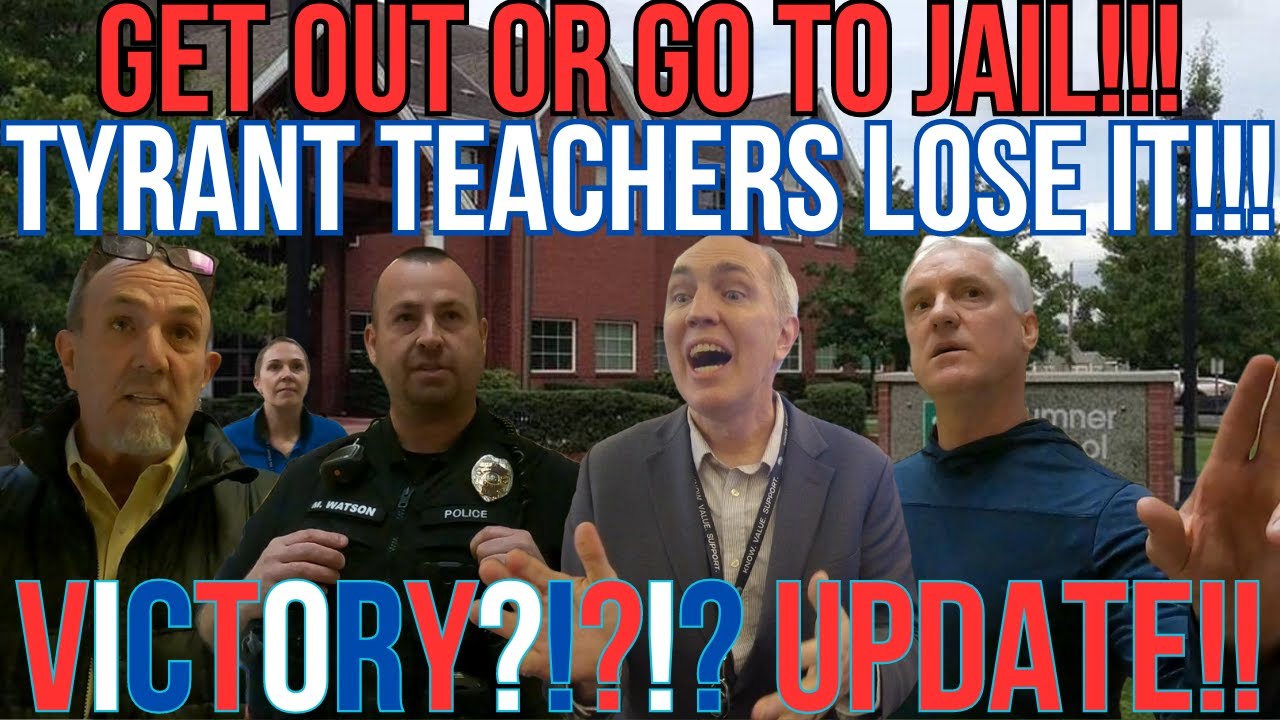
GET OUT OR GO TO JAIL!!! TYRANT TEACHERS LOSE IT!!! - VICTORY?!?!? UPDATE!!
I.A.M. Free - Inland Auditing Media
Overview
This video documents a citizen journalist's return to the Sumner-Bonney Lake School District to address grievances and highlight alleged violations of public liberties. The journalist, along with collaborator "Mr. Veteran," focuses on the actions of the district's Director of Safety and Security, Brian Sheerer, and Officer Matt Watson of the Sumner Police Department. Key issues include alleged unlawful trespass, attempts to conceal identities, and the district's perceived resistance to transparency and constitutional adherence, particularly concerning public records requests and public comment periods.
How was this?
Save this permanently with flashcards, quizzes, and AI chat
Chapters
- The journalist returns to the school district to seek redress for grievances and ensure public complaints are heard.
- The visit is framed as a continuation of activism against perceived violations of public liberties by the district and city.
- Concerns are raised about potential retaliation, such as being followed or having license plates run by district or city employees.
- The journalist emphasizes the importance of supporting citizen journalism and activism in holding public servants accountable.
This chapter sets the stage for the day's events, highlighting the ongoing conflict between citizen watchdogs and the school district's administration.
The journalist and 'Mr. Veteran' discuss the concern that a district employee might have followed 'Mr. Veteran' to his car and potentially run his license plate, which they believe is an unlawful use of police resources.
- New procedures at the school district entrance require visitors to sign in at a specific table, a change attributed to a journalist's previous visit.
- A 'ring doorbell' system is in place, requiring visitors to potentially show ID before entering, which is seen as an infringement on public access.
- The journalist questions the legality and necessity of these measures, viewing them as barriers to transparency.
- The district staff are reluctant to provide information or comments, often deferring to a communications director or stating they are not allowed to speak without permission.
These new protocols illustrate the district's response to public scrutiny, raising questions about whether they are enhancing security or creating obstacles for public engagement and transparency.
The implementation of a sign-in station and a 'ring doorbell' system at the entrance, which the journalist argues restricts access and is a response to previous journalistic inquiries.
- Director of Safety and Security, Brian Sheerer, is accused of being an 'abusive bully' who 'weaponizes police'.
- Body camera footage from Officer Matt Watson allegedly captures Sheerer making derogatory remarks and expressing suspicion towards the journalist, questioning if they are 'with antifa'.
- Sheerer's past social media posts are cited, suggesting a long-standing pattern of negative behavior and a disregard for others.
- The journalist claims Sheerer unlawfully trespassed them on a previous visit, an action the district later denied, which is seen as an attempt to avoid liability.
This chapter delves into specific accusations against a key district official, providing evidence and context for the journalist's claims of rights violations and abuse of power.
Body camera footage allegedly shows Director Sheerer on the job, questioning the journalist's presence and making remarks like, 'Is this with antifa? What the hell are you doing here?'
- During the public comment period, journalists and 'Mr. Veteran' attempt to raise issues of alleged rights violations and district misconduct.
- Board rules restrict comments on specific topics like employee complaints or dismissals, which the journalist argues hinders their ability to address grievances.
- District officials, including the superintendent and board members, appear hesitant or unaware of the body camera footage presented.
- The district's communication director is repeatedly cited as the point person for information, while staff present at the meeting refuse to comment.
The public comment section reveals the formal channels for citizen input and highlights the district's apparent strategy of deflection and non-engagement when confronted with critical feedback.
When asked about the alleged unlawful trespass and the contradictory district statement, officials refuse to comment, deferring to the communications director or citing procedural limitations on public comment topics.
- The journalist confronts Director Sheerer directly, accusing him of violating board policy and acting poorly.
- Officer Watson is also confronted about his alleged role in the trespass and subsequent denial.
- The journalist highlights the district's failure to follow its own policies, particularly regarding transparency and handling of complaints.
- The journalist and 'Mr. Veteran' express satisfaction with their efforts, framing their return and presentation of evidence as a 'victory' despite the district's non-responsiveness.
This chapter details the direct confrontations and the journalist's interpretation of the events as a successful assertion of rights, despite the lack of immediate resolution from the district.
The journalist directly asks Director Sheerer why he acted poorly and violated board policy, to which Sheerer offers no comment, reinforcing the journalist's claims of his uncooperative behavior.
Key takeaways
- Citizen journalists play a crucial role in holding public institutions accountable by documenting events and requesting public records.
- School districts and local governments may implement security measures that inadvertently or intentionally hinder public access and transparency.
- Allegations of abuse of power and unlawful actions by public officials require persistent documentation and public scrutiny.
- Understanding and invoking constitutional rights, such as the First Amendment (freedom of speech and press) and Fourth Amendment (unlawful search/seizure), is vital when interacting with authorities.
- Public officials' reluctance to comment or provide information can be a tactic to avoid accountability, making public records requests and direct confrontation necessary.
- The effectiveness of public comment periods can be limited by restrictive rules, requiring alternative methods for raising concerns.
- Even when direct responses are not given, documenting and publishing evidence of alleged misconduct serves as a form of accountability.
Key terms
Citizen journalismPublic records requestUnlawful trespassBody camera footageFirst AmendmentFourth AmendmentTransparencyBoard policySchool resource officerDue process
Test your understanding
- What specific actions by the Sumner-Bonney Lake School District and its officials are alleged to have violated public liberties?
- How does the video illustrate the challenges citizen journalists face when seeking transparency from public institutions?
- Why is body camera footage considered crucial evidence in the context of these allegations?
- What are the potential implications of a school district implementing stricter sign-in procedures and surveillance at its entrances?
- How do the journalists attempt to use public comment periods to hold officials accountable, and what limitations do they encounter?