17:13
Every UK Supermarket Bread Ranked — Only One Is Actually Real Bread
Food Reality UK
Overview
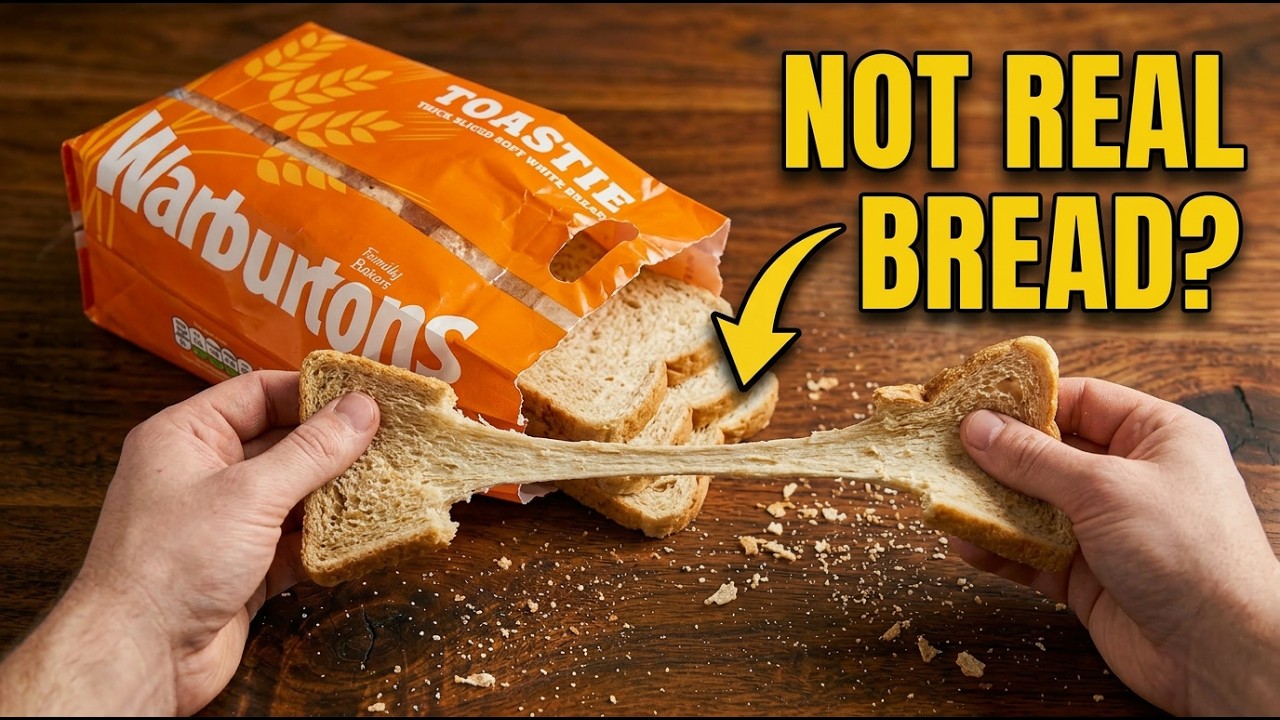
This video exposes the widespread use of the Chorleywood Bread Process (CBP) in UK supermarkets, a method developed in 1961 that prioritizes speed and cost over traditional bread-making. The presenter ranks eight popular supermarket breads made using CBP, detailing their hidden ingredients like emulsifiers, palm oil, and processing aids, and explaining how these shortcuts compromise flavor, texture, and nutritional value. The video also debunks the marketing of 'sourdough' products that use preservatives disguised as fermented ingredients. Finally, it highlights three brands that still adhere to traditional, slow fermentation methods, offering genuinely real bread.
How was this?
Save this permanently with flashcards, quizzes, and AI chat
Chapters
- Traditional bread is made with flour, water, salt, yeast, and time, involving slow fermentation for flavor and nutrition.
- The Chorleywood Bread Process (CBP), invented in 1961, uses high-speed mixing, chemical additives, and extra water to drastically reduce production time to 3.5 hours.
- This industrial process, adopted by 80% of UK bread production, sacrifices natural fermentation, flavor, texture, and nutritional benefits.
- Many supermarket breads contain emulsifiers, palm oil (for lubrication in fast mixing), preservatives, and hidden processing aids like enzymes.
Understanding the CBP is crucial because it explains why most supermarket bread is fundamentally different from traditional bread and why seemingly healthy options might be misleading.
Real bread takes 18-24 hours to ferment, while CBP bread is made in just 3.5 hours.
- Brands like Roberts, Asda, Tesco, Allinson's, Hovis, Kingsmill, and Warburtons use the CBP, often employing marketing to mask industrial shortcuts.
- Hidden ingredients like processing aids (enzymes) are not listed on labels but modify dough structure and appearance.
- Added water, held in by emulsifiers, significantly increases loaf weight, meaning consumers pay bread prices for water.
- Wholemeal CBP bread can be more processed than white CBP bread due to the need for extra additives to compensate for bran interfering with gluten development.
- Marketing terms like 'tasty' or '50/50' often disguise the use of added sugar, flavorings, and emulsifiers rather than genuine quality improvements.
This section equips you to identify common deceptive practices and ingredients in everyday supermarket bread, allowing you to make more informed purchasing decisions.
Tesco's white bread collapses when toasted because its structure relies on air and water held by emulsifiers, unlike real bread's gluten networks built over time.
- Some 'sourdough' products, like Aldi's Specially Selected White Sourdough, use 'fermented wheat flour' not as a traditional starter, but as a source of propionic acid.
- Propionic acid acts as a mold inhibitor, extending shelf life, and is technically legal as it's derived from fermentation, not classified as artificial.
- This practice is marketing misdirection, using a natural-sounding ingredient to achieve the preservative function of artificial additives.
- Products claiming 'no artificial preservatives' can still contain these hidden preservatives, making the claims technically true but misleading.
This highlights how even terms associated with traditional, healthy food like 'sourdough' can be co-opted by industrial processes for marketing advantage, requiring careful label scrutiny.
Aldi's 'sourdough' uses fermented wheat flour to produce propionic acid, a preservative, rather than a traditional sourdough starter for leavening and flavor.
- Genuine bread is still available, made with simple ingredients (flour, water, salt, starter/yeast) and slow fermentation.
- Jason's Sourdough offers an accessible real bread option found in major supermarkets, though label checking is advised.
- Waitrose No. 1 Sourdough meets the Real Bread Campaign standards, using a long-established leaven starter and minimal ingredients.
- M&S Collection 35-hour Sourdough is presented as the pinnacle of accessible real bread, made with a heritage starter over 35 hours using traditional methods.
This section provides actionable recommendations for finding high-quality, traditionally made bread, demonstrating that authentic options exist beyond specialty bakeries.
M&S Collection 35-hour Sourdough is made by hand-folding dough, using a heritage starter, and baked in specialized ovens, taking over 35 hours from start to finish.
Key takeaways
- The Chorleywood Bread Process (CBP) dominates supermarket bread production, prioritizing speed and cost over traditional methods.
- Many supermarket breads contain hidden ingredients like emulsifiers, preservatives, and processing aids that compromise quality and nutrition.
- Consumers often pay for added water in loaves made using the CBP.
- Marketing terms like 'sourdough' or 'wholemeal' can be used deceptively to mask industrial production methods.
- Traditional bread relies on slow fermentation for flavor, texture, and digestibility, which CBP bypasses.
- Always check ingredient lists; bread with more than five ingredients is likely an industrial product, not real bread.
- Authentic bread options, though often more expensive, are available from brands committed to traditional, slow fermentation processes.
Key terms
Chorleywood Bread Process (CBP)Real BreadFermentationEmulsifiersProcessing AidsEnzymes (Transglutaminase, Amylase, Lipase)Palm OilPropionic AcidSourdough StarterPhytic Acid
Test your understanding
- What is the primary difference between traditional bread-making and the Chorleywood Bread Process?
- How do emulsifiers and added water affect the cost and quality of supermarket bread?
- Why are some 'sourdough' breads considered deceptive, even if they contain 'fermented wheat flour'?
- What are the key indicators on an ingredient list that suggest a bread is made using the Chorleywood Bread Process?
- How does slow fermentation contribute to the quality and nutritional value of bread compared to rapid industrial methods?