3:09
VELUX『the Indoor Generation』
Dose of Good Ads
Overview
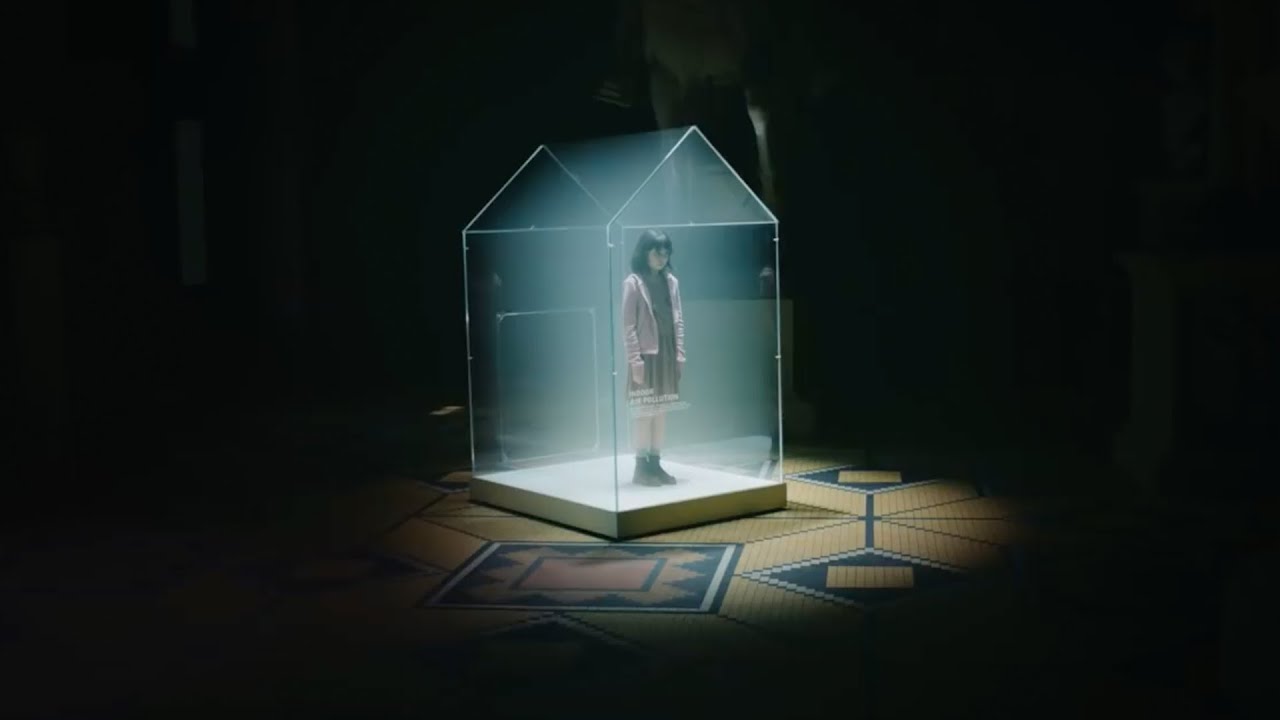
This video highlights the concept of the 'Indoor Generation,' a demographic that spends approximately 90% of its life inside. It explains how modern living, with artificial lighting and sealed homes, leads to poor indoor air quality and a lack of natural light. This environment negatively impacts health, causing issues like sleep disturbances, respiratory problems, allergies, sadness, and even affecting children's development and learning. The video urges viewers to recognize these issues and make conscious changes to bring natural light and fresh air back into their lives for the well-being of future generations.
How was this?
Save this permanently with flashcards, quizzes, and AI chat
Chapters
- Modern life has led to a generation spending 90% of their time indoors.
- Homes are designed to be sealed, trapping indoor pollutants.
- Artificial light replaces natural daylight, and indoor activities continuously release pollutants.
Understanding our indoor habits is the first step to recognizing the health consequences of living in sealed, artificially lit environments.
Cooking, showering, breathing, playing, sweeping, and sweating all contribute to the buildup of indoor air pollutants.
- Indoor air can be up to five times more polluted than outdoor air.
- Lack of daylight negatively affects children's learning and can increase adult blood pressure.
- Damp and moldy homes significantly increase the risk of asthma.
- Poor indoor environments contribute to widespread issues like asthma and allergies.
Recognizing the specific health risks associated with indoor living empowers individuals to seek solutions and advocate for healthier living spaces.
Children's rooms often contain the highest concentration of indoor toxicants, and living in damp, moldy homes increases asthma risk by 40%.
- The current situation is not irreversible; change is possible.
- Making conscious choices to bring natural light and fresh air indoors is crucial.
- Even small changes can have a significant positive impact on current and future generations.
This chapter emphasizes that individual actions and a shift in mindset are essential to combat the negative health effects of modern indoor living.
The video suggests learning more at the 'indoorgeneration.com' to understand how to implement these changes.
Key takeaways
- Modern lifestyles have created an 'Indoor Generation' with significant health implications.
- Sealed homes and artificial environments trap pollutants and reduce exposure to natural light.
- Indoor air quality can be drastically worse than outdoor air, posing serious health risks.
- Lack of natural light affects cognitive function, mood, and physiological health.
- Children are particularly vulnerable to the toxic effects of poor indoor environments.
- Improving indoor environments requires both individual awareness and deliberate action.
- Bringing natural light and fresh air back into homes is vital for long-term well-being.
Key terms
Indoor GenerationArtificial LightIndoor Air QualityPollutantsDaylightToxicantsDamp HomesMoldy HomesAsthmaAllergies
Test your understanding
- What percentage of their lives does the 'Indoor Generation' spend indoors?
- Why is indoor air quality often worse than outdoor air quality?
- How does the lack of natural daylight impact health and learning?
- What are the specific health risks associated with living in damp and moldy homes?
- What actions can individuals take to improve their indoor environment?