AI-Generated Video Summary by NoteTube
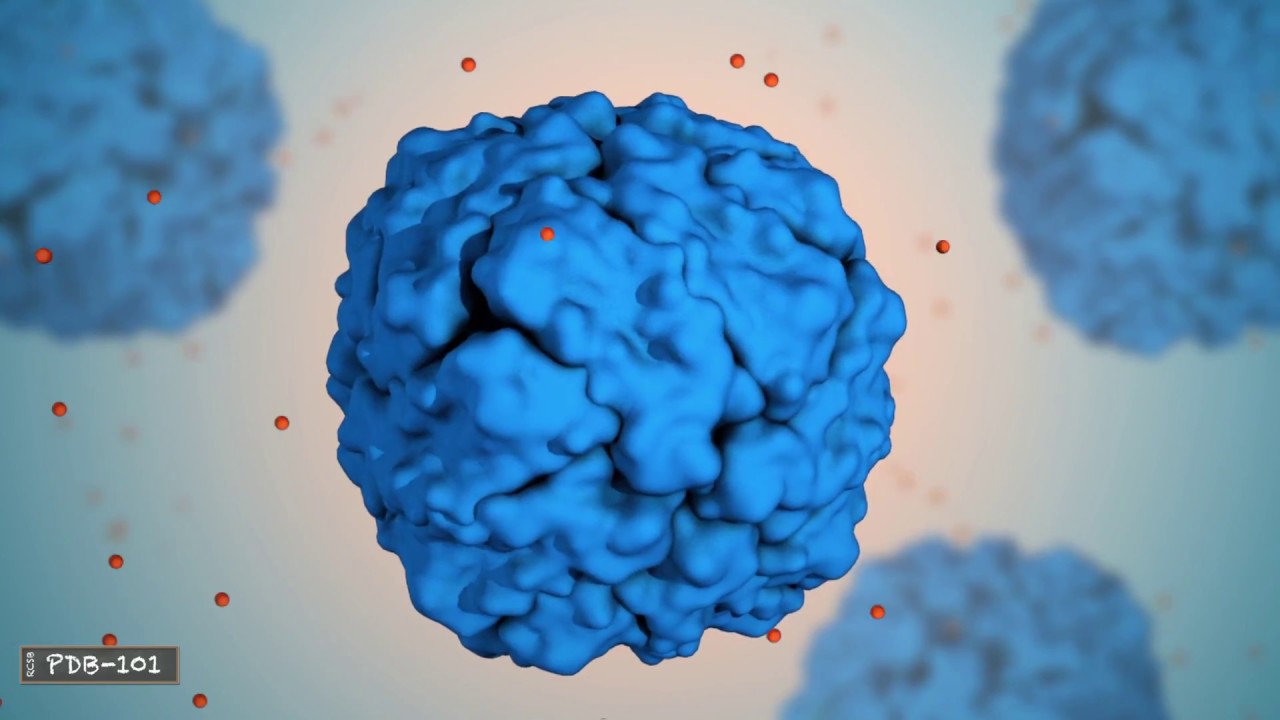
What is a Protein? (from PDB-101)
RCSBProteinDataBank
Overview
This video explains the fundamental nature of proteins, highlighting their diverse roles in biological systems, from nutrient transport and catalysis to structural support. It details that all proteins are constructed from a common set of 21 amino acids, each with a unique side chain that dictates its properties (hydrophobic, hydrophilic, or charged). The video then explores protein structure, starting with the primary sequence of amino acids linked by peptide bonds. It progresses to secondary structures like alpha helices and beta sheets, formed by hydrogen bonds. The tertiary structure, the protein's overall 3D shape, is determined by amino acid interactions and is crucial for function. Finally, the video touches upon quaternary structure (multiple subunits) and the use of different visual representations to understand protein structure and function, providing examples like hemoglobin, antibodies, insulin, and collagen.
This summary expires in 30 days. Save it permanently with flashcards, quizzes & AI chat.
Chapters
- •Proteins perform a vast array of functions in living organisms.
- •All proteins are built from 21 types of amino acids.
- •Amino acids consist of carbon, hydrogen, oxygen, nitrogen, and sometimes sulfur or selenium.
- •Each amino acid has an amino group, a carboxyl group, and a variable side chain attached to a central carbon.
- •The side chain determines the amino acid's properties.
- •Hydrophobic amino acids have carbon-rich side chains and avoid water.
- •Hydrophilic/polar amino acids interact favorably with water.
- •Charged amino acids interact with oppositely charged molecules.
- •Primary structure is the linear sequence of amino acids encoded by DNA.
- •Amino acids are linked by peptide bonds, forming a protein backbone.
- •Secondary structures include alpha helices (coils) and beta sheets (strands).
- •Hydrogen bonds stabilize alpha helices and beta sheets.
- •Tertiary structure is the protein's overall 3D shape.
- •Amino acid characteristics dictate the 3D shape.
- •Hydrophobic residues are often buried inside globular proteins.
- •Membrane proteins have exposed hydrophobic residues to interact with lipids.
- •Protein shape is critical for its specific function.
- •Quaternary structure involves the assembly of multiple polypeptide chains (subunits).
- •Different visual representations (space-filling, ribbon, surface) reveal structural details.
- •Protein size is typically very small, often in nanometers.
- •The number of protein molecules can be immense (e.g., hemoglobin in red blood cells).
- •Hemoglobin transports oxygen using a heme pocket.
- •Antibodies protect against disease by binding pathogens.
- •Insulin regulates blood glucose levels.
- •Alpha-amylase begins starch digestion.
- •Calcium pumps facilitate muscle contraction.
- •Ferritin stores iron safely.
- •Collagen provides structural support.
Key Takeaways
- 1Proteins are essential biological molecules with diverse functions, all built from the same 21 amino acids.
- 2The specific sequence and properties of amino acids determine a protein's structure and function.
- 3Protein structure progresses from primary (sequence) to secondary (helices/sheets) to tertiary (3D shape) and sometimes quaternary (multiple subunits).
- 4The 3D shape of a protein is directly linked to its ability to perform its specific biological role.
- 5Amino acid side chains dictate interactions with water and other molecules, influencing protein folding and function.
- 6Different visual representations aid in understanding complex protein structures.
- 7Proteins like hemoglobin, antibodies, insulin, and collagen exemplify the critical roles proteins play in health and bodily processes.