AI-Generated Video Summary by NoteTube
This WRECKS 90% of Reels (It’s Not the Hook)
heyDominik
Overview
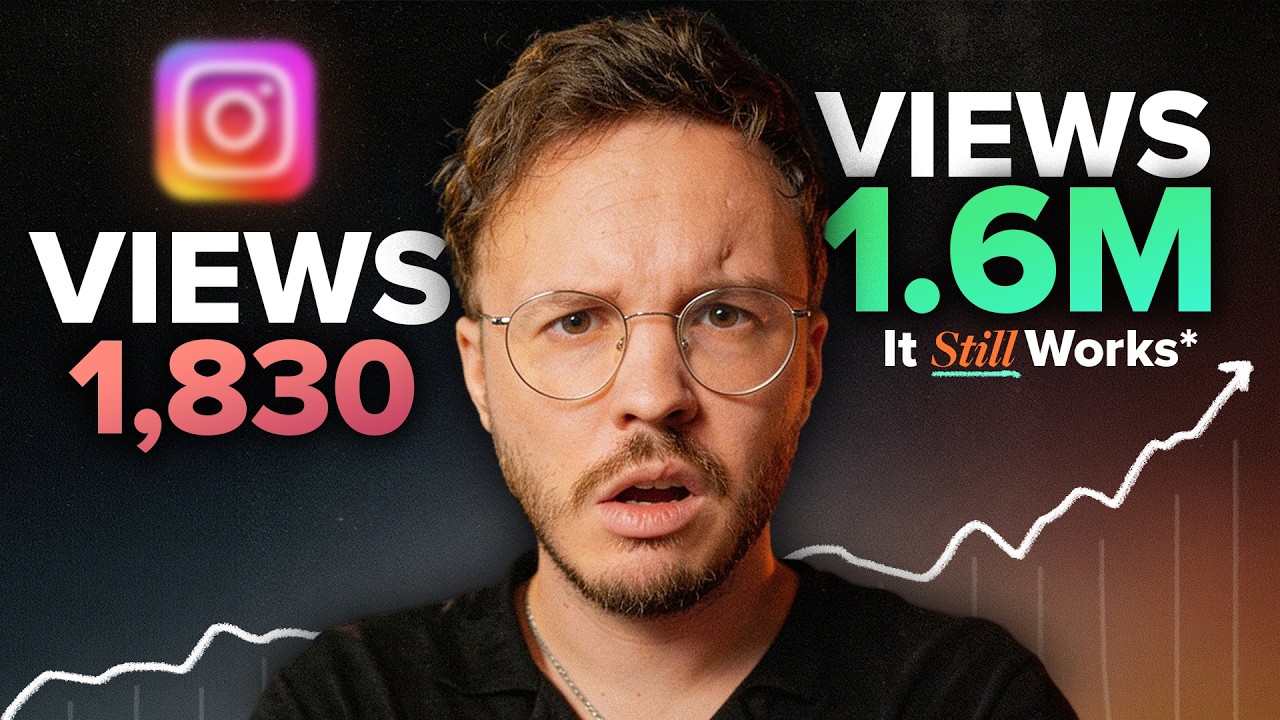
This video explains that the primary reason most short-form videos fail isn't the hook or posting time, but rather the 'packaging' – the unique lens or framework through which content is presented. The speaker contrasts two videos on the same topic (home buying) to illustrate this point: one with a standard approach that flopped, and another using a 'smart angle' (comparison of smart vs. dumb couples) that achieved 1.6 million views despite appearing less polished. The video introduces 'smart angles' or frameworks as a strategy to make content more engaging. It highlights two specific frameworks: the 'comparison framework' (A vs. B) and 'challenging a common belief.' The speaker emphasizes that by focusing on packaging first, creators can naturally develop better hooks and more compelling content, ultimately leading to increased views and engagement. The video concludes by noting that while packaging is crucial, execution, pacing, and delivery also play a role in a video's success.
This summary expires in 30 days. Save it permanently with flashcards, quizzes & AI chat.
Chapters
- •Most short-form videos fail due to poor 'packaging,' not weak hooks or posting times.
- •Packaging is the unique lens or framework applied to content.
- •A decade of experience and analysis of viral videos show packaging has become more critical than hooks.
- •The same topic can perform drastically differently based on its packaging.
- •Example 1: A video for first-time homebuyers with a good hook and clear information performed poorly.
- •Example 2: A video on the same topic, 'Smart couple vs. dumb couple buying a house,' looked less polished but went viral (1.6 million views).
- •The difference was the packaging: the viral video gamified the experience by creating a relatable comparison.
- •Smart angles or frameworks are a new way to create content.
- •Instead of Topic -> Hook -> Script, use Topic -> Framework -> Hook/Script.
- •Alternatively, start with the Framework, then find a Topic to fit it.
- •This approach makes hooks flow more naturally and feel less forced.
- •The comparison framework highlights the contrast between two things.
- •It's highly effective across various niches.
- •Example: CEO morning routine vs. broke morning routine.
- •This makes even mundane topics significantly more interesting.
- •Challenge a widely accepted belief within your industry.
- •This creates intrigue and encourages viewers to question norms.
- •Example: 'Never put 20% down when buying a home' challenges conventional advice.
- •This sparks curiosity and drives engagement.
- •Even with the best packaging, poor execution can cause a video to fail.
- •Pacing, delivery, and visual presentation of the hook are crucial.
- •Effective execution amplifies the power of strong packaging.
- •Future videos will cover content structuring for audience retention and algorithm favorability.
Key Takeaways
- 1The 'packaging' or framework of your content is more critical than the hook for short-form video success.
- 2Transform boring or standard topics into engaging content by applying creative frameworks.
- 3The 'comparison framework' (A vs. B) is a powerful and versatile tool for increasing video interest.
- 4Challenging common beliefs in your niche can create compelling content that grabs attention.
- 5Focusing on packaging first allows for more natural and effective hook creation.
- 6While packaging is key, proper execution (pacing, delivery) is still essential for a video to perform well.
- 7Analyze successful content not just for its hook, but for the underlying framework or angle it uses.
- 8Experiment with different frameworks to find what resonates best with your audience and topic.