18:04
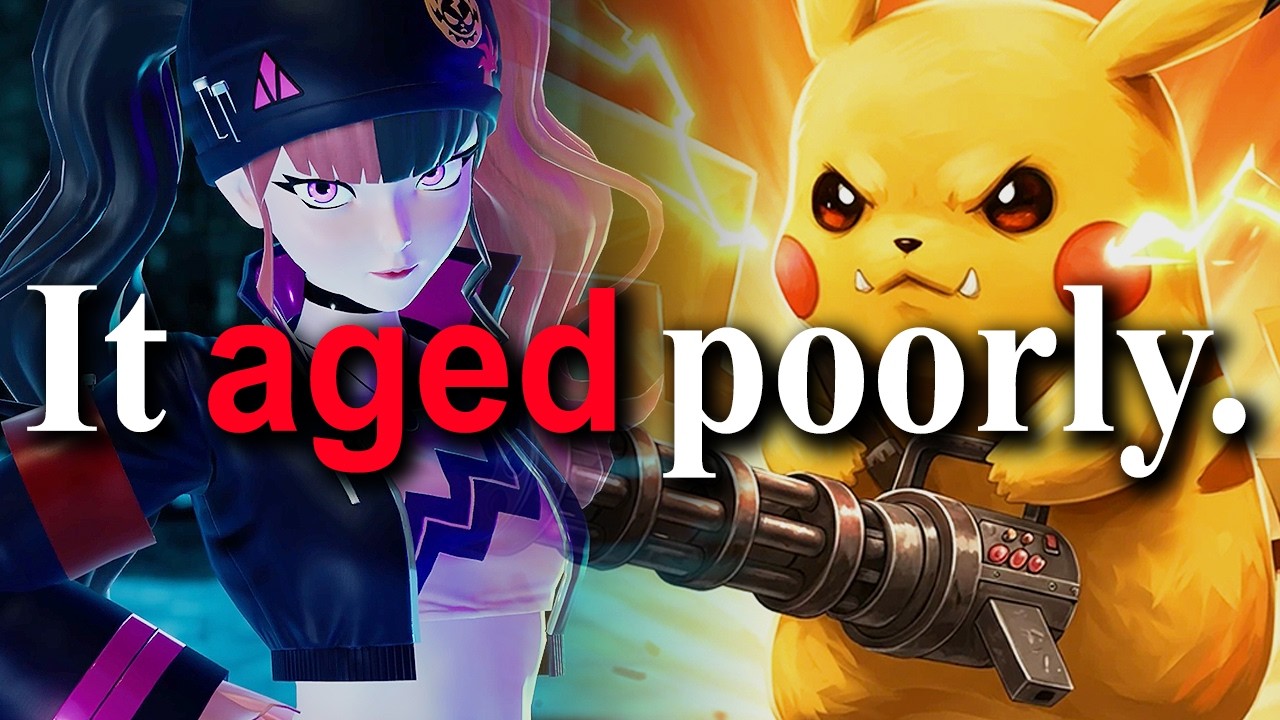
Nintendo's Palworld Lawsuit has Ended in Disaster...
LegacyKillaHD
Overview
This video details the legal battle between Nintendo and the creators of Palworld, Pocket Pair. It covers the initial accusations of IP infringement against Palworld due to its similarities with Pokémon, Nintendo's subsequent lawsuit, and the eventual outcomes. The summary highlights how Nintendo's legal actions, intended to protect its intellectual property, largely backfired, resulting in significant legal expenses and minimal gains, while Palworld continued to thrive and evolve.
How was this?
Save this permanently with flashcards, quizzes, and AI chat
Chapters
- Palworld achieved massive success shortly after its early access launch, attracting millions of players and surpassing major titles in concurrent players.
- The game's popularity stemmed from its monster-taming mechanics, which resonated with players frustrated by the perceived stagnation of the Pokémon franchise.
- Accusations arose regarding Palworld's design similarities to Pokémon and the potential use of AI in its development, though no concrete proof of AI was presented.
- Despite controversies, Palworld's success was undeniable, reaching 32 million players by 2025 and establishing itself as a top-selling indie game.
This chapter sets the stage by explaining Palworld's rapid rise to fame and the immediate controversies that attracted Nintendo's attention, highlighting the game's impact on the market.
Palworld had more concurrent Steam players than Cyberpunk and Elden Ring upon its early access launch.
- Nintendo's president publicly stated the company would take action against intellectual property infringement, signaling an impending lawsuit.
- In September 2024, Nintendo and The Pokémon Company sued Pocket Pair, alleging patent infringement related to core game mechanics.
- Pocket Pair responded by proactively removing certain game mechanics, such as using Pals as gliders and Palphere summons, to mitigate legal pressure.
- These adjustments were admitted by Pocket Pair to be a direct response to Nintendo's litigation, aimed at avoiding disruptions to development and distribution.
This section details the direct conflict initiated by Nintendo and Palworld's strategic concessions, illustrating the immediate impact of legal threats on game development.
Palworld was forced to remove the mechanic of using 'PALS' as gliders, replacing it with a standard glider.
- Nintendo faced significant legal setbacks, starting with the Japanese Patent Office rejecting its patent for a Pokémon capture mechanic.
- This rejection was based on prior art, indicating that similar mechanics existed in other games before Nintendo filed its patent.
- Multiple games, including Studio Wildcard's Ark and Capcom's Monster Hunter 4, were cited as examples of existing creature-catching mechanics.
- These rejections suggested that Nintendo's attempts to patent fundamental gameplay loops were unlikely to succeed.
This chapter explains how Nintendo's legal strategy began to falter as patent offices recognized that their claims were not novel, undermining their aggressive stance.
The Japanese Patent Office rejected Nintendo's patent for its Pokémon capture mechanic due to existing prior art in other games.
- Reports indicated Nintendo faced a near-zero chance of halting Palworld's release and a maximum potential payout of only $30,000.
- Nintendo's legal expenses were estimated to be in the millions, contrasting sharply with the minimal financial gains from the lawsuit.
- The lawsuit was significantly narrowed, focusing only on outdated versions of Palworld, preventing Nintendo from impacting the current game or its 1.0 release.
- Nintendo's strategy of filing patents retroactively after Palworld's success backfired, as Pocket Pair had already updated the game to remove patent-exposed features.
This section highlights the disastrous financial and strategic outcome for Nintendo, demonstrating how their aggressive legal approach led to substantial losses and limited victories.
Nintendo's potential maximum payout from the lawsuit was capped at a mere $30,000, while their legal expenses were in the millions.
- Despite the legal victories, the lawsuit negatively impacted Palworld's development team's morale and workflow.
- Pocket Pair remained committed to developing the game they and their players love, focusing on their survival-crafting genre.
- Nintendo's actions inadvertently created a roadmap for other developers on how to navigate or challenge similar IP claims.
- The outcome is seen as a victory for the gaming industry, promoting innovation by challenging overly restrictive patenting of common gameplay mechanics.
This chapter discusses the consequences for Palworld's developers and the broader implications for the gaming industry, emphasizing the importance of innovation over IP protectionism.
A marketing lead for Pocket Pair stated that the ongoing legal battles have taken a toll on team morale and development.
Key takeaways
- Aggressive intellectual property enforcement, especially through litigation, can be financially ruinous and strategically counterproductive if not well-founded.
- The gaming industry benefits from innovation, which can be stifled by attempts to patent common gameplay mechanics that have existed for years.
- Developers facing legal challenges may need to make concessions on game features to ensure the survival and continued development of their projects.
- Public perception and the court of public opinion play a significant role alongside actual legal proceedings in the success or failure of a company's actions.
- Nintendo's perceived neglect of the Pokémon IP and the release of 'disappointing' products created an opening for Palworld to capture player interest.
- The Palworld lawsuit serves as a cautionary tale, demonstrating how a David-and-Goliath legal battle can backfire spectacularly on the larger entity.
- The rejection of Nintendo's patents highlights the importance of prior art and the limitations of patenting fundamental game design elements.
Key terms
Intellectual Property (IP) InfringementPatent InfringementPrior ArtEarly AccessGenerative AILatigousAsset FlipGame MechanicsDivisional PatentsCourt of Public Opinion
Test your understanding
- What were the primary accusations leveled against Palworld that led to Nintendo's legal action?
- How did Pocket Pair strategically respond to Nintendo's lawsuit to protect their game's development and distribution?
- Why did the Japanese Patent Office reject Nintendo's patent application for its Pokémon capture mechanic?
- What was the estimated financial outcome for Nintendo in terms of legal expenses versus potential payout from the Palworld lawsuit?
- What are the broader implications of the Palworld lawsuit for innovation and patenting practices within the gaming industry?