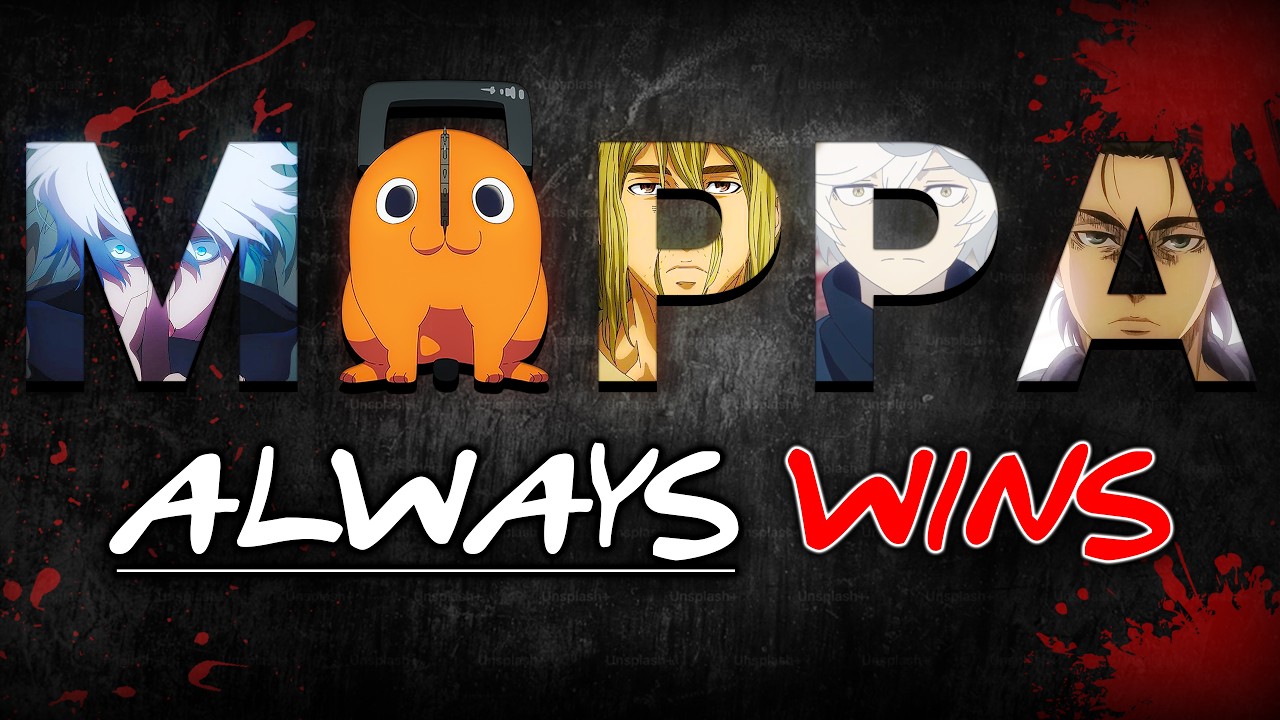
The Studio that Broke Anime
ItzKish
Overview
This video explores the rapid rise and controversial practices of MAPPA, a prominent anime studio. It traces the studio's origins from its founder, Masao Maruyama, and his experiences at Mushi Productions and Madhouse, highlighting his desire for creative freedom and fair working conditions. The summary details MAPPA's subsequent growth, fueled by adapting popular manga and taking on ambitious projects like 'Attack on Titan' and 'Jujutsu Kaisen.' It critically examines the immense pressure and exploitative labor practices allegedly employed by the studio to meet demanding schedules and achieve high production quality, contrasting this with Maruyama's initial vision and the positive work environments of other studios like Kyoto Animation and ufotable. The video concludes by noting Maruyama's continued creative work at Studio M2.
Save this permanently with flashcards, quizzes, and AI chat
Chapters
- Masao Maruyama, a veteran of early anime studios like Mushi Productions and Madhouse, founded MAPPA in 2011.
- Maruyama's departure from Madhouse was prompted by the studio's shift towards less innovative, more commercially driven projects after external investment.
- He aimed to create MAPPA as a studio prioritizing artistic creativity and fair labor practices.
- Early MAPPA projects like 'Yuri on Ice' achieved critical success, but also led to pressure to scale the business rapidly.
- After Maruyama's departure, Manabu Otsuka took over MAPPA, focusing on business scaling and profit.
- MAPPA gained significant traction by adapting popular manga like 'Banana Fish' and 'Zombieland Saga'.
- The studio took on the highly anticipated final season of 'Attack on Titan' after Wit Studio declined due to the immense production pressure.
- This decision, while risky, propelled MAPPA to industry dominance, adapting a project with unprecedented mainstream appeal.
- MAPPA secured adaptations for major hits like 'Jujutsu Kaisen' and 'Chainsaw Man' through strategic connections and aggressive bids.
- The studio produced 'Jujutsu Kaisen 0' in an astonishingly short four-month period, showcasing incredible animation but at a severe human cost.
- Reports emerged of animators facing extreme overwork, contemplating suicide, and being bound by strict NDAs.
- MAPPA's rapid success was built on adapting multiple high-profile series simultaneously, including 'Attack on Titan' final season and 'Jujutsu Kaisen' season 2, under immense pressure.
- MAPPA's aggressive production schedule, including simultaneous high-profile anime like 'Chainsaw Man' and 'Vinland Saga' season 2, led to widespread animator burnout.
- The studio allegedly paid minimum wage to employees, further exacerbating the difficult working conditions.
- Key directors were hospitalized due to work-related stress, with some taking personal blame.
- MAPPA's management, led by Otsuka, aimed to rival studios like Kyoto Animation and ufotable, known for quality but also for better work-life balance, by pushing their staff to the absolute limit.
- Masao Maruyama, after leaving MAPPA, founded Studio M2 in 2016.
- Studio M2 has focused on producing creative and enjoyable projects, including the well-received 'Pluto'.
- While MAPPA has become a dominant force, its aggressive work culture continues to be a point of concern.
- The video suggests that despite the intense workload, the quality of MAPPA's output remains exceptionally high, leaving viewers to ponder the potential if animators had more time.
Key takeaways
- MAPPA's rapid ascent to industry leadership was driven by securing high-profile adaptations and an aggressive production strategy.
- The studio's success is often attributed to its ability to deliver visually stunning animation under extreme deadlines.
- There are significant ethical concerns regarding animator welfare, including overwork, low pay, and intense pressure, within MAPPA.
- Masao Maruyama, MAPPA's founder, initially envisioned a studio prioritizing creativity and fair labor, a vision that appears to have diverged under new leadership.
- The demand for anime content has created a high-pressure environment where studios like MAPPA are incentivized to push production limits.
- Despite criticisms of its labor practices, MAPPA's productions consistently set new benchmarks for animation quality and directing.
- The anime industry faces a persistent tension between delivering popular content quickly and ensuring the well-being of its creative workforce.
Key terms
Test your understanding
- What were Masao Maruyama's initial goals when founding MAPPA, and how do they contrast with the studio's current reputation?
- How did MAPPA manage to secure adaptations for major series like 'Attack on Titan' and 'Jujutsu Kaisen', and what were the implications of these decisions?
- What specific labor practices at MAPPA have drawn criticism, and what has been the reported impact on animators?
- How does the video explain the tension between MAPPA's high-quality output and the alleged poor working conditions for its staff?
- What is the significance of Masao Maruyama's departure from MAPPA and his subsequent work at Studio M2 in understanding the studio's trajectory?