18:56
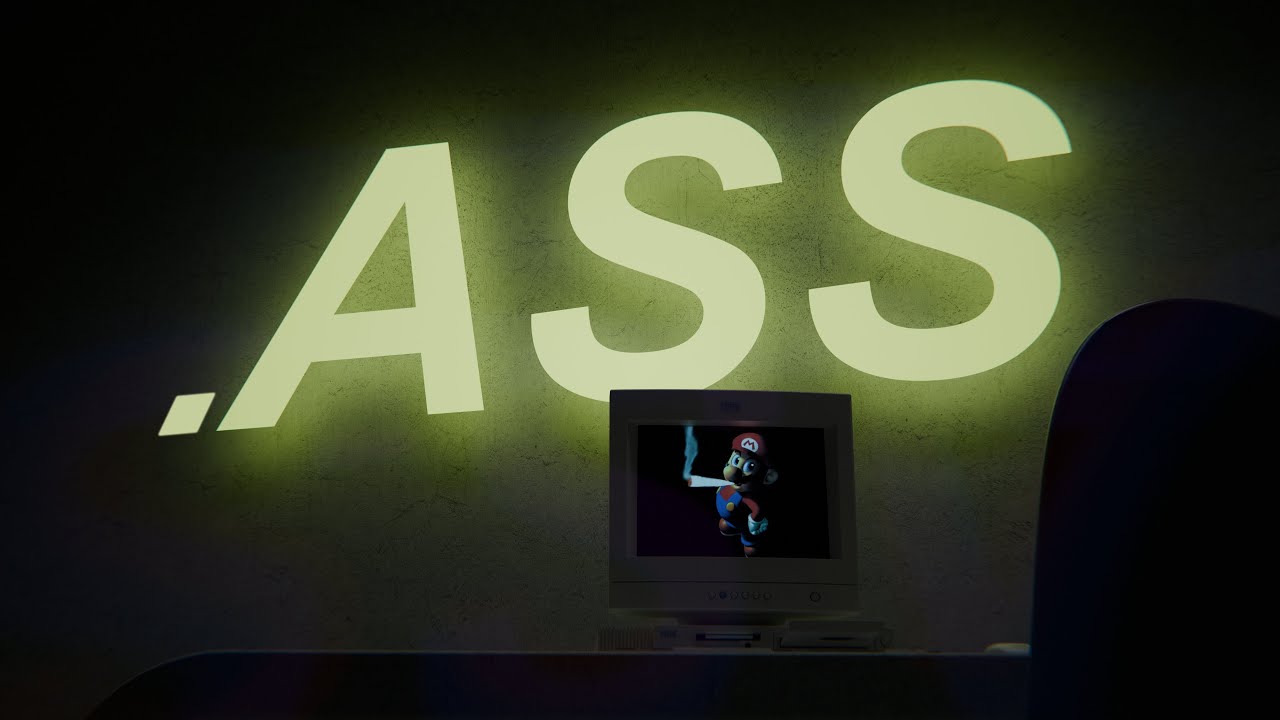
Poisoning AI with ".аss" subtitles
f4mi
Overview
This video explains how AI-powered YouTube channels are plagiarizing content by scraping video subtitles and feeding them to large language models (LLMs). The creator demonstrates a method to 'poison' these subtitles using the Advanced Subtitle System (ASS) format, embedding invisible, nonsensical text that confuses AI summarizers while remaining readable for human viewers. The video explores the technical details of ASS, its conversion to YouTube's format, and various techniques to thwart AI content scraping, ultimately advocating for creators to protect their work against unauthorized AI training and content theft.
How was this?
Save this permanently with flashcards, quizzes, and AI chat
Chapters
- Many seemingly AI-generated YouTube videos are actually human-made using AI tools to plagiarize existing content.
- These 'faceless YouTube channels' often scrape subtitles from original videos, feed them to LLMs like ChatGPT, and generate summaries or new content.
- This practice exploits YouTube's automatic subtitle feature and is a growing problem for original creators.
- The motivation is primarily financial, with individuals using AI to launder other people's work for profit.
Understanding this trend is crucial for creators to recognize when their content might be at risk of being stolen and to appreciate the ethical implications of AI-driven content creation.
The speaker mentions a website called Toolify AI that directly stole their video by summarizing it using an AI tool.
- The SRT subtitle format is simple, containing only sequence numbers, timecodes, and text.
- The ASS format, developed for fansubbing, is far more advanced, allowing for custom fonts, positioning, effects, and multi-line styling.
- While YouTube doesn't directly support ASS uploads, it converts them to its internal SRV3 (YTT) format, which preserves ASS features.
- ASS's advanced features, particularly positioning and styling, are key to the 'subtitle poisoning' technique.
Learning about the technical differences between subtitle formats highlights how specific features can be leveraged for creative solutions to combat content theft.
The speaker explains how ASS allows for text to be placed 'out of bounds' or made invisible using zero size and transparency, which is fundamental to the poisoning method.
- The core idea is to embed nonsensical, irrelevant text within the subtitle data that is invisible to human viewers but detectable by AI.
- This is achieved by using ASS's positioning features to place text outside the visible screen area and setting its size and transparency to zero.
- To avoid AI detection of repetition, the hidden text is often sourced from public domain works and modified with synonyms.
- A Python script automates the generation of these poisoned ASS files, which are then converted to YouTube's YTT format.
This technique provides a practical, albeit temporary, defense mechanism for creators against AI summarization tools that rely on subtitle data.
The speaker shows a demonstration where a YouTube summarizer tool, when fed a video with poisoned subtitles, produces a summary based on the nonsensical hidden text rather than the actual video content.
- The poisoning method needs to account for variations in how AI tools scrape and process subtitles, including mobile viewing limitations.
- Techniques like making subtitles black on black (for mobile) or scrambling the order of letters within the subtitle file are employed to further confuse LLMs.
- Some advanced AI models (like GPT-4o) are becoming better at detecting these tricks, requiring continuous adaptation of the defense.
- Exploiting AI caching mechanisms by pre-populating summaries with fake content is another strategy.
- The speaker acknowledges that these methods are not foolproof and developers of AI tools will likely patch these vulnerabilities.
This highlights the ongoing arms race between content creators and AI scraping tools, emphasizing the need for continuous innovation and adaptation.
The speaker describes a method where subtitle text is broken down letter by letter, with each letter having its own position and timing, forcing LLMs to expend significant resources reassembling words and sentences.
- The video is not intended as a definitive solution but as a call to action for creators to protect their work.
- Mega-corporations are also training AI on artists' work without authorization, posing a significant threat to creative livelihoods.
- Creators should not be passive 'doomers' but should actively seek ways to make it harder for their content to be stolen or used without compensation.
- The speaker hopes that by sharing these methods, other creators might develop even more sophisticated defenses.
This section frames the technical discussion within a larger context of creator rights and the ethical use of AI, encouraging a proactive stance against exploitation.
The speaker expresses frustration with mega-corporations using creators' art to build AI systems that could eventually replace them, emphasizing the need for creators to fight back in whatever ways they can.
Key takeaways
- Faceless YouTube channels often plagiarize content by using AI to summarize or reformat existing videos based on their subtitles.
- The Advanced Subtitle System (ASS) format offers advanced features like positioning and styling that can be exploited to hide data from AI.
- By embedding invisible, nonsensical text in subtitles using ASS, creators can 'poison' AI summarizers, causing them to generate inaccurate summaries.
- AI summarizers typically rely on scraped subtitles, and techniques like out-of-bounds text, transparency manipulation, and scrambled letters can confuse them.
- While effective against many current AI tools, these methods are a temporary defense as AI developers continually update their systems.
- Creators face a dual threat from individual plagiarists and large corporations using content for AI training without permission.
- Proactive measures and continuous innovation are necessary for creators to protect their intellectual property in the age of AI.
Key terms
Faceless YouTube ChannelAI PlagiarismLarge Language Model (LLM)Subtitle PoisoningAdvanced Subtitle System (ASS)SRT FormatYouTube Time Text (YTT)Out-of-Bounds TextAI CachingContent Scraping
Test your understanding
- How do AI-powered YouTube channels typically plagiarize content, and what role do subtitles play in this process?
- What are the key technical differences between the SRT and ASS subtitle formats, and why is ASS more suitable for content protection techniques?
- Describe the 'subtitle poisoning' method: what is it, how does it work using ASS features, and what is its intended effect on AI summarizers?
- Beyond embedding hidden text, what other techniques can be used to confuse AI summarizers that rely on subtitle data?
- What are the broader implications of AI content scraping and unauthorized AI training for content creators, and what is the speaker's call to action?