AI-Generated Video Summary by NoteTube
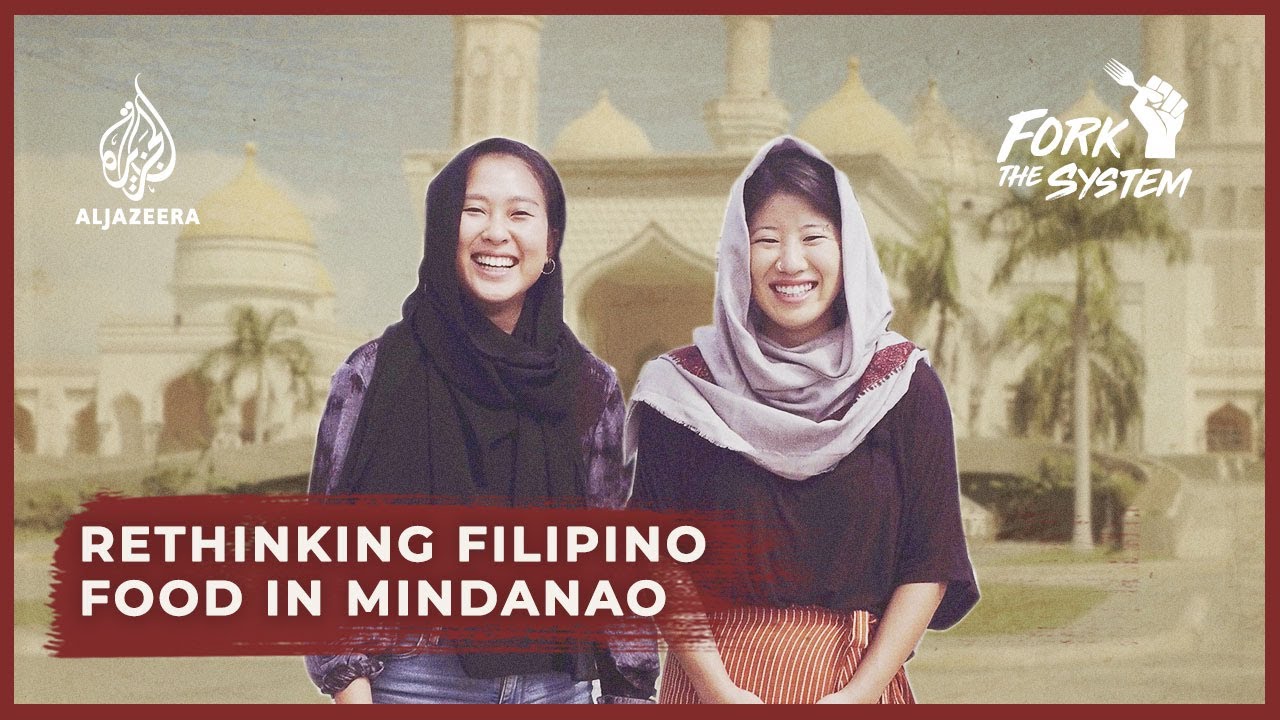
Rethinking Filipino Food by Going to Muslim Mindanao | Fork the System
Al Jazeera English
Overview
This video explores the diverse and often overlooked culinary landscape of Muslim Mindanao in the Philippines, challenging the narrow perception of Filipino food. Hosts Joi and HJ journey to Mindanao, meeting with locals like Amir, Aldean, Ace, and Chef Datu to understand the cultural significance of their food. They discover unique dishes like Tiyula Itum and Piaparan a Manok, prepared with distinct ingredients and techniques. The narrative highlights the historical marginalization of Muslim Mindanao, the impact of conflict on its people and culture, and the ongoing efforts to integrate its rich heritage into the broader Filipino identity. The video emphasizes that a truly representative Filipino cuisine must embrace the contributions of all its diverse ethnic and religious groups, moving beyond stereotypes and fostering a more inclusive national narrative.
Want AI Chat, Flashcards & Quizzes from this video?
Sign Up FreeChapters
- •Filipino food is often perceived narrowly, excluding diverse regional cuisines.
- •Mindanao, a Muslim-majority region, is largely absent from mainstream Filipino food narratives.
- •The Philippines' colonial history and pursuit of a national identity have led to exclusion.
- •The hosts travel to Mindanao to explore its unique food and culture.
- •Amir, a Tausug local, emphasizes food as a crucial part of his people's identity.
- •Tausug food, like Tiyula Itum, is distinct and surprising to many Filipinos.
- •Mindanao, despite agricultural wealth, faces poverty and marginalization.
- •The unique charred coconut paste in Tiyula Itum gives it a distinctive black color and flavor.
- •Aldean Alonto discusses the marginalization of Muslim and indigenous peoples in Mindanao's history.
- •Resettlement policies led to demographic shifts, making Mindanao no longer Muslim-majority.
- •This historical exclusion has led to feelings of being second-class citizens.
- •Decades of conflict resulted in significant loss of life and displacement.
- •The Marawi siege in 2017 overshadowed the region's culture with images of destruction.
- •The city center was devastated, leaving many residents displaced and living in temporary camps.
- •Reconstruction efforts are stalled, and mistrust between residents and the government persists.
- •The siege disrupted daily life, including access to food markets and commercial centers.
- •Ace highlights the resilience and adaptability of the Maranao people.
- •The hosts learn to cook Piaparan a Manok (chicken coconut stew) with Babo Zoraida.
- •Palapa, a mix of coconut, spices, and native scallions, is a key Maranao ingredient.
- •Coconut and turmeric are significant in Maranao cuisine, with yellow being an important color.
- •Chef Datu Shariff Pendatun works to introduce Mindanaoan flavors to the mainstream.
- •He prepares dishes like tuna soup, Sinina, and Kilawing Kambing, showcasing Maguindanaon influences.
- •Food traditions are a blend of different influences, reflecting the diverse backgrounds of the people.
- •Datu emphasizes looking at food as a free-flowing exchange of ideas, not just differences.
- •The hosts reflect on the complexities of navigating multiple identities.
- •Reclaiming heritage can be a response to historical oppression but risks further polarization.
- •A truly inclusive national narrative should not be dominated by a single story.
- •Multiculturalism is what makes the Philippines Filipino, and excluding groups has real consequences.
Key Takeaways
- 1Filipino food is far more diverse than commonly perceived, with Mindanao's cuisine being a significant, underrepresented part.
- 2Food is deeply intertwined with cultural identity, history, and the lived experiences of marginalized communities.
- 3Historical conflicts and marginalization have profoundly impacted the people and culture of Muslim Mindanao.
- 4The resilience of communities like the Maranaos is evident in their ability to adapt and preserve their traditions amidst adversity.
- 5Promoting inclusivity in national narratives, including food, is crucial to avoid further polarization and acknowledge the contributions of all groups.
- 6Understanding Mindanao's food requires looking beyond stereotypes and appreciating its unique ingredients, techniques, and cultural significance.
- 7Efforts to integrate Mindanaoan cuisine into the mainstream are vital for fostering a more accurate and comprehensive representation of Filipino identity.
- 8Excluding diverse groups from the national narrative leads to real-life consequences and a loss of cultural richness for the entire nation.