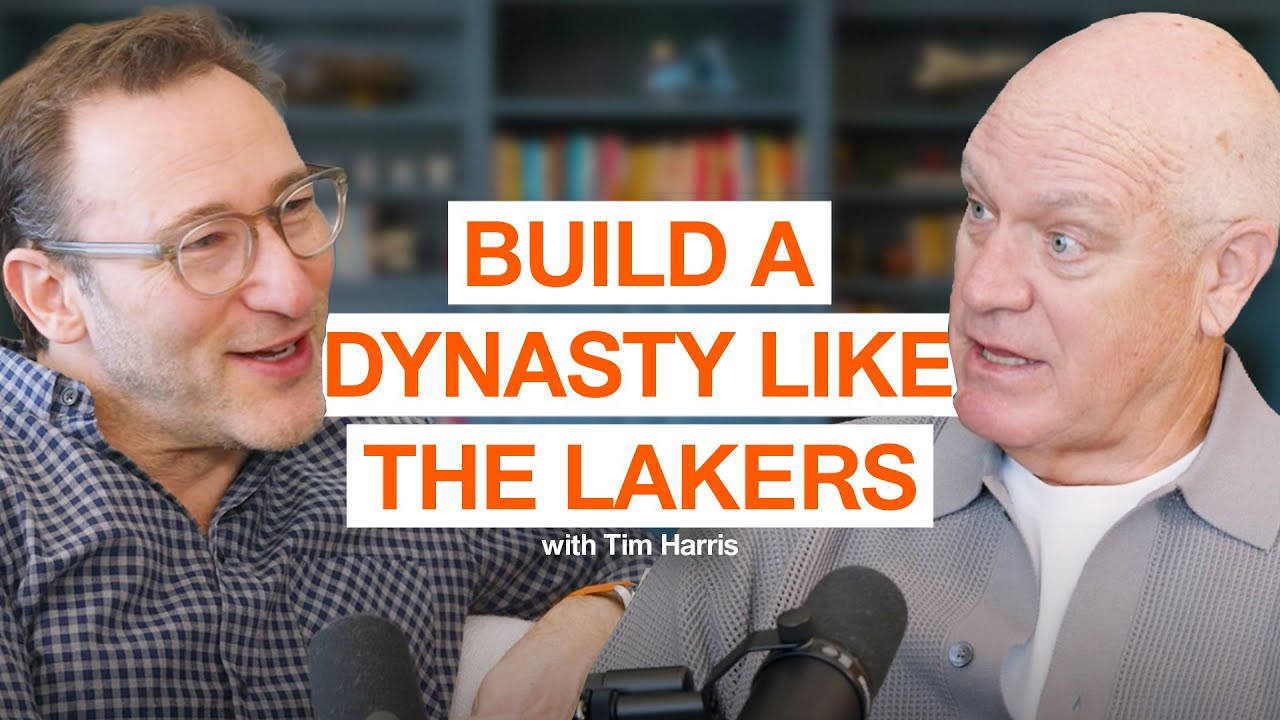
What Happens When You Stop Optimizing and Start Committing | Former LA Lakers President Tim Harris
Simon Sinek
Overview
This video features an interview with Tim Harris, former President of Business Operations for the LA Lakers, who shares insights gained from his 35-year tenure with the organization. Harris emphasizes the importance of a 'human first' leadership approach, drawing parallels between sports and business. He discusses building a culture of loyalty, the significance of understanding and fulfilling individual roles within a team, and the power of genuine human moments in brand building. The conversation also touches on the contrast between short-term, transactional business practices and long-term, relationship-focused strategies, highlighting the value of empathy, consistency, and investing in people.
Save this permanently with flashcards, quizzes, and AI chat
Chapters
- Tim Harris spent 35 years with the LA Lakers, starting in the mid-90s and rising to President of Business Operations.
- His career began indirectly through sports, playing indoor soccer and connecting with the Lakers' owner, leading to a role in sponsorship sales for events at the Forum.
- This journey contrasts with the modern trend of job-hopping, highlighting a bygone era of company loyalty and long-term commitment.
- The concept of the 'gold watch' retirement signifies a past where dedicating one's career to a single company was common and valued.
- Effective leadership, like coaching, requires maintaining a supportive distance rather than micromanaging.
- Great coaches and leaders focus on the team's development and well-being, not solely on winning, fostering a culture of care.
- Clarity of roles is crucial for team success; individuals must understand and fulfill their specific responsibilities for the collective good.
- Ambition is valuable, but it must be balanced with fulfilling current roles; separate discussions can address individual aspirations.
- Elite athletes like Kobe Bryant and LeBron James exhibit exceptional preparation and the ability to compartmentalize distractions.
- They focus on fundamental actions and the present moment rather than the overwhelming pressure of the outcome.
- A deep love for the game and the ability to find joy in each point, win or lose, distinguishes top performers.
- This mindset allows them to conserve mental energy and perform consistently under pressure.
- Successful brands are built through consistent, genuine human interactions and small acts of kindness.
- The Lakers' 'Caught You Being a Laker' program empowered employees to create positive fan experiences, fostering goodwill and brand loyalty.
- Giving away unused premium seats to deserving fans creates 'evangelicals' who spread positive word-of-mouth, a more valuable return than empty seats.
- These seemingly small, unpromoted acts build a powerful brand reputation organically over time.
- Business is fundamentally about human relationships, even in B2B contexts.
- Treating customers and employees as line items on a spreadsheet, rather than as individuals with emotions and ambitions, is detrimental.
- Companies that prioritize short-term gains (like airlines charging exorbitant fees for flight changes) risk damaging their brand and alienating customers.
- Genuine interactions and understanding people's individual circumstances are key to long-term business success and brand resilience.
- People crave 'caring structure'—boundaries and accountability combined with empathy and support.
- Leaders must meet people where they are, understanding their individual circumstances and ambitions, while still holding them accountable.
- Accountability is not punitive but a necessary component for growth, accomplishment, and team success.
- Balancing grace with clear expectations ensures that individuals can grow without causing career-defining mistakes.
Key takeaways
- Long-term commitment and loyalty, though rare, can foster deep organizational culture and success.
- Effective leadership involves empowering individuals by clearly defining roles and providing supportive guidance, not micromanagement.
- Elite performance stems from rigorous preparation, mental fortitude, and a focus on fundamentals, rather than solely on the outcome.
- Building a strong brand relies on consistent, genuine human interactions and small acts of kindness that create loyal advocates.
- Business success is intrinsically linked to understanding and valuing the human element in every interaction, from employees to customers.
- A balance of empathy and accountability ('caring structure') is essential for fostering individual growth and achieving collective goals.
- Prioritizing people's well-being and personal lives over work commitments builds trust and long-term loyalty.
- Genuine connection and consistent positive actions, even when unpromoted, have a powerful ripple effect on brand reputation and loyalty.
Key terms
Test your understanding
- How does Tim Harris's career trajectory challenge the modern notion of professional flexibility?
- What is the significance of 'caring structure' in leadership, and how can it be implemented?
- Explain the concept of 'conditional teamwork' and why it undermines organizational success.
- How can small, seemingly insignificant acts of kindness contribute to building a powerful brand or organization?
- In what ways do elite athletes' mindsets, such as focusing on fundamentals and finding joy, translate to success in business?