9:53
How to do visual (formal) analysis in art history
Smarthistory
Overview
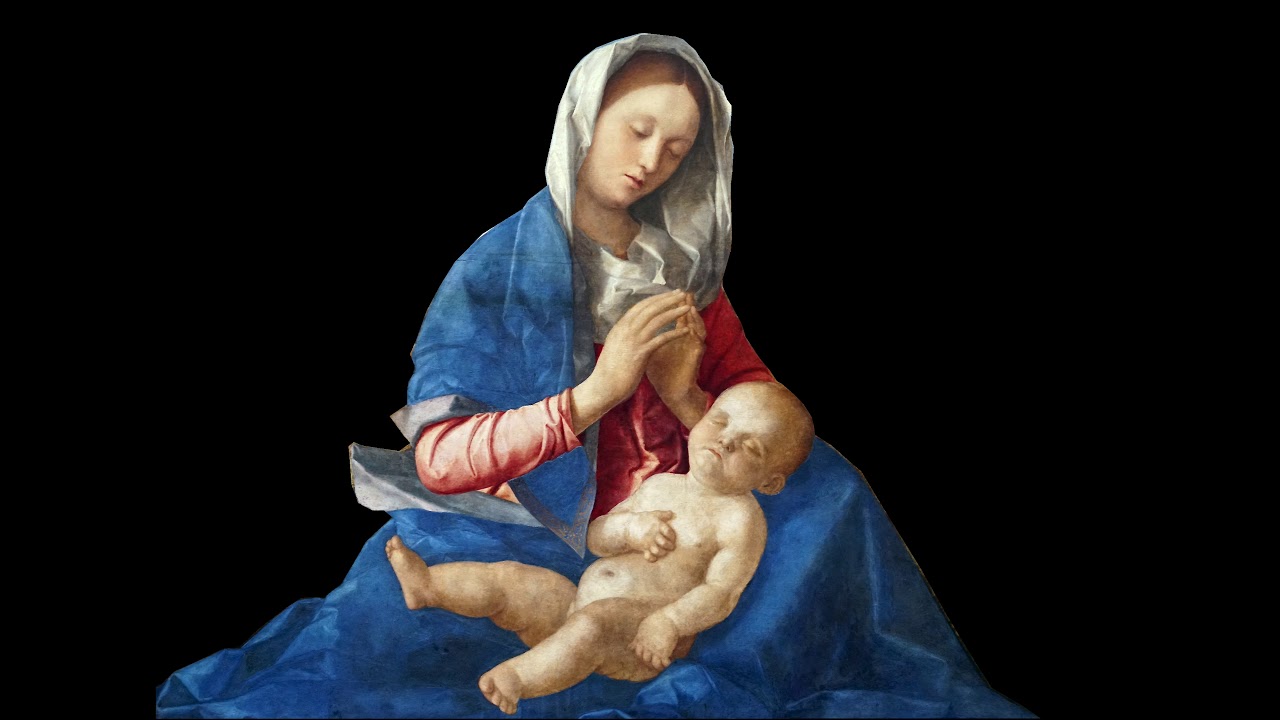
This video provides a practical guide to conducting a formal visual analysis of a painting, using Giovanni Bellini's "Madonna of the Meadow" as an example. It systematically breaks down the analysis into key visual elements such as scale, composition, pictorial space, form, line, color, light, tone, texture, and pattern. The focus is strictly on observable elements within the artwork, excluding historical context, symbolism, or iconography. By examining how these elements are used, viewers can gain a deeper understanding of the artist's techniques and the overall impact of the artwork.
How was this?
Save this permanently with flashcards, quizzes, and AI chat
Chapters
- Formal visual analysis focuses solely on observable elements within an artwork.
- Key elements include scale, composition, pictorial space, form, line, color, light, tone, texture, and pattern.
- This method deliberately excludes historical context, symbolism, iconography, and patronage.
- The goal is to understand how the artist uses visual elements to create meaning and effect.
Understanding formal analysis provides a foundational skill for interpreting any visual artwork by focusing on the artist's deliberate choices and their impact.
The video uses Giovanni Bellini's 'Madonna of the Meadow' as a case study for applying these analytical tools.
- Scale refers to the size of the painting itself and the figures within it, influencing the viewer's physical relationship to the work.
- Composition involves the arrangement of elements, such as the pyramidal structure formed by the Madonna's body, which conveys stability.
- The placement of figures (e.g., Madonna close to the foreground, towering over the horizon) establishes the primary subject.
- Horizontal bands in the landscape (greenery, pebbles, farmland, clouds) create depth and frame the central figure.
- Internal compositional elements, like the correspondence between the Virgin's head tilt and the child's body, create unity and intimacy.
Analyzing scale and composition reveals how an artist guides the viewer's eye and establishes the painting's focal points and emotional tone.
The Madonna's drapery spreading out to form a broad base, creating a stable pyramidal shape that contains the Christ Child.
- Artists create the illusion of three-dimensional space on a two-dimensional surface through techniques like overlapping.
- Atmospheric perspective is demonstrated by the sky's color changing from deep blue near the viewer to paler hues towards the horizon, mimicking how distance affects visibility.
- Linear perspective uses receding diagonal lines (orthogonals) in elements like the plowed field to create a sense of depth.
- These lines converge at a vanishing point, which, though obscured here, establishes a logical spatial relationship for the viewer.
Understanding perspective techniques helps explain how artists construct believable worlds and draw the viewer into the depicted scene.
The mountains in the distance appearing paler and bluer than the foreground, illustrating atmospheric perspective.
- Form refers to the representation of solid objects in space, encompassing natural (trees, clouds), figurative (Madonna, Child), and built (architecture) types.
- Forms can be rounded and curvilinear (figures, clouds) or rectilinear (architecture), and vary in perceived solidity (figures vs. delicate leaves).
- Line is used to define contours, separate forms (drapery from grass), and exist independently (tree branches), contributing to the structure of forms.
- Texture describes the surface quality of objects, ranging from smooth flesh and cloth to rough pebbles or feathery leaves, adding realism.
- Oil paint allows for subtle rendering of varied textures, enhancing the artwork's verisimilitude.
Analyzing form, line, and texture reveals how artists define shapes, create volume, and simulate the tactile qualities of objects, contributing to the artwork's realism and visual interest.
The contrast between the smooth texture of the Virgin Mary's face and the rough, pebbly surface of the middle ground.
- Color analysis involves observing dominant hues (e.g., rich blues, earth tones) and their relationships, like the contrast between the Virgin's mantle and the surrounding landscape.
- The painting utilizes three primary color groups: blues, reds, and yellows, applied to figures, sky, and architecture.
- Light, seemingly from a high sun on the left, models forms by creating consistent patterns of illumination and shadow (chiaroscuro).
- Tone refers to the lightness or darkness of colors, crucial for rendering three-dimensional form and subtle transitions from light to shadow, especially in flesh tones.
- The use of white in the Virgin's shawl and clouds connects her symbolically to the heavens.
Understanding how color, light, and tone are manipulated explains how artists create mood, model form, and direct the viewer's perception of volume and space.
The Virgin Mary's right cheek being illuminated while the left side is in shadow, demonstrating chiaroscuro and creating a sense of three-dimensionality.
- Pattern is the repetition of forms, often used decoratively, as seen in the gold embroidery on the Virgin's robe.
- Subtle, organic patterns exist in nature, like the repeated leaf and grass forms in the foreground foliage.
- These natural patterns can create a decorative field, resembling a carpet and softening the 'unruliness' of nature.
- Pattern can sometimes conflict with illusionistic depth, drawing attention to the painting's two-dimensional surface by making elements appear to 'stand up'.
Recognizing pattern helps identify decorative elements and understand how repetition can either enhance realism or emphasize the flatness of the canvas.
The soft, organic pattern of repeated leaf forms in the foreground foliage, creating a decorative effect.
Key takeaways
- Formal visual analysis is a systematic method for understanding art by focusing exclusively on its observable elements.
- Elements like scale, composition, and pictorial space are used by artists to structure the artwork and guide the viewer's experience.
- Techniques such as atmospheric and linear perspective are crucial for creating the illusion of depth on a flat surface.
- Form, line, and texture work together to define shapes, create volume, and simulate the tactile qualities of objects.
- Color, light, and tone are fundamental tools for establishing mood, modeling forms, and conveying three-dimensionality through techniques like chiaroscuro.
- Pattern, while often decorative, can also influence the perception of space and highlight the artwork's inherent flatness.
- Mastering these analytical tools allows for a deeper, more objective appreciation of an artwork's construction and impact.
Key terms
Formal Visual AnalysisScaleCompositionPictorial SpaceAtmospheric PerspectiveLinear PerspectiveOrthogonalsVanishing PointFormLineContour LineColorLightToneChiaroscuroTexturePattern
Test your understanding
- How does the scale of a painting influence the viewer's interaction with it?
- What compositional techniques does an artist use to establish a primary subject and create a sense of stability?
- Explain the difference between atmospheric and linear perspective and how they are applied in painting.
- How do line and form work together to define objects within a composition?
- What is chiaroscuro, and how does the interplay of light and shadow contribute to the illusion of three-dimensionality?
- In what ways can pattern be used in an artwork, and what effect can it have on the perception of space?