7:32
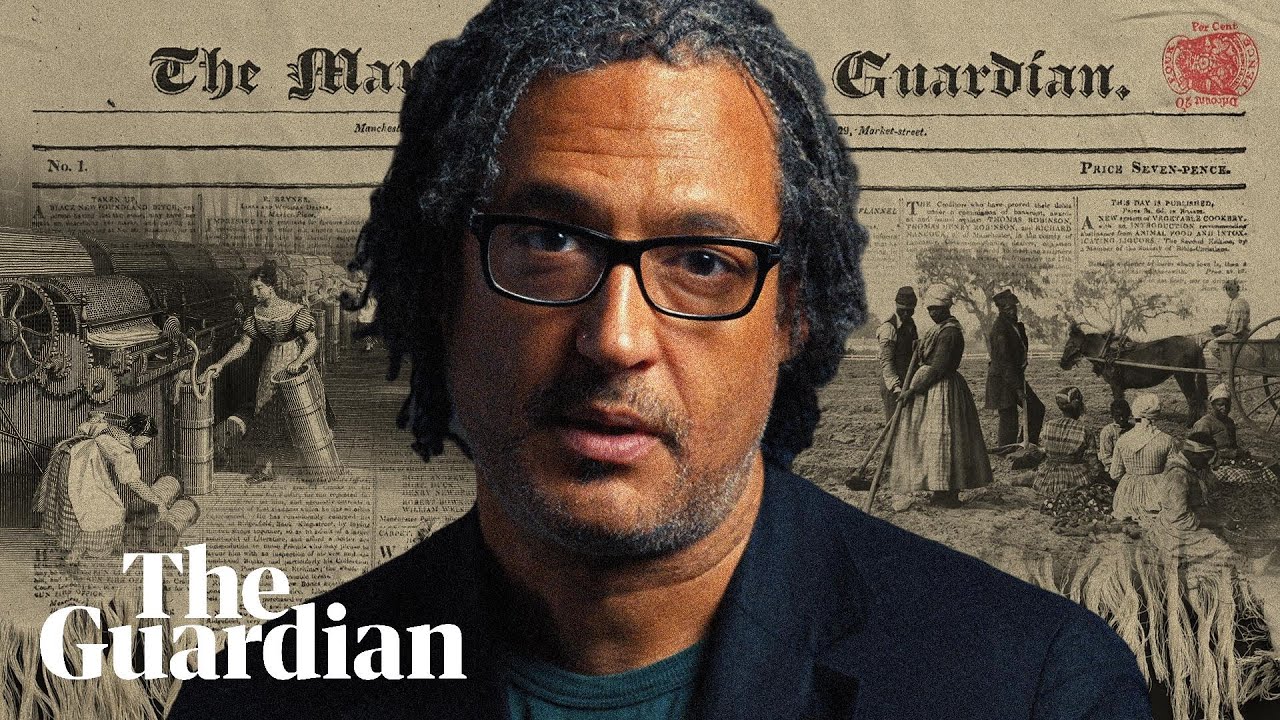
David Olusoga on the Guardian’s links to slavery: ‘That reality can’t be negotiated with’
The Guardian
Overview
This video explores the complex and often uncomfortable history of The Guardian newspaper's origins, revealing its financial ties to the transatlantic slave trade. It argues that acknowledging this history is crucial for understanding Britain's past and present. The discussion highlights how institutions, like The Guardian, were built on wealth derived from enslaved people, particularly through the cotton industry. The video emphasizes that confronting this legacy requires open dialogue, even when difficult, and can lead to a more complete understanding of national identity and historical narratives.
How was this?
Save this permanently with flashcards, quizzes, and AI chat
Chapters
- The Guardian's traditional founding story, linked to the Peterloo Massacre, is true but incomplete.
- Co-founders and investors, including John Edward Taylor, derived wealth from processing slave-produced cotton.
- This means The Guardian, like many British institutions, has direct financial links to the history of slavery.
- This dual reality of its origins cannot be ignored or explained away.
Understanding the complex origins of institutions like The Guardian is essential for a more accurate and complete historical narrative, moving beyond simplified founding myths.
John Edward Taylor, founder of The Guardian, was a Manchester cotton broker whose fortune was tied to slave-produced cotton.
- Britain was a major slave-trading nation, responsible for transporting millions of people.
- Britain was also a significant slave-owning nation in the Caribbean and North America.
- The cotton industry was central to this system, with Manchester and its surrounding areas profiting immensely.
- Vast amounts of cotton flowed into Britain, fueling its industrial growth and wealth, both before and after abolition.
This chapter reframes Britain's historical narrative by placing its deep involvement in slavery and the slave-driven economy at the forefront, rather than in the margins.
The Industrial Revolution in Britain, often taught through inventions like the spinning jenny, was intrinsically linked to the cotton industry, which relied on slave labor.
- There's a tendency to view British history as solely taking place on the islands, marginalizing colonial connections.
- This 'trick' of history shapes national identity by disconnecting the present from its imperial past.
- Research into institutions like The Guardian aims to uncover and highlight these often 'whitewashed' historical aspects.
- The wealth accumulated by institutions and individuals in Britain is directly linked to the suffering of enslaved people in the colonies.
Recognizing how history is presented and the 'tricks' used to obscure uncomfortable truths is vital for a more honest self-understanding and for making connections between past and present.
The speaker admits to falling for the 'trick' by initially thinking of the Peterloo Massacre, not the cotton industry, when considering The Guardian's origins.
- Organizations that confront their history must allow this knowledge to change them.
- Founders and funders of The Guardian, like Sir George Philips, had direct financial ties to slavery, owning estates with enslaved people.
- The wealth used to establish institutions like The Guardian was likely derived from slave labor, linking founders to specific enslaved communities.
- There is no simple blueprint for addressing this legacy; it requires ongoing dialogue, acknowledging an unpayable debt, and engaging in restorative justice.
- The goal is to be part of a movement that actively engages with this history and integrates its lessons into the organization's identity.
This chapter emphasizes that acknowledging historical injustice requires more than just recognition; it necessitates a commitment to change, ongoing dialogue, and restorative practices.
Sir George Philips, a funder of The Guardian, was a partner in a firm that owned the Success estate, which held approximately 122 enslaved persons.
Key takeaways
- History is complex, and institutions often have multiple, sometimes conflicting, origin stories.
- Britain's wealth and industrial development are deeply intertwined with the transatlantic slave trade and slave-produced goods like cotton.
- The narrative of British history has often marginalized or 'whitewashed' the connections to its colonial past and the exploitation of enslaved people.
- Confronting an institution's ties to slavery requires acknowledging the source of its wealth and the human cost involved.
- Understanding these historical links is crucial for a more accurate national identity and for informing present-day actions.
- Addressing historical injustices is an ongoing process that demands dialogue, humility, and a commitment to restorative justice.
- The legacy of slavery creates an unpayable debt, but engaging with this history is a necessary step towards reconciliation.
Key terms
Transatlantic slave tradePeterloo MassacreJohn Edward TaylorManchester cotton brokersSlave-produced cottonIndustrial RevolutionRestorative justiceHistorical reckoningWhitewashing historyScott Trust
Test your understanding
- How does the video explain the dual nature of The Guardian's founding story?
- What was Manchester's role in the cotton trade and its connection to slavery?
- What does the video mean by the 'trick' of history, and how does it affect our understanding of British history?
- Why is it important for organizations like The Guardian to confront their historical links to slavery?
- What does the video suggest are the challenges and necessities of engaging in restorative justice for historical injustices?