43:28
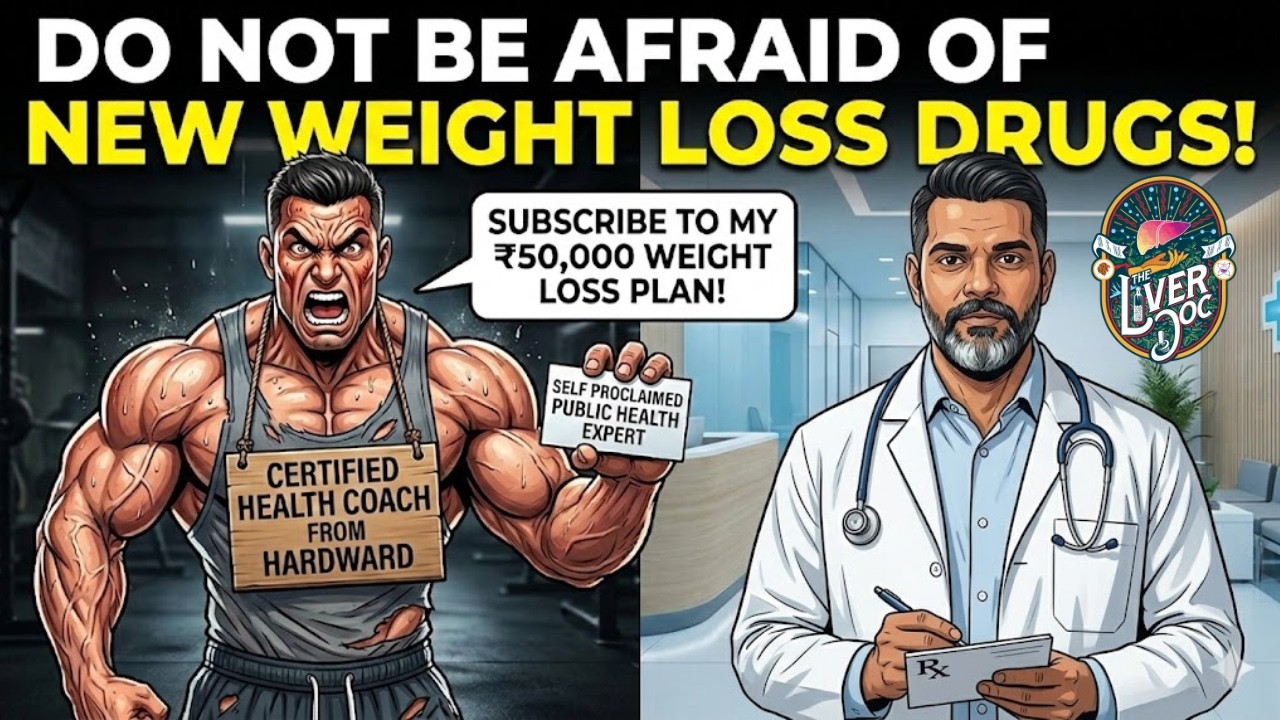
Future of Weight Loss Medicine | Fatty Liver | Obesity | Diabetes | Ozempic | Mounjaro | Fitness
The Liver Doc
Overview
This video explains the science behind GLP-1 receptor agonists, a class of drugs like Ozempic and Mounjaro, which have revolutionized the treatment of metabolic disorders such as obesity and type 2 diabetes. It details how these medications work by mimicking a natural gut hormone to regulate appetite, blood sugar, and slow digestion. The video highlights their proven effectiveness in significant weight loss, improving cardiovascular health, and benefiting organs like the liver and kidneys, moving beyond simple weight management to promoting longevity. It also addresses common myths and side effects, emphasizing the importance of consulting a doctor for appropriate use.
How was this?
Save this permanently with flashcards, quizzes, and AI chat
Chapters
- GLP-1 receptor agonists are a new class of weight loss and metabolic disorder medications that mimic a natural gut hormone.
- These drugs are significantly impacting traditional weight loss industries and are considered a major medical advancement.
- They are not experimental but have been studied for decades and are now available for prescription.
- The video aims to demystify these drugs and counter misinformation often spread on social media.
Understanding the fundamental nature and development of these drugs is crucial to appreciating their potential benefits and dispelling common fears or misconceptions.
The speaker contrasts the effectiveness of these new drugs with expensive subscription-based diet and fitness protocols, noting that the drugs often outperform these traditional methods.
- The body naturally produces GLP-1 hormone after eating, which signals the pancreas to release insulin, tells the brain to feel full, and slows stomach emptying.
- In individuals with metabolic diseases like obesity or diabetes, this natural GLP-1 process is disrupted, leading to poor appetite control and insulin issues.
- GLP-1 receptor agonists are synthetic versions of this hormone that restore these functions.
- They reduce hunger and cravings by acting on brain appetite centers, stimulate insulin release in a glucose-dependent manner, and slow digestion to promote longer feelings of fullness.
- A key benefit is the reduction of liver fat, which helps decrease liver inflammation and lowers the risk of severe fatty liver disease.
Knowing the mechanism of action helps learners understand why these drugs are effective for metabolic health and how they differ from older medications.
The drugs signal the brain to reduce hunger and cravings, slow down stomach emptying so you feel satisfied longer, and stimulate the pancreas to release insulin only when food is present, thus avoiding dangerously low blood sugar.
- Semaglutide (Ozempic for diabetes, Wegovy for weight management, Rybelsus oral form) is a prominent GLP-1 receptor agonist.
- Tirzepatide (Mounjaro for diabetes, Zepbound for weight loss) is a dual agonist, activating both GLP-1 and GIP receptors.
- Activating both GLP-1 and GIP receptors provides additional metabolic benefits not seen with GLP-1 alone.
Distinguishing between different medications and understanding unique properties like dual agonism helps learners grasp the evolving landscape of metabolic treatments.
Tirzepatide is highlighted as a dual agonist, meaning it works on two hormone receptors (GLP-1 and GIP), offering enhanced metabolic benefits compared to drugs that only target the GLP-1 receptor.
- Clinical trials demonstrate significant weight loss when GLP-1 agonists are added to lifestyle changes.
- The STEP trial showed semaglutide led to an average of 15-17% body weight loss over 68 weeks, compared to 2.4% with placebo.
- The SURMOUNT trial found tirzepatide resulted in an average loss of 22.5% body weight (approx. 52 lbs) over 72 weeks.
- The SURMOUNT-5 trial directly compared semaglutide and tirzepatide, with tirzepatide achieving 20.2% weight loss versus 13.7% for semaglutide.
- These medications are now endorsed by obesity guidelines due to their substantial impact.
Empirical data from large-scale trials provides concrete evidence of the drugs' efficacy in achieving substantial and clinically meaningful weight loss.
In the STEP trial, participants taking semaglutide lost an average of 15-17% of their body weight over 68 weeks, while the placebo group only lost 2.4%, despite both groups following the same diet and exercise plans.
- Losing even 5-10% of body weight significantly improves blood pressure, blood sugar, cholesterol, reduces liver fat, and alleviates joint pain and sleep apnea.
- A 15-20% weight loss can offer benefits comparable to bariatric surgery, including potential regression of liver fibrosis.
- The SELECT trial showed semaglutide reduced major adverse cardiovascular events (heart attacks, strokes) by 20% in patients with established heart disease and obesity, independent of weight loss.
- Tirzepatide has also shown a reduction in cardiovascular death risk by over 18%.
- These drugs improve liver health by resolving inflammation and fibrosis in conditions like metabolic dysfunction-associated steatohepatitis (MASH), leading to FDA approval for severe fatty liver disease.
- They also protect kidney function, reducing the risk of chronic kidney disease and failure, as demonstrated in the FLOW trial for semaglutide.
These benefits underscore that GLP-1 agonists are multi-system therapies addressing critical health risks associated with obesity and metabolic disorders, not just cosmetic weight loss tools.
The SELECT trial demonstrated that semaglutide reduced the risk of heart attacks and strokes by 20% in overweight or obese individuals with existing heart disease, even if they didn't lose significant weight.
- Common side effects are gastrointestinal (nausea, vomiting, diarrhea, constipation) but are typically mild, moderate, and self-limiting, managed by gradual dose increases.
- Serious concerns like pancreatitis and thyroid cancer are very rare.
- Pancreatitis risk is not significantly increased beyond the baseline risk already present in patients with diabetes or high lipids.
- Thyroid cancer has only been documented in mice, not humans; a black box warning exists for individuals with a history of medullary thyroid cancer or specific genetic syndromes.
- Gallbladder disease risk is linked to rapid weight loss itself, not directly to the drugs.
- Reports of blindness are rare and likely due to severe blood sugar fluctuations, not a direct drug effect.
- There is no evidence that these drugs increase depression or suicidal thoughts; some studies suggest improved cognitive function.
Understanding potential side effects and their actual incidence and manageability is crucial for informed decision-making and countering fear-mongering.
While pancreatitis is a documented concern, the risk is not significantly higher than in patients with pre-existing conditions like diabetes, and it's often related to the underlying disease rather than solely the medication.
- Obesity is a chronic disease driven by biological factors, not laziness; these drugs correct biological dysfunction, not serve as a 'vanity drug'.
- The claim that these drugs cause thyroid cancer in humans is unfounded; the black box warning applies only to high-risk individuals.
- Muscle loss ('Ozempic body') can occur with any significant calorie deficit but can be managed with adequate protein intake and resistance training.
- The 'chemical' or 'lab-made' nature of the drugs is not a valid reason for fear; everything is chemical, and these synthesized molecules are identical to natural ones.
- Natural alternatives like berberine have no evidence of replicating the effects of GLP-1 agonists, and some 'natural' supplements can be harmful.
- These drugs are not new or untested; they have decades of research and clinical use behind them.
- Weight regain after stopping the medication is common, similar to other chronic disease management, indicating the need for long-term or continuous treatment.
- Social media content about these drugs is often created by non-medical professionals and is of poor quality and reliability.
Critically evaluating information, especially from non-medical sources, is vital to making informed health decisions and avoiding harmful misinformation.
The myth that GLP-1 drugs cause 'Ozempic body' or significant muscle loss is debunked by explaining that any substantial weight loss can lead to some lean mass reduction, which is manageable with proper nutrition (high protein) and resistance exercise, not unique to these drugs.
- These medications are not standalone treatments and require a doctor's prescription; they are intended for specific disease populations, not cosmetic use.
- They must be used in conjunction with lifestyle changes (diet, exercise).
- Candidates include adults with type 2 diabetes, obesity (BMI ≥ 30), overweight individuals (BMI ≥ 27) with at least one weight-related complication (e.g., hypertension, high cholesterol), adults with established heart disease and overweight/obesity, adults with type 2 diabetes and chronic kidney disease, and adults with severe metabolic liver disease (MASH/NASH).
- The benefits of these drugs in managing chronic diseases and promoting longevity substantially outweigh their manageable risks.
- Consulting a doctor is essential to determine candidacy and ensure safe, effective use.
This chapter provides clear guidance on the appropriate use and patient profile for these powerful medications, reinforcing the importance of medical supervision.
Adults with a BMI of 27 or higher who also have a condition like high blood pressure, high cholesterol, or diabetes are considered candidates for these medications, provided they consult with their doctor.
Key takeaways
- GLP-1 receptor agonists are powerful tools for managing metabolic disorders like obesity and type 2 diabetes by mimicking natural hormones to regulate appetite and blood sugar.
- These medications offer significant benefits beyond weight loss, including improved cardiovascular health, kidney function, and liver health, contributing to overall longevity.
- While common side effects like nausea exist, they are typically manageable, and serious risks are rare and often comparable to or less than the risks of untreated metabolic diseases.
- Obesity is a complex chronic disease, and GLP-1 agonists address its biological drivers, making them a vital intervention rather than a shortcut for the lazy.
- Misinformation about these drugs is rampant on social media; always rely on evidence-based information and consult a healthcare professional for accurate guidance.
- These drugs are not a magic bullet but part of a comprehensive treatment plan that includes lifestyle modifications like diet and exercise.
- The benefits of GLP-1 agonists in managing chronic diseases and improving long-term health outcomes significantly outweigh their manageable risks for appropriate patient populations.
Key terms
GLP-1 receptor agonistsSemaglutideTirzepatideOzempicMounjaroWegovyZepboundMetabolic dysfunctionType 2 DiabetesObesityCardiovascular healthFatty liver disease (NAFLD/NASH/MASH)Chronic kidney diseasePancreatitisDual agonistGIP receptor
Test your understanding
- How do GLP-1 receptor agonists work in the body to affect appetite and blood sugar levels?
- What are the primary clinical benefits of medications like Ozempic and Mounjaro beyond weight loss, particularly concerning organ health?
- What is the difference between semaglutide and tirzepatide, and why might a dual agonist offer additional advantages?
- What are the most common side effects associated with GLP-1 receptor agonists, and how are they typically managed?
- Who are the recommended candidates for GLP-1 receptor agonist therapy, and why is medical supervision essential?