5:04
Growth Mindset vs. Fixed Mindset
Sprouts
Overview
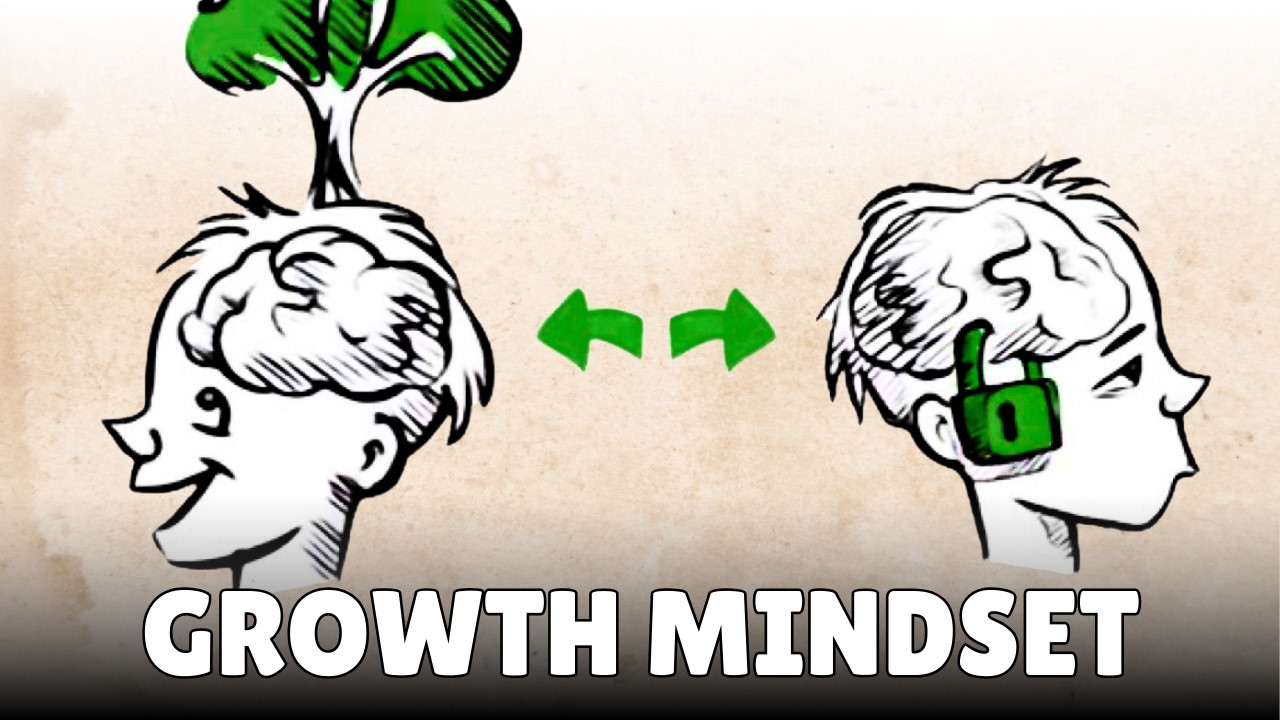
This video explores the concepts of fixed and growth mindsets, drawing on the work of Dr. Carol Dweck. A fixed mindset assumes basic qualities like intelligence are unchangeable, leading to avoidance of challenges and fear of failure. Conversely, a growth mindset believes abilities can be developed through dedication and hard work, fostering a love for learning and embracing challenges as opportunities for growth. The video illustrates these differences with examples and highlights the importance of celebrating effort and embracing feedback for cultivating a growth mindset, noting its benefits in personal development, leadership, and even in modern workplaces.
How was this?
Save this permanently with flashcards, quizzes, and AI chat
Chapters
- A fixed mindset views core abilities like intelligence as innate and unchangeable, leading individuals to avoid challenges to protect their perceived status.
- A growth mindset believes abilities can be developed through dedication and hard work, fostering a love for learning and seeing challenges as opportunities.
- People with a fixed mindset often focus on validating past achievements, while those with a growth mindset are driven by the journey of learning and self-improvement.
Understanding these two mindsets is crucial because it explains why some people embrace challenges and learn from setbacks, while others shy away from them, significantly impacting their potential for development and success.
Individuals with a fixed mindset avoid difficult tasks for fear of appearing unintelligent, whereas those with a growth mindset see these tasks as chances to learn and improve.
- Dr. Carol Dweck suggests celebrating effort and the process of trying, rather than solely focusing on outcomes or grades.
- Encouraging the pursuit of new skills and interests helps individuals develop the meta-skill of learning itself.
- Embracing feedback, even criticism, is essential for growth, as it provides specific areas for improvement without personalizing the critique.
Actively fostering a growth mindset by celebrating effort and embracing feedback can lead to greater resilience, a deeper love for learning, and ultimately, more significant personal and academic achievements.
A teacher applauding a student for studying hard, regardless of the grade received, reinforces the value of effort and learning.
- Jay, with a fixed mindset, avoids physical challenges like a vaulting horse for fear of failure and takes the easy route, like escalators.
- Ann, with a growth mindset, embraces challenges, understands that failure is part of learning, and actively seeks opportunities to improve, like practicing the drums.
- Ann sees others' success as inspiration and a chance for her own growth, while Jay feels threatened by others' achievements.
These contrasting examples vividly illustrate how a fixed versus growth mindset influences daily choices, reactions to difficulty, and social interactions, shaping an individual's approach to life's opportunities.
Jay stops practicing guitar when he gets stuck, while Ann persists with her drum practice daily, understanding that effort leads to progress and enjoyment.
- Modern companies actively seek employees with a growth mindset because they are persistent problem-solvers who thrive despite obstacles.
- Interview questions, such as whether managers are born or made, can reveal an applicant's underlying mindset.
- Neuroscience supports the growth mindset, showing that the brain develops and strengthens with practice, much like a muscle.
The recognition of the growth mindset's value in professional settings and its validation by scientific research underscore its profound impact on career success and cognitive development.
A company hiring Ann, who believes management is a learned skill (growth mindset), over Jay, who believes managers are born (fixed mindset), demonstrates the practical application of this concept in recruitment.
Key takeaways
- Believing your abilities can be developed through effort is the cornerstone of a growth mindset.
- Challenges are opportunities for learning and growth, not indicators of fixed limitations.
- Effort and persistence are key drivers of success and skill development.
- Constructive criticism is a valuable tool for improvement, not a personal attack.
- Embracing failure as a part of the learning process leads to greater resilience.
- A growth mindset fosters a love for learning and a positive outlook on life's journey.
- Celebrating effort over innate talent encourages a more robust learning environment.
Key terms
Fixed MindsetGrowth MindsetAbilitiesIntelligenceTalentsEffortPracticeChallengesFeedbackLearning
Test your understanding
- What are the core beliefs that differentiate a fixed mindset from a growth mindset?
- How does a growth mindset encourage a love for learning and personal development?
- Why is embracing challenges and feedback important for cultivating a growth mindset?
- What are the practical implications of having a growth mindset in professional environments?
- How does neuroscience support the concept that abilities can be developed through practice?