23:05
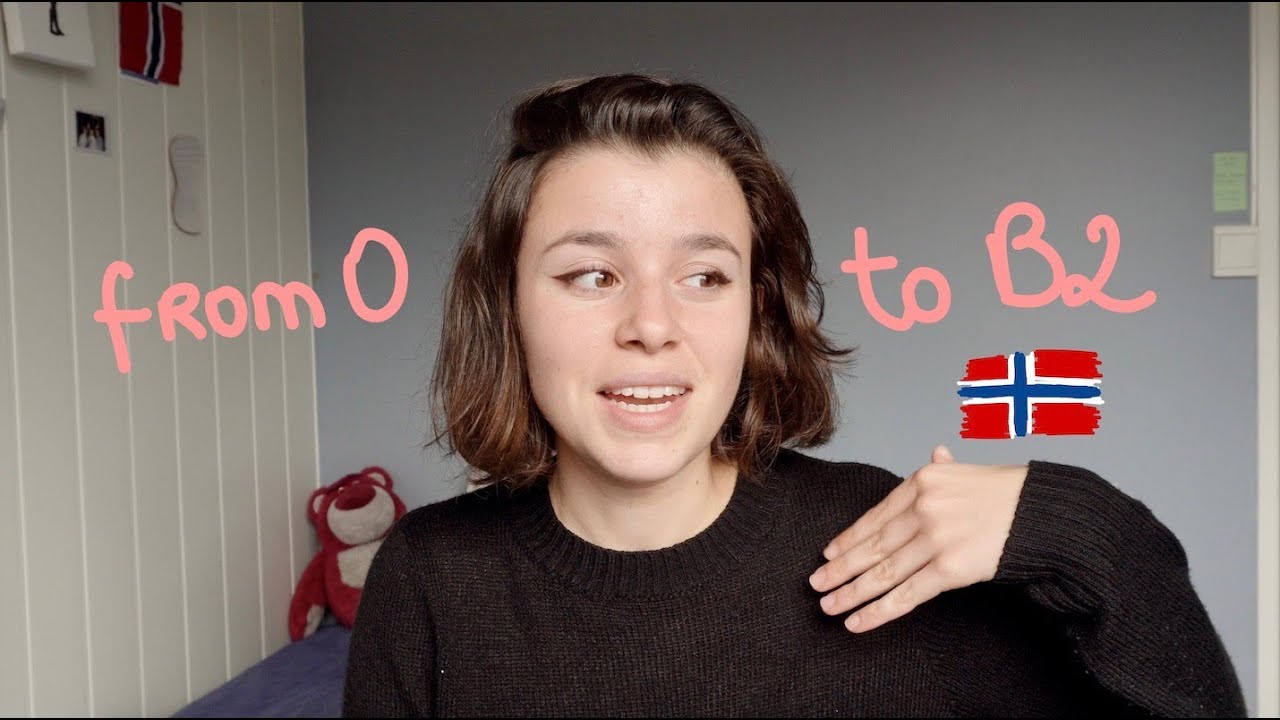
How I learnt Norwegian on my own
Norwegian with Ilys
Overview
This video outlines a self-taught approach to learning Norwegian, emphasizing motivation and mimicking childhood language acquisition. The speaker shares practical strategies, including extensive listening, repeating phrases from media, contextual vocabulary learning, and creative writing exercises. The core philosophy is to immerse oneself in the language naturally, focusing on understanding and speaking rather than rote grammar drills, though later acknowledging the value of formal grammar study. The speaker highlights the importance of consistent practice, speaking aloud, and embracing mistakes to build fluency and confidence.
How was this?
Save this permanently with flashcards, quizzes, and AI chat
Chapters
- High motivation is crucial for language learning, differentiating self-study from classroom experiences.
- Setting a clear, ambitious goal, like speaking like a native, fuels sustained effort.
- Understanding the 'why' behind learning a language significantly impacts the learning journey.
Understanding your core motivation helps you stay committed through the challenges of language acquisition.
Comparing learning Spanish in school with no real need to speak it versus learning Norwegian to move to Norway, highlighting the difference in intrinsic motivation.
- Mimic how children learn by prioritizing listening before speaking.
- Maximize exposure to the language through passive listening during daily activities.
- Repetition of content, like books or scenes, aids in internalizing language patterns and expressions.
This approach leverages natural learning processes, making language acquisition feel more intuitive and less like academic study.
Listening to Norwegian podcasts while cleaning or playing games, and re-reading the same book or watching the same movie scenes repeatedly to absorb vocabulary and sentence structures.
- Learn vocabulary within meaningful sentences rather than isolated words.
- Create personal sentence lists using frequently encountered or desired words.
- Regularly reading these sentence lists aloud reinforces memory and pronunciation.
Learning words in context helps you understand their usage and remember them more effectively, enabling practical application.
Taking sentences containing useful words from media, writing them down, and practicing them daily to internalize vocabulary and sentence construction.
- Use phonetic approximations and visual cues (like arrows for emphasis) to remember pronunciation.
- Combine reading with listening to audiobooks to improve pronunciation and reading speed.
- Focus on the melody and rhythm of the language by listening to native speakers.
Accurate pronunciation and rhythm are key to being understood and sounding more natural, which boosts confidence.
Writing down how words sound phonetically and using visual aids like arrows to mark stress, or listening to an audiobook while following the text.
- Initially, focus on acquiring language intuitively through exposure and practice, bypassing explicit grammar rules.
- Grammar rules can be learned later to refine understanding and accelerate progress.
- Formal grammar study can be beneficial for reaching advanced levels, even if not the primary learning method.
Understanding when and how to incorporate grammar study can optimize your learning path, preventing early discouragement.
The speaker initially avoided grammar exercises but later found grammar books helpful for advancing their Norwegian proficiency.
- Write your own sentences and stories to actively use learned vocabulary and structures.
- Utilize tools like Google Translate strategically for sentence construction and comparison.
- Memorizing personal stories helps internalize grammar, vocabulary, and pronunciation for fluent speech.
Actively creating content solidifies learning and builds confidence in producing the language independently.
Writing a description of one's day in Norwegian, translating it, and then comparing the original and translated versions, or memorizing entire stories to speak fluently.
- Practice speaking to yourself regularly to build confidence and fluency.
- Engage in self-talk to experiment with pronunciation and sentence construction without fear of judgment.
- Use imagination and descriptive tasks (like describing pictures) to generate spontaneous speech.
Consistent speaking practice, even alone, is essential for developing confidence, improving accent, and achieving natural-sounding speech.
Imagining you are the best Norwegian speaker while talking to yourself about your day or describing a picture, focusing on daring to use the accent.
- Language learning is a gradual process; visible progress may not be immediate.
- Consistent effort, even when results aren't obvious, leads to improvement.
- Finding a personalized method that works for you is key to long-term success.
Recognizing that progress is often non-linear helps maintain motivation and encourages continued effort.
Trusting the process and continuing to practice even when you feel stuck, knowing that improvement is happening internally.
Key takeaways
- Motivation is the most critical factor in successful self-directed language learning.
- Imitate natural language acquisition by prioritizing listening and repetition over explicit grammar rules initially.
- Learning vocabulary in context through sentences and personal stories is more effective than memorizing isolated words.
- Consistent, active practice, including speaking aloud and writing, is essential for fluency and confidence.
- Don't be afraid to make mistakes; they are a natural and necessary part of the learning process.
- Memorizing and reciting full sentences or stories can significantly improve pronunciation, accent, and speaking speed.
- Finding joy and personal relevance in the learning material enhances engagement and retention.
Key terms
MotivationLanguage AcquisitionImmersionContextual LearningActive RecallPronunciationAccentFluencySelf-TalkGrammar Drills
Test your understanding
- How does intrinsic motivation differ from extrinsic motivation in language learning, and why is it more effective?
- Describe the 'learning like a child' approach and explain its key components.
- What strategies can be used to learn and retain vocabulary effectively?
- How can actively writing and speaking, even to oneself, improve language proficiency and confidence?
- Why is it important to embrace mistakes and view them as learning opportunities in language acquisition?