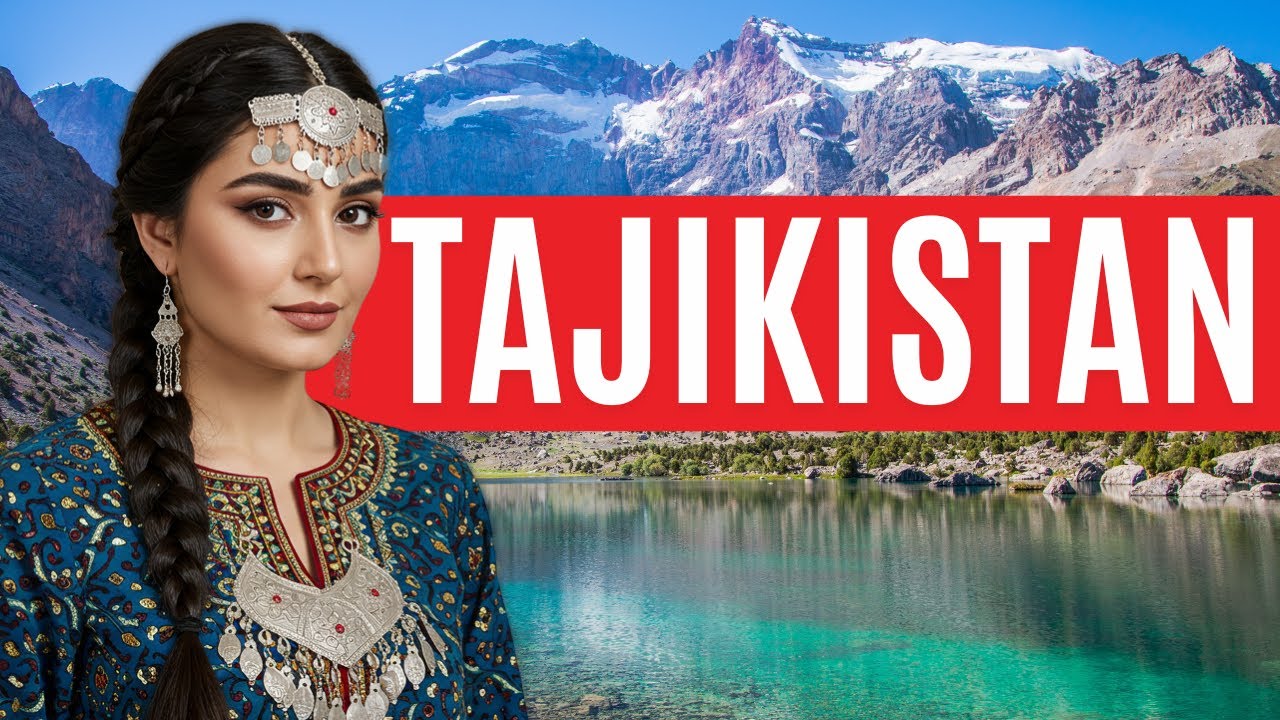
Tajikistan Explained in 15 Minutes | History, Geography, Culture
Opentiera
Overview
Tajikistan, a Central Asian nation, is explored through its history, geography, and culture. Once a crossroads for ancient empires and trade routes, it has been shaped by Persian, Turkic, and Russian influences, culminating in its Soviet-era formation and post-independence civil war. Despite economic challenges, including reliance on remittances and widespread corruption, the country possesses significant natural resources and potential for growth, particularly in hydropower and tourism. Its mountainous terrain dictates life, fostering a rich biodiversity and unique cultural expressions in literature, music, dance, and traditional attire. The video highlights the nation's resilience amidst political and economic struggles, emphasizing its enduring cultural identity.
Save this permanently with flashcards, quizzes, and AI chat
Chapters
- Tajikistan's history spans over 4,000 years, with early civilizations leaving archaeological evidence.
- The region was part of the first Persian Empire around 500 BC and later flourished under the Persian Samanid Empire (9th-10th centuries), a golden age for science and culture.
- Centuries of Turkic dominance followed the Samanid decline, with Tajik lands eventually incorporated into the Emirate of Bukhara.
- Russian imperial expansion in the 1860s-1870s brought Tajik lands under Tsarist rule.
- Following the 1917 Russian Revolution, indigenous Basmachi fighters resisted Soviet control, which was fully re-established by 1925.
- The Tajik Autonomous Soviet Socialist Republic was formed in 1924, initially under the Uzbek SSR, before becoming its own republic in 1929.
- Soviet-era borders created lasting ethnic enclaves, with significant Uzbek populations in Tajikistan and Tajik populations in Uzbekistan.
- Tajikistan gained independence in 1991 following the collapse of the Soviet Union.
- Independence was followed by a devastating civil war (1992-1997) fueled by political, regional, and religious factions, particularly in the eastern Pamirs.
- Russian troops supported government forces, leading to a peace agreement and the rise of President Emomali Rahmon, who has been in power since 1994.
- Rahmon's rule has been characterized by consolidated power, with elections often marred by irregularities and the banning of opposition parties.
- Recent political developments suggest a potential succession plan involving Rahmon's son, Rustam Emomali.
- Tajikistan remains the poorest country in the former Soviet bloc, heavily reliant on remittances from migrant workers in Russia and Kazakhstan, which constitute nearly half of its GDP.
- Despite significant GDP growth and a reduction in poverty rates, the economy remains fragile and vulnerable to external shocks.
- Widespread corruption and the drug trade from neighboring Afghanistan contribute to regional instability.
- Untapped potential exists in hydropower, tourism, and a young population, but requires a shift towards a private sector-driven economy.
- Digital infrastructure is underdeveloped, with limited internet access (41% of households in 2023) and slow speeds, particularly in rural areas.
- The government has launched several strategies to modernize, including initiatives for a digital economy, AI, and e-commerce, declaring 2025-2030 the decade of digital development.
- Investing in internet access, digital skills, and startups could boost productivity, improve services, and create jobs.
- Achieving digital transformation requires significant investment, better regulations, and genuine political will beyond policy papers.
- Over 90% of Tajikistan's territory is mountainous, with nearly half above 10,000 feet, including some of Central Asia's tallest peaks like Ismoil Somoni Peak (7,495m).
- Active tectonic forces shape the landscape, making the region prone to earthquakes.
- Fertile valleys like Fergana, Gissar, and Vakhsh are crucial for population centers and agriculture, though they comprise less than 10% of the land area.
- Stunning alpine lakes (e.g., Iskanderkul, Sarez Lake) and large reservoirs for hydropower (e.g., Nurek) are significant geographical features.
- The climate varies drastically, from scorching hot summers in valleys (up to 40°C) to extremely cold, dry winters in high mountains (-46°C).
- Despite harsh conditions, Tajikistan boasts rich biodiversity, including snow leopards, brown bears, Marco Polo sheep, and over 5,000 species of flowering plants.
- Limited tourism infrastructure hinders access to its breathtaking landscapes, such as the Fan Mountains and Pamirs.
- The potential for world-class trekking, unique alpine experiences, and attracting tourists remains largely untapped.
- Tajik culture is a blend of ancient Persian roots, Islamic influences, Soviet legacy, and local customs, deeply connected to the land.
- Literature and poetry, inspired by Persian traditions, feature revered poets like Rudaki and Firdowsi, with a new generation emerging online.
- Music, particularly the ancient Shashmaqom style, and dance, which often tells stories through movement, are vital cultural expressions.
- Traditional clothing is vibrant and regionally diverse, while sports like Buzkashi (a horseback game) and traditional wrestling (Gushtingiri) are integral to national identity.
Key takeaways
- Tajikistan's history is a complex tapestry woven from ancient empires, Soviet rule, and post-independence conflict, shaping its modern identity.
- The nation's economy is highly vulnerable due to its dependence on remittances and faces significant challenges from corruption.
- Despite economic hardships, Tajikistan possesses immense natural wealth, particularly in hydropower and stunning mountain landscapes ripe for tourism.
- The Soviet-era borders have created lasting ethnic complexities that continue to influence regional relations.
- Digital transformation is a key strategic goal for Tajikistan, offering a path to modernization and economic diversification.
- The country's culture is a vibrant fusion of Persian, Islamic, and local traditions, expressed powerfully through its literature, music, and dance.
- Tajikistan's dramatic mountainous geography is central to its identity, influencing its climate, biodiversity, and the way of life for its people.
Key terms
Test your understanding
- How did the legacy of the Samanid Empire influence Tajikistan's national identity?
- What were the primary causes and consequences of the Tajik Civil War?
- Explain the economic vulnerabilities Tajikistan faces and how remittances impact its GDP.
- How does Tajikistan's mountainous geography influence its climate, resources, and potential for tourism?
- What are the main challenges and opportunities associated with Tajikistan's push for digital transformation?