The Self-Publishing Checklist Every Author Needs in 2026
Heart Breathings
Overview
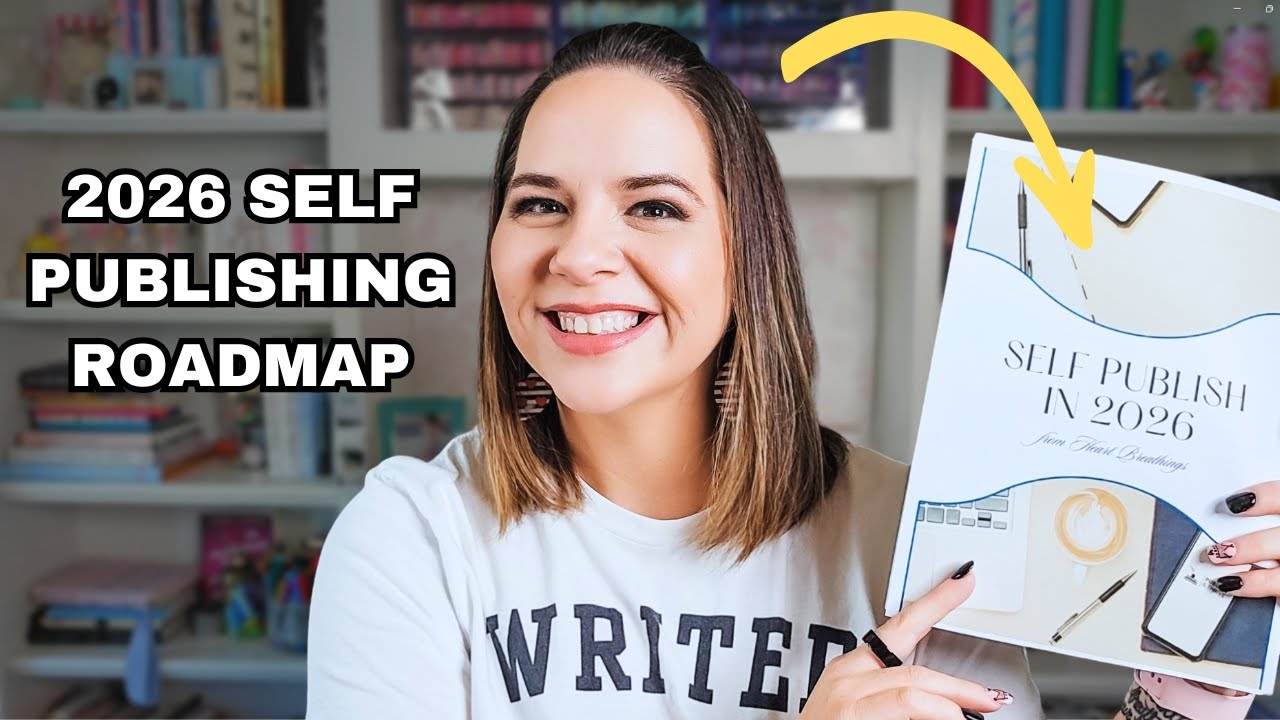
This video provides a comprehensive 12-step roadmap for authors looking to self-publish their books, emphasizing strategic decision-making and practical execution. It covers everything from defining personal goals and writing a compelling book to the technical aspects of formatting, metadata, and publishing accounts. The presenter, an experienced author, stresses the importance of understanding genre, hiring editors, building a brand, and creating an eye-catching cover. The guide also touches on business structures, publishing platforms, and the ongoing need for marketing and promotion, offering a structured approach to navigating the complexities of the self-publishing industry.
Save this permanently with flashcards, quizzes, and AI chat
Chapters
- Identify your personal objectives for your author career, such as community, speed of release, income, or full-time commitment.
- Recognize that different paths to success exist, and the 'best' path aligns with your individual goals.
- Consider what success looks like to you and how much income and output are sustainable.
- Write the best book you can with your current skills, regardless of genre.
- Deeply understand your book's genre and subgenre to effectively target readers.
- Knowing reader preferences within your genre informs crucial decisions like cover design, title, and blurb.
- Hiring editors is crucial, though budget constraints may necessitate self-editing or using critique groups initially.
- Understand the three main types of editors: developmental (plot, consistency), line (sentence-level flow), and proofreader (final polish).
- Prioritize editing quality within your budget, aiming for a balance that allows for publishing future books.
- Create a publishing strategy considering timelines (e.g., pre-orders, rapid release), distribution channels (exclusive to Amazon vs. wide distribution), and format releases (ebook, paperback, audiobook).
- Define your author brand, including your online presence, tone, and how you want readers to perceive you.
- Decide on your marketing approach, such as social media engagement or paid advertising, based on your goals and resources.
- Proactively build an audience before your book launch through an author website, newsletter, and social media presence.
- Offer a 'reader magnet' (e.g., a free short story, bonus chapter) to incentivize newsletter sign-ups.
- Focus on discoverability by establishing where readers will find you and how you will connect with them.
- Your book cover must instantly convey the genre and tone to attract the target reader.
- Research current market trends for book covers within your specific genre.
- Consider options like pre-made covers or custom design, balancing quality with budget to avoid overspending on the first book.
- Set up your business structure (sole proprietor, LLC, etc.) and obtain necessary tax IDs before creating publishing accounts.
- Understand the banking and payment requirements for your country and chosen platforms.
- Sign up for retailer accounts (e.g., Amazon KDP, Apple Books) or use aggregators (e.g., Draft2Digital) for distribution.
- Meticulously manage all book metadata, including title, description, keywords, categories, and ISBNs, ensuring consistency across platforms.
- Choose the correct file formats for different publication types (e.g., EPUB for ebooks, PDF for print).
- Utilize formatting tools (like Vellum, Atticus, or free web-based options) or hire professionals, and strategically plan your book's back matter for marketing.
- Upload your formatted book files to your chosen publishing platforms, utilizing pre-orders or direct publishing options.
- Conduct a thorough quality control check by purchasing and reviewing your own book on each platform immediately after publication.
- Implement a continuous marketing and promotion strategy, leveraging reviews, ads, collaborations, and new releases to maintain visibility.
Key takeaways
- Self-publishing success is built on strategic decision-making aligned with personal author goals.
- A deep understanding of your genre and target audience is critical for writing, cover design, and marketing.
- Professional editing is a worthwhile investment in the quality and marketability of your book.
- Building an author platform and audience before launch significantly boosts a book's initial impact.
- Your book cover and title are the primary tools for capturing a reader's attention in a crowded marketplace.
- Establishing a proper business structure and managing metadata accurately are foundational for professional publishing.
- Formatting and metadata consistency are key to ensuring your book is discoverable and displays correctly across all platforms.
- Publishing is just the beginning; continuous marketing and releasing more books are essential for a sustainable author career.
Key terms
Test your understanding
- What are the key differences between developmental, line, and proofreading editors, and when is each type most appropriate?
- Why is understanding your book's genre and target audience so crucial before you even start writing?
- How can an author build brand awareness and an audience before their book is officially published?
- What is metadata, and why is maintaining its consistency across different publishing platforms so important?
- What are the essential components of a book's back matter, and how can they be used for marketing?