3:25
Ethos, Pathos, & Logos: How to Use Persuasive Ad Techniques
StudioBinder
Overview
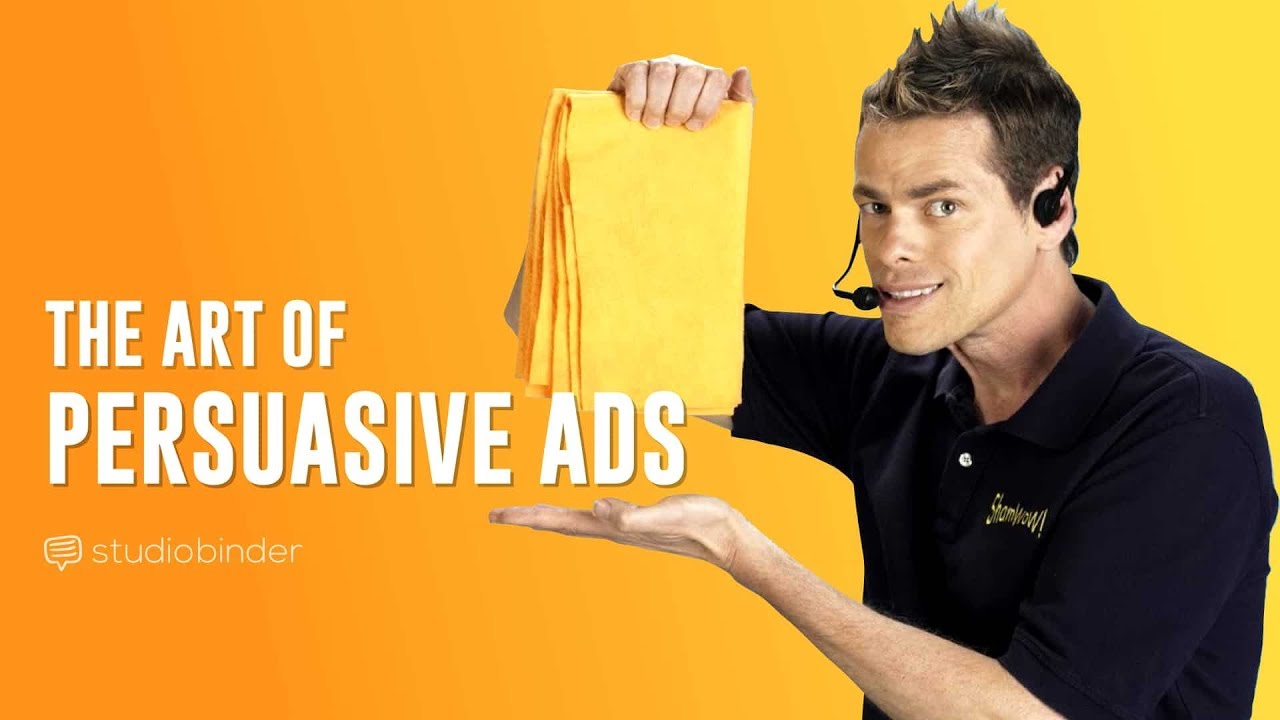
This video demonstrates persuasive advertising techniques by showcasing various commercials. It highlights how ads leverage ethos (credibility), pathos (emotion), and logos (logic) to influence consumer choices. Examples range from food and personal care products to automobiles and health supplements, illustrating how different appeals are used to connect with audiences and drive purchasing decisions.
How was this?
Save this permanently with flashcards, quizzes, and AI chat
Chapters
- Advertisements use specific techniques to persuade viewers.
- Ethos, pathos, and logos are the three main categories of persuasive appeals.
- Understanding these appeals helps in analyzing and creating effective ads.
Recognizing these core persuasive strategies allows you to critically evaluate the messages you encounter daily and understand the underlying psychology of marketing.
The video implicitly introduces these concepts by showing various ads without explicitly naming them, setting the stage for understanding how they work.
- Ethos relies on establishing the credibility, authority, or trustworthiness of the source.
- This can be achieved through endorsements from experts or celebrities.
- Appeals to shared values or a sense of responsibility also build ethos.
When an ad establishes credibility, you are more likely to believe its claims and be influenced by its message.
Martin Scorsese introducing his MasterClass uses his established reputation as a filmmaker to lend authority to his teaching.
- Pathos aims to evoke an emotional response in the audience.
- Advertisers use emotions like happiness, fear, nostalgia, or desire to connect with viewers.
- Stories and imagery are powerful tools for creating emotional resonance.
Understanding how ads manipulate emotions helps you recognize when your feelings are being targeted, allowing for more rational decision-making.
The ad showing a child's first day of school and parental reassurance taps into feelings of care, responsibility, and the desire for a child's well-being.
- Logos appeals to the audience's sense of logic and reason.
- This often involves presenting facts, statistics, evidence, or logical arguments.
- Demonstrating efficiency, superiority, or a clear benefit supports a logical appeal.
By presenting logical arguments, ads aim to convince you that a product or service is the rational choice, backed by evidence.
The Crest Whitestrips ad claims they are 'proven to be safe and effective' and 'whiten 25 times better than a leading whitening toothpaste,' using comparative data.
- Most effective ads combine multiple persuasive appeals.
- Different products or target audiences may require a different balance of ethos, pathos, and logos.
- The goal is to create a compelling message that resonates on multiple levels.
Recognizing how these appeals are blended allows you to see the sophisticated strategies advertisers use to make their messages impactful and memorable.
The TrueCar ad uses a logical appeal (finding a car, competitive offers) combined with an implicit emotional appeal of ease and satisfaction in the car-buying process.
Key takeaways
- Persuasive advertising relies on three core appeals: ethos (credibility), pathos (emotion), and logos (logic).
- Ethos is built through authority, expertise, or trustworthiness.
- Pathos connects with audiences by evoking feelings and emotions.
- Logos uses facts, data, and reasoning to make a case.
- Effective advertisements often blend these appeals to maximize their impact.
- Understanding these techniques empowers you to critically analyze marketing messages.
- Advertisers aim to influence your decisions by appealing to your sense of trust, emotion, and reason.
Key terms
EthosPathosLogosPersuasionAdvertisingCredibilityEmotional AppealLogical AppealEndorsementTarget Audience
Test your understanding
- How does an advertiser use ethos to make their product seem trustworthy?
- What emotional responses might an advertisement aim to evoke using pathos?
- In what ways can an advertisement employ logos to convince a consumer?
- Why is it important to recognize the blend of ethos, pathos, and logos in advertising?
- How can understanding persuasive techniques help you make more informed purchasing decisions?