9:30
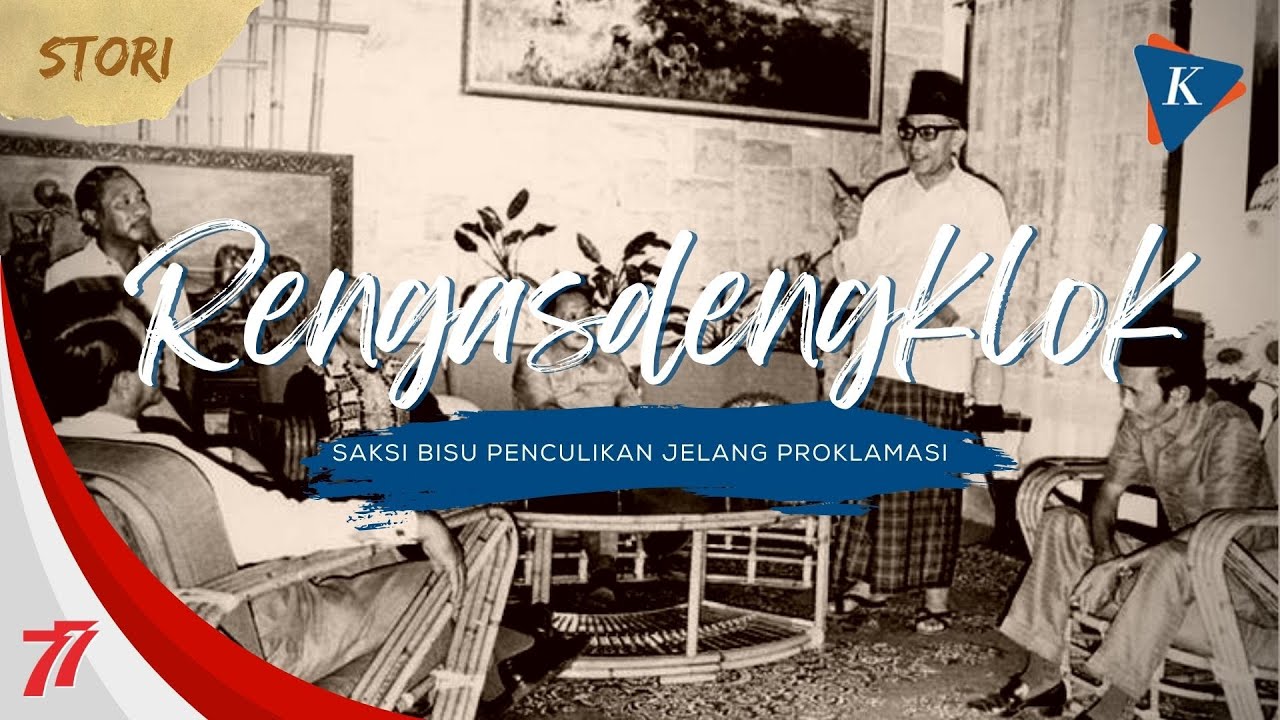
Rengasdengklok, Tonggak Awal Kemerdekaan Indonesia
Kompas.com
Overview
This video explains the Rengasdengklok incident, a pivotal event leading up to Indonesia's Proclamation of Independence on August 17, 1945. It details the conflict between the older generation (golongan tua) and the younger generation (golongan muda) regarding the timing of the proclamation after Japan's surrender. The younger generation, fearing Japanese influence and wanting immediate independence, took Sukarno and Hatta to Rengasdengklok. This action ultimately led to the agreement to proclaim independence, culminating in the historic event at Pegangsaan Timur.
How was this?
Save this permanently with flashcards, quizzes, and AI chat
Chapters
- Indonesia's independence proclamation on August 17, 1945, is directly linked to the Rengasdengklok incident.
- The Rengasdengklok incident involved the 'younger generation' leaders, led by Chairul Saleh, abducting Sukarno and Hatta on August 16, 1945.
- The abduction aimed to remove Sukarno and Hatta from Japanese influence and pressure them to declare independence immediately.
- Japan's defeat in World War II created a power vacuum and heightened tensions between the 'older generation' and 'younger generation' regarding the timing of the proclamation.
Understanding the Rengasdengklok incident is crucial because it highlights the internal dynamics and differing strategies among Indonesian leaders that shaped the immediate path to independence.
The younger generation, led by Chairul Saleh, abducted Sukarno and Hatta to Rengasdengklok.
- The 'older generation,' including Sukarno and Hatta, favored proclaiming independence through the PPKI (Preparatory Committee for Indonesian Independence), a body established by the Japanese.
- The 'younger generation,' having learned of Japan's unconditional surrender through clandestine radio broadcasts, urged for an immediate proclamation.
- Sutan Syahrir, upon hearing of Japan's surrender, pressed Sukarno and Hatta to declare independence without delay.
- Sukarno, as chairman of PPKI, felt obligated to consult with the committee before making such a significant decision, leading to a deadlock.
This chapter illustrates the critical ideological and strategic differences that nearly derailed the independence movement, emphasizing the urgency felt by some versus the caution of others.
Sutan Syahrir heard news of Japan's surrender via secret radio and urged Sukarno and Hatta to proclaim independence immediately.
- A meeting on August 15, 1945, led by Chairul Saleh, concluded that independence was the people's decision, not Japan's.
- Younger generation representatives, Wikana and Darwis, met with Sukarno and Hatta on August 15th, demanding the proclamation be made on August 16th.
- They threatened a major uprising if Sukarno and Hatta refused to comply.
- When Sukarno and Hatta rejected the demand, citing their commitment to the PPKI, the younger generation decided to take them to Rengasdengklok to isolate them from Japanese influence.
This section explains the direct actions taken by the younger generation to force the issue, demonstrating their determination and the high stakes involved.
Wikana and Darwis were sent to meet Sukarno and Hatta, demanding the proclamation be made on August 16th.
- In Rengasdengklok, Sukarno agreed to proclaim independence after returning to Jakarta, following discussions with Sudanco Singgih.
- Both the older and younger generations agreed that the proclamation should be made in Jakarta by Sukarno.
- Ahmad Soebardjo played a crucial role in escorting Sukarno and Hatta back to Jakarta, guaranteeing the proclamation's execution.
- The leaders convened at Admiral Maeda's house to draft the proclamation text.
- Sukarno wrote the initial draft, which was then revised and typed by Sayuti Melik, changing 'representatives of the Indonesian people' to 'the Indonesian nation'.
This chapter shows how the Rengasdengklok incident, despite its dramatic nature, ultimately facilitated a resolution and led to the creation of the official Proclamation text.
Sukarno, Hatta, and others gathered at Admiral Maeda's house to draft and finalize the text of the Proclamation of Independence.
- Following the Rengasdengklok events, it was agreed that the Proclamation of Independence would be announced by August 17, 1945, at noon.
- The Proclamation of Indonesian Independence was officially read by Sukarno at 10:00 AM on August 17, 1945, at Pegangsaan Timur 56, Jakarta.
- Rengasdengklok stands as a testament to the initial steps towards Indonesia's freedom after years of colonial rule.
This final chapter marks the successful culmination of the events, establishing the official date and time of Indonesia's declaration of sovereignty.
The Proclamation of Indonesian Independence was read by Sukarno at Jalan Pegangsaan Timur No. 56, Jakarta, on August 17, 1945.
Key takeaways
- The Rengasdengklok incident was a critical intervention by the younger generation to accelerate Indonesia's independence.
- Disagreements between older and younger generations over the timing and method of proclamation nearly jeopardized independence.
- The abduction to Rengasdengklok served as a catalyst, forcing a resolution and commitment to the proclamation.
- The drafting of the proclamation involved key figures and significant revisions, including the crucial change in authorship from specific representatives to the nation itself.
- The events leading up to August 17, 1945, demonstrate the complex interplay of political pressure, negotiation, and decisive action in achieving national sovereignty.
- Rengasdengklok symbolizes a turning point where Indonesian leaders took direct action to seize their independence.
Key terms
RengasdengklokProklamasi Kemerdekaan IndonesiaGolongan MudaGolongan TuaSukarnoHattaChairul SalehSutan SyahrirPPKILaksamana MaedaSayuti Melik
Test your understanding
- What was the primary objective of the younger generation in orchestrating the Rengasdengklok incident?
- Why did Sukarno and Hatta initially hesitate to proclaim independence immediately after Japan's surrender?
- How did the differing opinions between the 'older' and 'younger' generations on the proclamation's timing create conflict?
- What role did Ahmad Soebardjo play in resolving the situation after the Rengasdengklok incident?
- Explain the significance of the change made by Sayuti Melik when typing the Proclamation text.