AI-Generated Video Summary by NoteTube
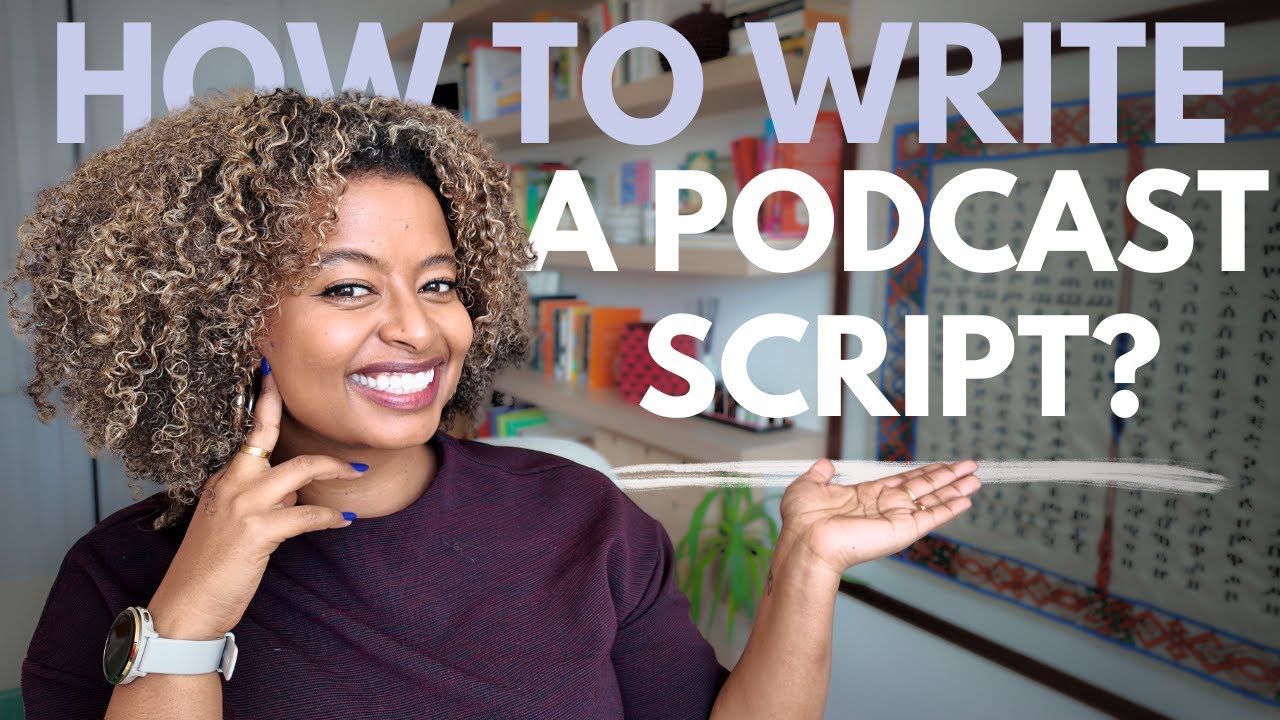
Your 5 Step Guide to Writing a Podcast Script
Podcasting with Hiwi G
Overview
This video provides a five-step formula for scripting engaging podcast episodes, designed to keep listeners hooked from start to finish. The presenter, a podcast producer with experience on major shows, outlines a journey-based approach where listeners are taken from their current emotional state to a new one. The formula includes: the hook (an intriguing opening), the show ID (introducing the podcast and host), the context (setting the stage and explaining relevance), challenges and resolutions (the core content, whether interview or solo), and the close (reflection and call to action). The video emphasizes demonstrating value rather than just stating it, and offers specific advice for both solo and interview-based podcasts, including tips on scripting versus bullet points and formulating effective interview questions. The hook, discussed last, is crucial for immediate engagement and can be a short story, a relatable question, or a bold statement.
This summary expires in 30 days. Save it permanently with flashcards, quizzes & AI chat.
Chapters
- •Many podcasts fail to retain listeners after the initial hook.
- •A great podcast episode takes the listener on a journey, shifting their emotional state.
- •The presenter shares a proven 5-step formula used on successful shows.
- •This segment should be 30 seconds to 1 minute long.
- •Clearly state the podcast name and provide a brief description.
- •Introduce yourself as the host or producer.
- •Example: 'You're listening to [Podcast Name], a series of [short description]. I'm [Your Name].'
- •This section is approximately 1-3 minutes long.
- •Demonstrate why the listener should care about the topic, don't just tell them.
- •Often involves introducing a character and their challenge.
- •For solo shows, this might be your personal struggle with a topic (e.g., habit formation).
- •This is the main body of the episode, ideally 20-30 minutes.
- •For solo shows: discuss your challenges, the process, and the insights gained. Use bullet points for natural delivery.
- •For interview shows: script insightful questions related to the episode's key themes.
- •Differentiate questions for experts versus non-experts to maintain authenticity and trust.
- •This segment is 1-3 minutes long.
- •Reflect on the episode's content and your experience.
- •Direct listeners on what to do next (e.g., join mailing list, reply to emails).
- •Encourage listeners to rate, review, and subscribe.
- •This is the first 90 seconds of your episode.
- •Its purpose is to make listeners want to continue.
- •Can be a compelling short story, a relatable question, or a bold statement.
- •Examples provided for each type, using habit formation and dopamine as a theme.
- •The formula guides listeners, shifts their perspective, and empowers them to act.
- •Apply this formula to your first podcast episode.
- •Further resources are available through the presenter's podcasting accelerator.
Key Takeaways
- 1Structure your podcast episodes to take listeners on a journey, moving them emotionally.
- 2A strong hook (story, question, or bold statement) in the first 90 seconds is crucial for engagement.
- 3Clearly identify your show and yourself early on (Show ID).
- 4Demonstrate the relevance of your topic through context and storytelling, rather than just stating facts.
- 5For solo shows, use bullet points for a natural delivery; for interviews, craft targeted questions.
- 6The 'Challenges and Resolutions' section forms the core content, providing value and insights.
- 7Conclude with reflection and clear calls to action (subscribe, review, engage).
- 8Tailor your approach based on whether you're interviewing an expert or a peer.