11:52
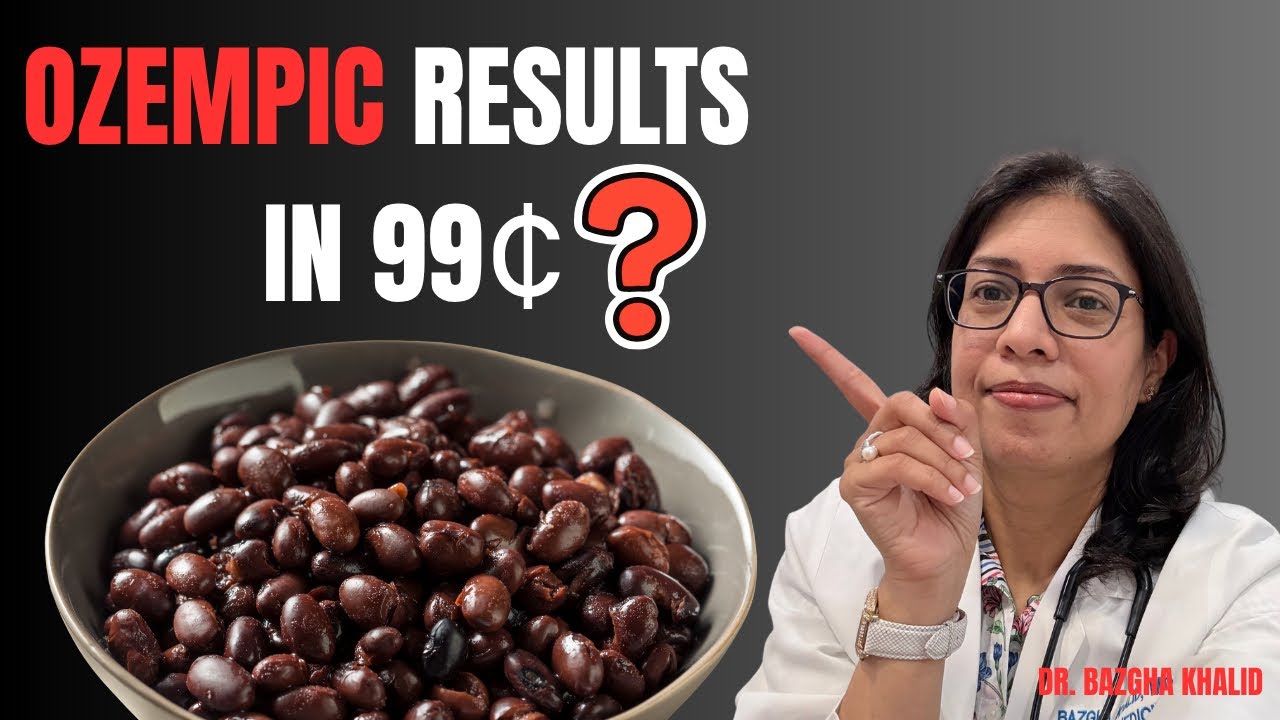
This 99 Cent Food Mimics Ozempic — Here's How (And How to Use It): Weight Loss Doctor Explains
Bazgha Khalid, MD
Overview
This video explains how common beans, a low-cost food, can naturally stimulate the body's production of GLP-1, a hormone also targeted by medications like Ozempic. It details the scientific mechanisms involving fiber and resistant starch that lead to increased GLP-1 release, improved blood sugar control, and prolonged feelings of fullness. The video emphasizes that while beans are not a direct replacement for GLP-1 medications, they offer significant, natural benefits for metabolic and gut health, and provides practical tips for incorporating them into one's diet.
How was this?
Save this permanently with flashcards, quizzes, and AI chat
Chapters
- A 99-cent can of beans can activate similar hormones to Ozempic.
- Beans are not a replacement for GLP-1 medication but can support the body's natural hormone production.
- Understanding the science behind beans can change how you view this common food.
This chapter sets the stage by highlighting a surprising, accessible food that impacts the same biological pathways as expensive medications, encouraging a deeper look into natural health strategies.
A 99-cent can of beans sitting on a grocery store shelf.
- GLP-1 (Glucagon-like peptide-1) is a natural hormone produced in the gut after eating.
- GLP-1 regulates blood sugar by signaling the pancreas to release insulin.
- It slows stomach emptying, promoting longer-lasting fullness.
- GLP-1 also signals the brain to stop eating.
Understanding what GLP-1 does is crucial for appreciating how both medications and foods like beans can influence appetite and metabolic health.
When you eat a meal, cells in your gut release GLP-1 into your bloodstream, which then tells your pancreas to release insulin and your brain that you've had enough.
- Beans contain high amounts of fiber and resistant starch, key components that trigger GLP-1.
- Fiber slows down digestion mechanically, similar to how GLP-1 medications delay stomach emptying.
- Resistant starch ferments in the large intestine, feeding beneficial gut bacteria.
- This fermentation produces short-chain fatty acids that signal gut L-cells to release natural GLP-1.
This chapter explains the specific biological mechanisms by which beans activate the GLP-1 pathway, demystifying how a simple food can have a significant metabolic impact.
Resistant starch in beans is fermented by gut bacteria, producing short-chain fatty acids that act like a doorbell, ringing the L-cells in your gut to release GLP-1.
- Studies confirm that resistant starch from beans increases GLP-1 release.
- Beans help reduce post-meal blood sugar spikes and improve insulin sensitivity.
- Consistent bean consumption can adapt gut bacteria to produce more beneficial compounds.
- Beans are a prebiotic, feeding good gut bacteria and producing butyrate, which fuels colon cells and supports gut lining health.
- Populations with high bean intake show lower rates of heart disease, better cholesterol, and reduced colon cancer risk.
This section provides scientific evidence and broader health implications, demonstrating that beans contribute to metabolic health, gut integrity, and longevity beyond just appetite control.
Studies show that eating beans reduces how high your blood sugar spikes after a meal and improves insulin sensitivity over time.
- Start by adding half a cup of beans daily to existing meals like salads or soups.
- Rinse canned beans to reduce sodium and gas-producing compounds.
- Introduce fiber gradually to allow gut bacteria to adjust, and drink plenty of water.
- Cooling and then reheating beans can increase their resistant starch content.
- Varying bean types (chickpeas, lentils, black beans) provides diverse nutrients and supports a varied microbiome.
- Beans can supplement meals, like swapping half the meat in tacos for black beans.
These practical tips make it easy for learners to implement the knowledge gained, showing how to practically benefit from beans without drastic dietary changes.
Toss chickpeas into a salad, add black beans to your taco filling, or have beans on the side of your plate.
- Natural, inexpensive foods like beans offer powerful health benefits.
- Beans support blood sugar, gut health, and satiety through natural GLP-1 release.
- The key is providing your body with the right fuel to perform its natural functions.
This concluding section reinforces the main message: effective health strategies don't always require expensive or complex solutions, empowering learners to utilize accessible resources.
Providing your body with the right fuel, like beans, helps it make its own GLP-1 naturally.
Key takeaways
- Beans are a cost-effective food that can naturally stimulate the release of GLP-1, a hormone associated with appetite control and blood sugar regulation.
- The fiber in beans slows digestion, while resistant starch feeds gut bacteria, which in turn produce short-chain fatty acids that trigger GLP-1 release.
- While not a substitute for GLP-1 medications, beans offer significant benefits for metabolic health, including improved blood sugar control and insulin sensitivity.
- Consuming beans regularly supports a healthy gut microbiome by acting as a prebiotic and providing fuel for colon cells.
- Incorporating beans into your diet can contribute to better cardiovascular health and a reduced risk of certain cancers, as observed in populations with high bean consumption.
- Practical steps like starting with small portions, rinsing canned beans, and gradually increasing fiber intake can help integrate beans into your diet effectively.
- Cooling cooked beans can increase their resistant starch content, further enhancing their health benefits.
- The most impactful health strategies can often be found in simple, affordable, whole foods.
Key terms
GLP-1 (Glucagon-like peptide-1)OzempicFiberResistant StarchGut MicrobiomeShort-Chain Fatty Acids (SCFAs)L-cellsPrebioticInsulin SensitivityBlood Sugar Regulation
Test your understanding
- What are the two main components in beans that contribute to GLP-1 release, and how does each work?
- How does the action of fiber in beans mimic the effect of GLP-1 medications on stomach emptying?
- Why is resistant starch important for GLP-1 production, and what role do gut bacteria play in this process?
- What are the broader health benefits, beyond appetite control, associated with regular bean consumption?
- What are three practical tips for someone new to eating beans to incorporate them into their diet without discomfort?