21:40
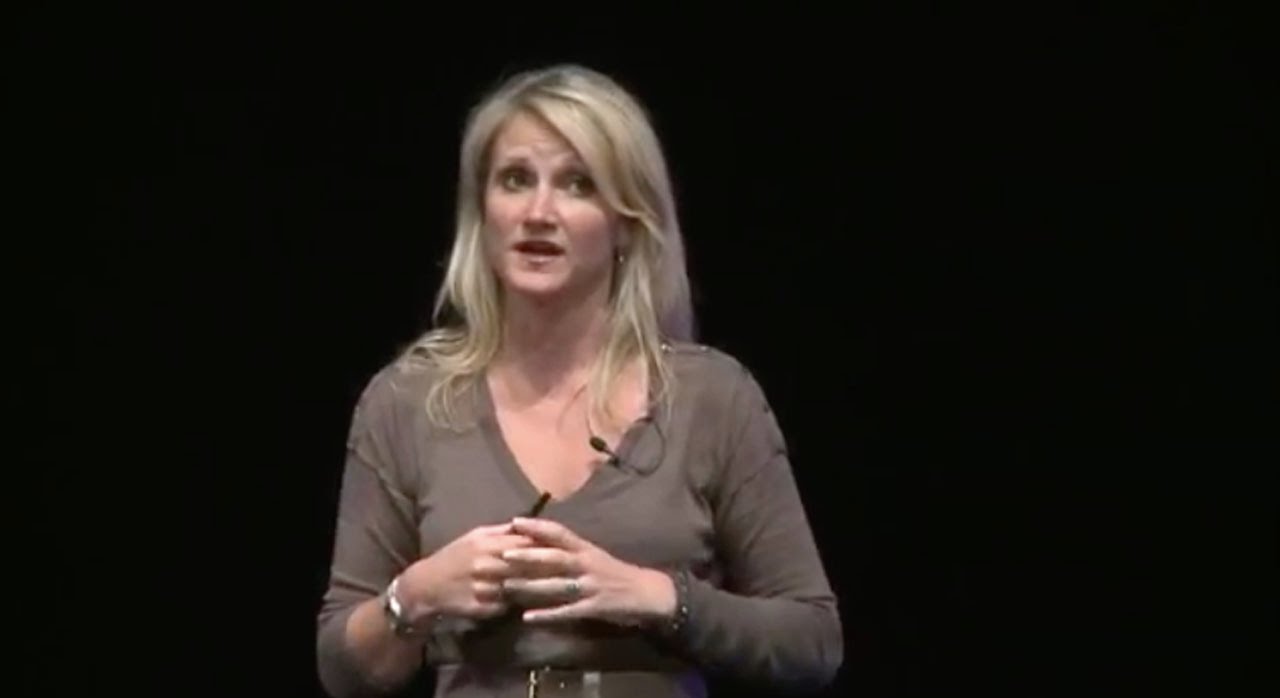
How to stop screwing yourself over | Mel Robbins | TEDxSF
TEDx Talks
Overview
This video challenges the common tendency to settle for mediocrity by highlighting the immense odds of individual existence and the self-sabotaging nature of the word "fine." Mel Robbins argues that true progress requires intentional action, not waiting for motivation. She introduces the "five-second rule" as a practical tool to overcome inertia, encouraging listeners to act on impulses within five seconds to prevent their brains from shutting down new ideas. The core message is that achieving desired outcomes necessitates breaking routines, embracing discomfort, and actively "forcing" oneself to act, rather than relying on feelings or external circumstances.
How was this?
Save this permanently with flashcards, quizzes, and AI chat
Chapters
- Many people feel dissatisfied with their lives, often settling for a state of "fine" instead of pursuing what they truly want.
- The word "fine" is a self-deceptive tool that prevents action by implying contentment, even when fundamental needs are unmet.
- Despite abundant information and resources available, people fail to achieve their goals because they convince themselves they are "fine" without them.
- This "fine" mentality applies to both external interactions and internal self-talk, leading to a lack of self-push and giving up on aspirations.
Recognizing the pervasive nature of settling for 'fine' is the first step toward understanding why you might not be achieving your goals and opens the door to genuine self-reflection.
Someone might say they are 'fine' with their job, even if they dislike it, because acknowledging their dissatisfaction would require them to take action to find a new one.
- Scientists have calculated the odds of any individual being born at a specific time, to specific parents, with specific DNA as one in four hundred trillion.
- This incredible probability underscores the unique value and potential inherent in every person.
- Despite this extraordinary existence, people often squander their potential by ignoring life-changing ideas or opportunities.
Understanding the astronomical odds of your existence can serve as a powerful motivator to honor your potential and stop dismissing your own ideas.
The speaker uses an audience member, Doug, to illustrate this point, emphasizing that his very existence is a one-in-four-trillion event.
- You will never 'feel like' doing the things necessary to achieve your goals; motivation is not a prerequisite for action.
- Scientists refer to the force needed to shift from autopilot to new behavior as 'activation energy.'
- The brain naturally prefers autopilot and uses an 'emergency brake' to resist any deviation from routine, requiring conscious effort to overcome.
- Parenting yourself means making yourself do things you don't want to do, a skill often neglected in adulthood.
This chapter explains the psychological barrier to change and provides a framework for understanding why action is difficult, even when you know what to do.
Waking up earlier requires 'activation energy' to overcome the comfort of your bed and the brain's preference for staying on autopilot.
- Life often becomes boring and stagnant due to rigid routines, which reinforce the brain's autopilot mode.
- Dissatisfaction is a signal that basic needs, particularly the need for exploration and growth, are not being met.
- To grow, you must intentionally seek discomfort and step outside your comfort zone.
- Getting 'out of your head' and away from negative self-talk is crucial, as internal dialogue can be highly destructive.
This section highlights that routine is the enemy of growth and that discomfort is a necessary catalyst for personal development and fulfillment.
The speaker describes how driving to work on autopilot, without remembering the journey, exemplifies the brain's preference for routine and the need to break it.
- The brain can process information very quickly, and if an impulse or idea isn't acted upon within five seconds, the 'emergency brake' is engaged, killing the idea.
- The five-second rule is a simple mechanism to harness fleeting impulses and translate them into action before the brain can stop you.
- This rule applies to everything from getting out of bed to acting on inspiration from a speech.
- The problem isn't a lack of ideas, but a failure to act on them, which is a self-sabotaging behavior.
The five-second rule provides a concrete, actionable strategy to overcome procrastination and self-doubt, enabling you to seize opportunities as they arise.
If you have an impulse to go talk to someone interesting at a party, you must stand up and walk over within five seconds, or your brain will likely stop you.
Key takeaways
- Stop telling yourself you are 'fine' when you are not; acknowledge your true feelings and desires.
- Recognize the extraordinary odds of your existence as a reason to pursue your potential.
- Motivation is unreliable; you must learn to 'force' yourself to act, especially when you don't feel like it.
- Breaking out of comfortable routines is essential for personal growth and avoiding stagnation.
- Embrace discomfort as a signal that you are on the path to exploration and development.
- Act on impulses and ideas within five seconds to prevent your brain from shutting them down.
- Your internal dialogue can be your worst enemy; be mindful of how you talk to yourself.
Key terms
FineActivation EnergyAutopilotEmergency BrakeOne in Four Hundred TrillionFive-Second RuleComfort ZoneExploration and GrowthSelf-Sabotage
Test your understanding
- What does the speaker mean by the 'emergency brake' in the brain, and how does it relate to routine?
- How does the concept of 'activation energy' explain why it's hard to start new behaviors?
- Why is the word 'fine' considered a self-sabotaging term, and what are its consequences?
- What is the five-second rule, and how can it be applied to overcome inaction?
- How can recognizing the odds of your existence influence your motivation to pursue your goals?