3:58
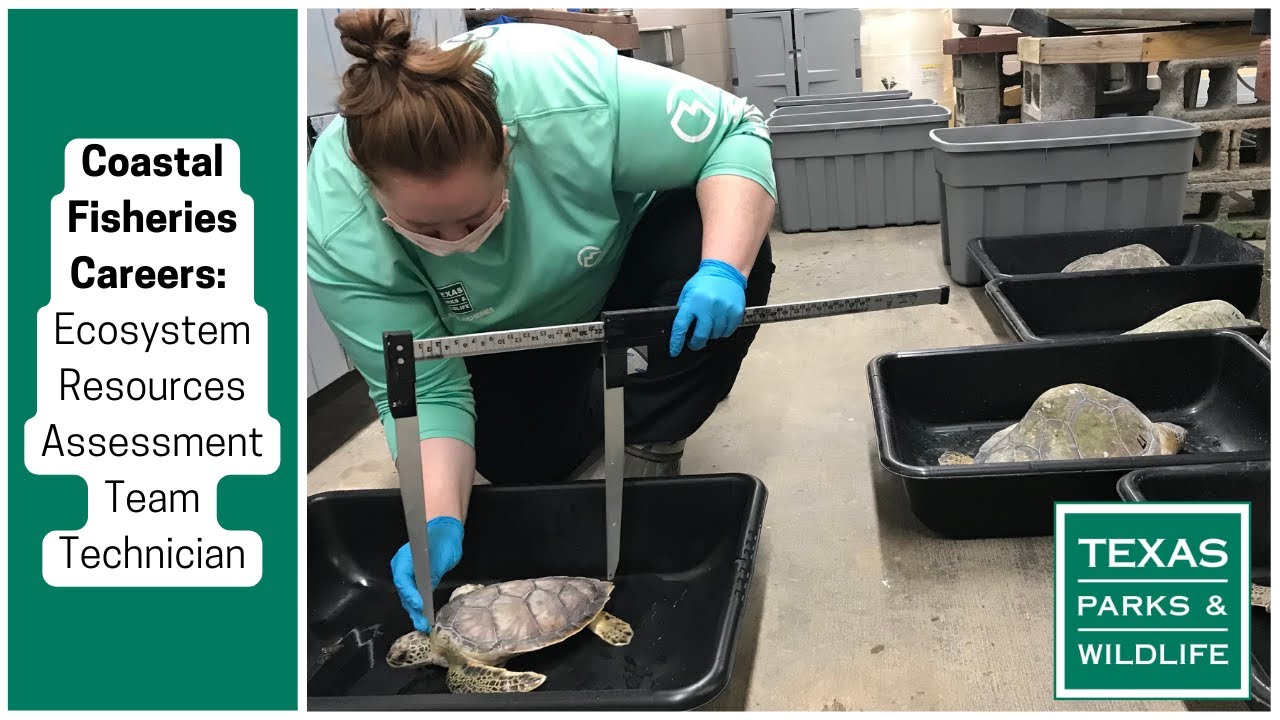
Coastal Fisheries Careers | Ecosystem Resources Assessment Program Technician
Texas Parks and Wildlife Education
Overview
This video introduces the role of an Ecosystem Resources Assessment Program Technician at Texas Parks and Wildlife, focusing on the diverse responsibilities within the program. It highlights equipment maintenance, water quality monitoring, marsh restoration, and wildlife rescue. The speaker shares her personal journey into wildlife conservation, emphasizing the importance of early exposure and passion. The video also offers advice for aspiring professionals, suggesting volunteering and internships as valuable experiences to explore career paths in this field.
How was this?
Save this permanently with flashcards, quizzes, and AI chat
Chapters
- The Ecosystem Resources Assessment Program at Texas Parks and Wildlife is a diverse team with specialized work groups.
- These groups handle tasks such as project assessment and permitting for development impacts, land acquisition for conservation (e.g., Folletts Island CMA), and responding to natural disasters or man-made spills (Kills and Spills Team).
- This broad scope allows the team to engage in a wide variety of conservation and environmental protection activities.
Understanding the program's structure reveals the multifaceted nature of coastal ecosystem management and the various career paths available within it.
The Kills and Spills Team responding to Winter Storm Uri or an oil spill.
- The technician's primary role involves maintaining essential equipment, including vehicles, boats, and specialized water quality monitoring devices like datasondes.
- Datasondes measure critical water parameters such as temperature, dissolved oxygen, pH, and chlorophyll.
- This data is vital for conducting site investigations, routine monitoring, and responding to wildlife mortality events.
This highlights the practical, hands-on aspects of environmental science, emphasizing the importance of reliable data collection for informed conservation decisions.
Using datasondes to monitor water quality during site investigations or wildlife mortality events.
- The technician participates in habitat restoration projects, such as the Dickinson Bayou marsh restoration.
- This involves assessing the success of seeding efforts, like planting smooth cordgrass (Spartina), and planning for future interventions if needed.
- A key job satisfaction comes from seeing tangible, immediate positive outcomes from restoration work.
This demonstrates the direct impact of conservation efforts on improving coastal habitats and the rewarding nature of seeing ecological recovery firsthand.
Monitoring the growth of smooth cordgrass at the Dickinson Bayou marsh restoration project after initial seeding.
- The Kills and Spills Team also engages in rescuing injured wildlife affected by spills, storms, or other incidents.
- The technician's daily tasks are varied and engaging, including learning new skills, performing rescues, and conducting public outreach.
- Sharing a passion for wildlife with the public is a significant and enjoyable aspect of the job.
This showcases the compassionate side of conservation work and the dynamic, non-routine nature of the role, appealing to those who enjoy variety and direct animal interaction.
Capturing and taking a red-shouldered hawk with a broken wing to a rehabilitator.
- The speaker's passion for wildlife originated in childhood, influenced by her father's interest in marine biology and a home filled with various animals.
- Early experiences, like searching for snakes on weekend drives, instilled a deep love for nature.
- For those interested in this field, volunteering with organizations like Texas Parks and Wildlife is highly recommended.
- Internships can help clarify career goals by revealing what one *doesn't* want to do, while volunteering offers a more immersive experience.
This provides insight into the origins of a conservation career and offers practical, actionable advice for individuals seeking to enter the field.
The speaker's father taking her on drives to look for snakes on weekend mornings.
Key takeaways
- Coastal ecosystem management involves diverse roles, from permitting and land acquisition to disaster response and habitat restoration.
- Technicians play a crucial role in maintaining equipment and collecting vital environmental data for conservation efforts.
- Restoration projects offer tangible results, providing significant job satisfaction through visible ecological improvements.
- Wildlife rescue is an integral part of conservation work, requiring quick action and compassion.
- A career in wildlife conservation often stems from a lifelong passion, nurtured by early exposure to nature.
- Volunteering and internships are essential for exploring and confirming a career path in environmental and wildlife fields.
- The work is dynamic, offering daily learning opportunities and varied tasks, from fieldwork to public outreach.
Key terms
Ecosystem Resources Assessment ProgramTexas Parks and WildlifeProject Assessment and PermittingLand AcquisitionKills and Spills TeamDatasondesWater Quality MonitoringWildlife Mortality EventMarsh RestorationSmooth Cordgrass (Spartina)Wildlife RescueOutreach
Test your understanding
- What are the main types of work groups within the Ecosystem Resources Assessment Program?
- How does a technician contribute to site investigations and wildlife mortality event responses?
- Why is seeing immediate results from restoration work a significant aspect of the technician's job satisfaction?
- What advice does the speaker offer to individuals considering a career in wildlife conservation?
- How can volunteering or internships help someone determine if a career in coastal fisheries or ecosystem resources is the right fit?