16:07
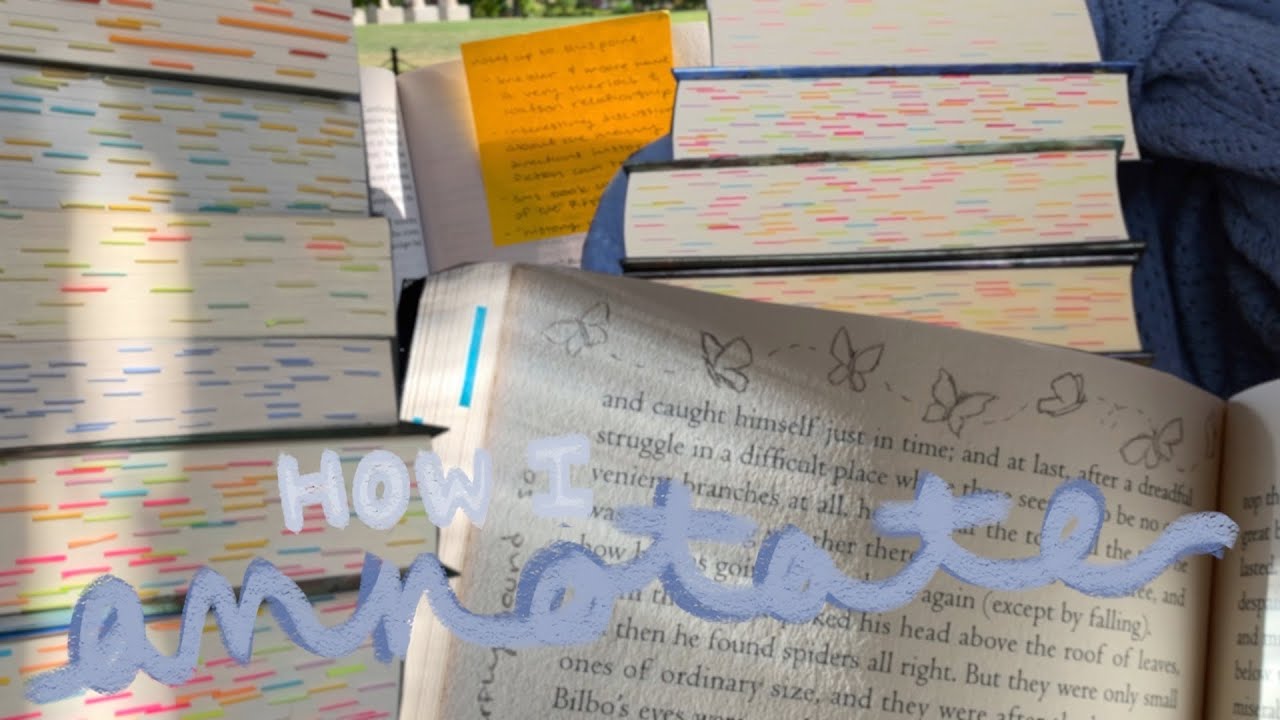
HOW I ANNOTATE MY BOOKS🖊📖 | supplies and methods!
katie is reading
Overview
This video details a personal approach to annotating books, focusing on supplies and methods that enhance reading comprehension and memory. The creator shares various techniques, from simple single-color tabing to complex color-coded systems, explaining how annotations are tailored to different genres and reading purposes, including casual reading, classics, and academic texts. The emphasis is on making the reading experience more engaging and creating a personal record of thoughts and connections for future reference.
How was this?
Save this permanently with flashcards, quizzes, and AI chat
Chapters
- Annotation is a personal process that enhances the reading experience by capturing initial thoughts and reactions.
- The method of annotation varies based on the book's genre, purpose of reading, and desired takeaways.
- A universal annotation practice is writing down definitions to improve story retention and understanding.
Understanding the purpose and flexibility of annotation helps learners see it as a tool for deeper engagement with texts, rather than a rigid requirement.
The creator mentions writing down definitions for words encountered in any book, regardless of genre, as a foundational annotation practice.
- Basic supplies include a spacious pencil pouch, various pens, and sticky notes or tabs.
- Initially, full-sized sticky notes cut into tabs were used as a cost-effective alternative to dedicated annotation tabs.
- Translucent, pastel-colored sticky tabs are preferred for their aesthetic appeal and ability to write on them, though they require careful reapplication.
- Larger Post-it notes are useful for extended thoughts, character summaries, or plot recaps that don't fit on the page.
Knowing the available tools and their practical uses allows learners to adapt annotation methods to their budget and preferences.
Using cut-up full-sized Post-it notes as tabs when first starting to annotate, before investing in specialized tabs.
- Simple annotation involves using a single tab color for the entire book, suitable for casual reading.
- More complex systems use a key with multiple colors to denote different types of annotations, such as definitions, plot points, or character connections.
- Color-coding can be extended to underlining text with pens that match the tab colors for a visually satisfying and organized approach.
- Annotation systems should be adapted to the specific book, with more detailed keys for complex narratives or series.
Developing a color-coded system transforms annotations into a visual map of the book, aiding recall and analysis of themes and plot points.
Using a color-coded key for Stephen King books where green tabs mark connections to other books in his universe, and general tabs capture funny or significant moments.
- For beloved fiction books or series, a more elaborate annotation system can be employed to capture a wide range of reactions.
- Specific categories can be created for emotions (sad, hate), plot elements (funny, general), or book-specific references (literature, character relationships).
- Large Post-it notes can be used for detailed character breakdowns or to express frustration with plot developments.
- Detailed annotations create a rich personal record that enhances rereading experiences.
Applying detailed annotation strategies to highly anticipated books allows for a deeper appreciation and a more thorough understanding of complex fictional worlds.
Annotating 'Chain of Gold' and 'Chain of Iron' with six categories, including specific tabs for literature references and character relationship maps due to the complexity of the series.
- Annotating classics should remain simple to avoid adding difficulty to already challenging texts.
- Focus on general thoughts, definitions, or specific motifs relevant to academic study.
- For academic texts like 'The Iliad,' annotations can include chapter summaries, key discussion points from class, and highlights of material relevant to essays.
- Even in academic settings, personal, non-scholarly thoughts can be noted for sanity and a more balanced reading experience.
Adapting annotation methods for classics and academic works ensures that the process supports comprehension without becoming overwhelming, making difficult texts more accessible.
Using blue tabs for general thoughts and orange tabs for instances where a character is annoying in 'The Picture of Dorian Gray,' simplifying the annotation process for a classic.
Key takeaways
- Annotation is a flexible tool that should be customized to the reader's goals and the specific text.
- Even simple supplies like sticky notes can be effectively used for annotation.
- Color-coding with a defined key transforms annotations into a powerful memory aid.
- Detailed annotations can significantly enhance the experience of rereading favorite books.
- Annotation strategies should be adjusted for different genres, from light fiction to challenging classics and academic works.
- The primary goal of annotation is to deepen engagement and create a personal record of understanding.
- Writing down definitions is a fundamental annotation practice beneficial for all types of reading.
Key terms
AnnotationSemantic EncodingElaborative ProcessingRetrieval CuesSticky NotesPost-it TabsColor-CodingKey (Annotation)Chapter SummaryDefinitions
Test your understanding
- What are the main benefits of annotating books according to the video?
- How does the creator suggest adapting annotation methods for different genres like classics versus fantasy series?
- What are some of the essential supplies recommended for book annotation, and how can they be used creatively?
- Why is it important to have a key when using a color-coded annotation system?
- How can annotating help with story retention and recalling information from a book?