53:43
America Revealed - Food Machine
Nguyen Xuan Vu
Overview
This video explores the complex and vast 'food machine' that feeds America, revealing how industrialization and technological advancements have transformed agriculture and food production. It traces the journey of food from large-scale farms in California and Kansas to processing plants and ultimately to consumers, highlighting the immense infrastructure, resource management, and labor involved. The documentary also touches upon the environmental challenges, changing consumer demands, and the evolving landscape of farming, from massive industrial operations to urban agriculture.
How was this?
Save this permanently with flashcards, quizzes, and AI chat
Chapters
- The American food industry operates like a massive, highly efficient factory designed to feed the nation year-round.
- This system is incredibly complex, involving a vast network of farms, processing plants, distribution centers, and retail outlets.
- While highly productive, the system faces challenges in resource management and sustainability due to increasing demand.
- The scale of food production is immense, with numerous chains and independent stores catering to diverse consumer needs.
Understanding the scale and complexity of the food system helps appreciate the effort and resources required to ensure food availability.
The visualization of 24,000 food stores and thousands of fast-food chains and supermarkets across the US illustrates the vastness of the distribution network.
- The journey of a pizza highlights the intricate logistics of food delivery, from raw ingredients to the consumer's door.
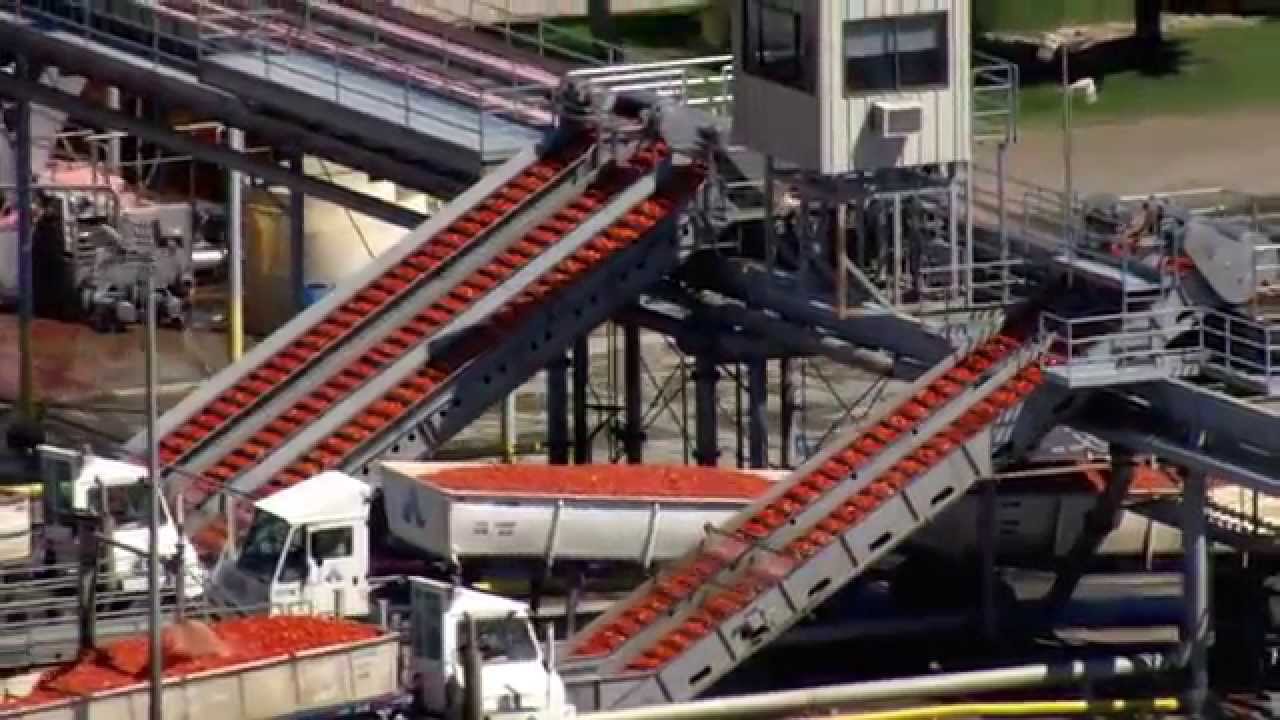
- Key ingredients like tomatoes are sourced from massive agricultural hubs like California's Central Valley.
- Large-scale irrigation projects, like the Shasta Dam, are crucial for enabling agriculture in arid regions.
- The coordination of thousands of delivery drivers and a complex supply chain ensures timely delivery.
This chapter demonstrates how seemingly simple products rely on extensive infrastructure and global sourcing.
Raju Hossain, a Domino's delivery driver in New York City, exemplifies the final leg of the food delivery process, while Ted Sheeley's 640 hectares of tomatoes in California represent the agricultural source.
- Kansas represents a transformation of arid grasslands into highly productive farmland through technological innovation.
- Modern farming relies heavily on irrigation, particularly from the Ogallala Aquifer, and synthetic fertilizers (nitrogen, phosphorus, potassium).
- Center-pivot irrigation systems create the characteristic circular patterns seen from above.
- The focus has shifted from subsistence farming to large-scale, industrialized production, with corn becoming a dominant crop.
This section shows how technology and resource management have dramatically increased agricultural output, making the US a global food producer.
Greg Stone's multi-million dollar farm, with its circular fields irrigated by center-pivot systems, contrasts sharply with his grandfather's small, self-sufficient farm from the 1930s.
- Corn is a foundational ingredient in the American food system, appearing in an estimated one-third of supermarket products.
- Modern processing techniques allow corn to be used as sweeteners, fillers, and additives in a wide range of foods and beverages.
- The livestock industry, particularly beef production, is heavily reliant on corn as a cheap and efficient feed source.
- Concentrated Animal Feeding Operations (CAFOs) are an extension of the corn industry, designed for rapid animal growth.
Understanding the pervasive role of corn reveals how a single crop underpins much of the processed food and meat industries.
A chicken nugget's ingredient list showing 30% corn, or a CAFO housing 90,000 cattle being fed by a central feed mill, illustrates corn's widespread use.
- Consumer desires, shaped by restaurants and marketing, drive demand for specific foods, often high in fat and calories.
- Innovative food products, like the 'Bloomin' Onion,' transform simple ingredients into high-demand, profitable items.
- The food industry constantly seeks new ways to stimulate consumer appetite and create demand.
- There's a growing awareness of the health implications of processed foods and the need for healthier options.
This chapter highlights how consumer preferences and industry innovation create a dynamic and sometimes challenging food landscape.
The Outback Steakhouse's 'Bloomin' Onion,' made from a 71-cent per kilogram onion, demonstrates how a common ingredient can be transformed into a signature dish.
- Water scarcity is a major challenge, with California farmers using 80% of the state's water, leading to rising costs.
- Monoculture farming practices, while efficient, make crops highly vulnerable to pests and diseases.
- The use of pesticides and herbicides is extensive, leading to an 'arms race' between pests and chemical treatments.
- Genetically Modified Organisms (GMOs) are increasingly used to provide built-in pest resistance, but challenges remain.
This section underscores the environmental and economic pressures facing modern agriculture, including resource depletion and pest management.
Ted Sheeley's $2 million underground drip irrigation system for tomatoes and Greg Stone's reliance on aerial spraying by pilots like Robert Grace to combat the European corn borer illustrate these challenges.
- The food system relies on a mobile workforce, including truck drivers, farm workers, and aerial applicators.
- Pollination, essential for many crops, is increasingly dependent on migratory beekeepers facing challenges like Colony Collapse Disorder.
- Urban agriculture is emerging as a movement to reconnect communities with local, organic food sources.
- The future of farming involves continued technological innovation, adaptation to changing consumer tastes, and a focus on sustainability.
This chapter explores the human element of the food system and emerging trends that could shape its future, balancing industrial scale with local and sustainable practices.
David Hackenberg's long-distance bee-keeping operation, which transports millions of bees across the country for pollination, and urban farms in Detroit like Will Gardner's, represent different facets of the food system's evolution.
Key takeaways
- The American food system is a marvel of engineering and logistics, capable of feeding hundreds of millions daily.
- Technological advancements, from irrigation to GMOs, have dramatically increased food production efficiency but also introduced new challenges.
- Resource management, particularly water, is a critical and growing concern for large-scale agriculture.
- Consumer demand and evolving tastes significantly influence what and how food is produced.
- The industrial food system faces pressure to become more sustainable and address environmental impacts.
- While industrial agriculture dominates, smaller-scale and urban farming movements offer alternative models for food production and community connection.
- The future of food production will likely involve a blend of advanced technology, sustainable practices, and adaptation to changing global needs.
Key terms
Food MachineIndustrial AgricultureCentral Pivot IrrigationOgallala AquiferSynthetic FertilizersMonocultureConcentrated Animal Feeding Operation (CAFO)Genetically Modified Organisms (GMO)Colony Collapse DisorderUrban Agriculture
Test your understanding
- How has technology, such as irrigation and fertilizers, transformed farming in regions like Kansas?
- What is the role of corn in the American food system, and how does it connect to other industries like meat production?
- What are the primary resource challenges faced by farmers, and how are they attempting to address them?
- How do consumer preferences and marketing influence the types of food produced and consumed in the US?
- What are the potential consequences of Colony Collapse Disorder for the broader food system?