2:11
Private Sector vs. Public Sector
PragerU
Overview
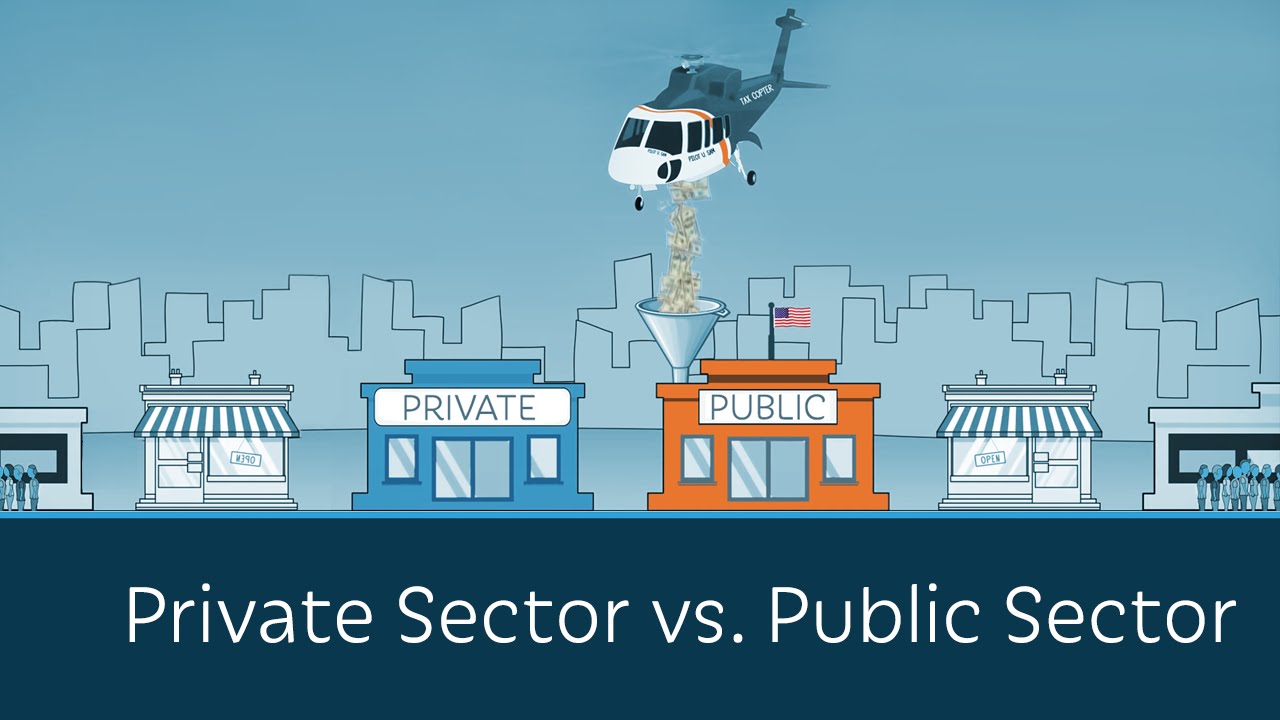
This video explains the fundamental differences between the private and public sectors of an economy. The private sector is driven by profit and competition, leading to potentially lower prices and better services as businesses must attract customers. The public sector, funded by taxes, does not face the same competitive pressures and is managed by government decisions, which can lead to higher costs and less efficient services in some cases, though it is essential for services like law enforcement and firefighting where competition is undesirable.
How was this?
Save this permanently with flashcards, quizzes, and AI chat
Chapters
- The economy is divided into public and private sectors.
- The public sector is government-run (e.g., Post Office), while the private sector consists of businesses owned by individuals (e.g., UPS, FedEx, diners).
- A key question is which sector is more effective.
Understanding the distinction between these sectors helps in evaluating the efficiency and effectiveness of various services we interact with daily.
Choosing between the Post Office (public sector) and UPS/FedEx (private sector) for mailing a package.
- Private sector businesses are owned by individuals and must earn money by providing desired products and services.
- Competition among private businesses for customer dollars generally leads to lower prices.
- Businesses that fail to satisfy customers or remain profitable risk going out of business.
The profit motive and competition inherent in the private sector create incentives for businesses to be efficient, innovative, and customer-focused.
If two stores sell the same shoes, competition will likely drive down prices, benefiting consumers.
- The public sector is funded by taxpayer money, not profits, and does not compete for customer dollars.
- Government entities decide how tax dollars are allocated for public services.
- This funding model means citizens pay for public services regardless of their personal usage.
The public sector's reliance on tax funding and government management can lead to different outcomes in terms of cost and service quality compared to the private sector.
Tax dollars fund services like police and fire departments, which are not subject to market competition.
- While the public sector is necessary for certain essential services where competition is impractical (like police or fire departments), it can sometimes be less efficient.
- Lack of profit motive and accountability can lead to higher costs and poorer service in the public sector.
- The private sector, driven by market forces, is often more efficient due to the need to be profitable and accountable to customers.
Understanding these efficiency differences helps explain why some government services may struggle with debt or poor customer experiences, while private alternatives might be perceived as better.
The U.S. Post Office's significant debt and the DMV's reputation for slow service are contrasted with the competitive pressures faced by private delivery companies.
Key takeaways
- The private sector thrives on competition and profit, incentivizing efficiency and customer satisfaction.
- The public sector is funded by taxes and managed by government, which can lead to different priorities and outcomes than market-driven businesses.
- Competition in the private sector generally drives down prices and improves service quality.
- Public sector services, while essential in some areas, may face challenges with cost and efficiency due to the absence of market pressures.
- The effectiveness of a sector often depends on the nature of the service being provided.
- Accountability to customers is a key driver of efficiency in the private sector.
Key terms
Private SectorPublic SectorProfit MotiveCompetitionTax DollarsEfficiencyAccountabilityMarket-Driven
Test your understanding
- What is the primary difference in how the private and public sectors are funded?
- How does competition influence pricing and service quality in the private sector?
- Why might the public sector be considered less efficient in certain areas compared to the private sector?
- In what types of services might the public sector be more appropriate than the private sector, and why?
- What are the potential consequences for a private business that offers poor customer service?