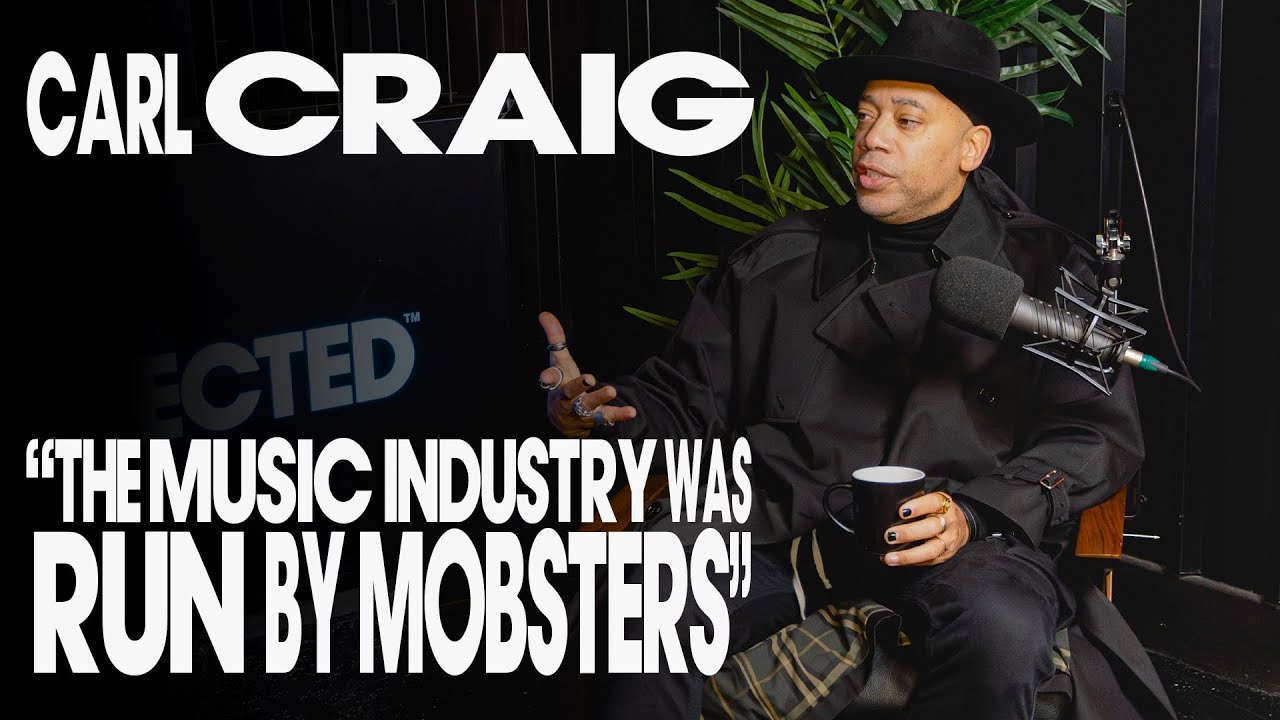
From Violent Streets to Global Fame: Carl Craig’s Journey | Moments in Music w/ Monki
Defected Records
Overview
This video features an interview with techno pioneer Carl Craig, discussing his musical journey from Detroit to global fame. Craig shares insights into his early influences, including roller skating rinks and ethnic festivals, and how his childhood experiences in a sometimes violent Detroit shaped his artistic focus. He details his first encounters with synthesizers, his collaborative relationships with other Detroit techno legends like Derrick May and Juan Atkins, and the communal, resourceful approach to music-making in the early days. The conversation also touches on the evolution of music production, the impact of the internet, the challenges of the music industry, and his experiences with rave and club culture in the UK and US, highlighting the enduring power of music and artistic expression.
Save this permanently with flashcards, quizzes, and AI chat
Chapters
- Carl Craig's childhood in Detroit was marked by a fascination with the 'arty and bizarre,' influencing his artistic approach.
- He credits his Gemini star sign for a drive towards creativity, drawing parallels to influential musicians like Sun Ra and Miles Davis.
- Childhood activities like jumping off roofs and playing games fostered a sense of resourcefulness and creativity.
- His older brother's DIY approach to music (modifying a guitar into a bass) instilled an early appreciation for innovation.
- Roller skating rinks were crucial early communal spaces for experiencing music, playing popular funk and electronic tracks.
- These rinks followed a structured music flow, including 'shoot the duck' songs and slow dances, influencing his understanding of musical pacing.
- Ethnic festivals in Detroit provided exposure to diverse cultures and music within large gatherings, similar to early rave experiences.
- The Montreal Jazz Festival's presence in Detroit was a significant influence on him and his peers.
- Growing up in Detroit, a city impacted by drug trade violence, led to a more insular childhood, fostering focus on music as escapism.
- He learned to use tape recorders and organs from a very young age, developing foundational recording skills.
- Cassette tape editing and 'pause tapes' were early methods for creating loops and experimenting with sound.
- His cousin Doug introduced him to synthesizers, a pivotal moment that solidified his future in electronic music production.
- Meeting DJ Stingray at a record store introduced him to the importance of the Roland TR-808 drum machine.
- He was mentored by Derrick May, who significantly accelerated his understanding and development in music production.
- The early Detroit techno scene was highly collaborative, with producers sharing equipment like synthesizers and drum machines.
- This communal approach, characterized by borrowing and sharing gear between studios like Transmat, Metroplex, and KMS, fostered innovation.
- His first DJ experience at a family reunion was a humbling lesson in mixing, transitioning from hero to zero quickly.
- He initially focused on producing and re-editing his own music, using reel-to-reel tape machines and cassettes for gigs.
- DJing became an extension of his production work, allowing him to share unique edits and unreleased tracks.
- He emphasizes that DJing is an artistic expression, not just playing other people's music, citing Moodymann as an example.
- His first trip to Europe in the late 80s exposed him to the 'mecca of electronic music' and influenced his perspective.
- He experienced the UK during the anti-rave legislation period, noting the strict rules surrounding gatherings.
- He found warehouse culture impressive but generally preferred the more intimate experience of clubs.
- Playing in smaller clubs, even with only 100 people, can be more rewarding and provide a stronger connection with the audience.
- Craig values staying 'under the radar' over pop success, allowing for greater autonomy and less pressure.
- He discusses the historical influence of organized crime in music distribution and radio promotion in the US.
- Moving to Europe allowed him to escape the pressures of the US music industry and focus on artistic expression over commercial sales.
- The music itself lives on, even as artists and pioneers pass away, emphasizing the enduring legacy of their work.
Key takeaways
- Early exposure to diverse environments like roller rinks and festivals significantly shaped Carl Craig's musical sensibilities.
- Resourcefulness and a DIY ethos, born from childhood experiences and early technology limitations, were foundational to his creative process.
- Collaboration and the communal sharing of resources were vital to the development and innovation within the Detroit techno scene.
- Staying true to artistic vision and maintaining autonomy is more valuable than chasing mainstream pop success.
- The music industry's historical ties to organized crime influenced distribution and promotion, making international markets crucial for artists seeking creative freedom.
- DJing is viewed as a distinct art form and an extension of personal artistic expression, not merely playing existing tracks.
- Intimate club settings often provide a more meaningful connection and response from the audience compared to large-scale events.
Key terms
Test your understanding
- How did Carl Craig's childhood experiences in Detroit, including its social environment and recreational activities, influence his approach to music?
- What role did communal spaces like roller skating rinks and ethnic festivals play in shaping his understanding of music's impact?
- Describe the collaborative environment of the early Detroit techno scene and how producers shared resources and knowledge.
- What are the key differences Carl Craig perceives between making music in the early days versus the current digital era, particularly regarding studio access and collaboration?
- How has Carl Craig navigated the music industry to maintain artistic autonomy, and what historical challenges did artists face in the US market?