28:11
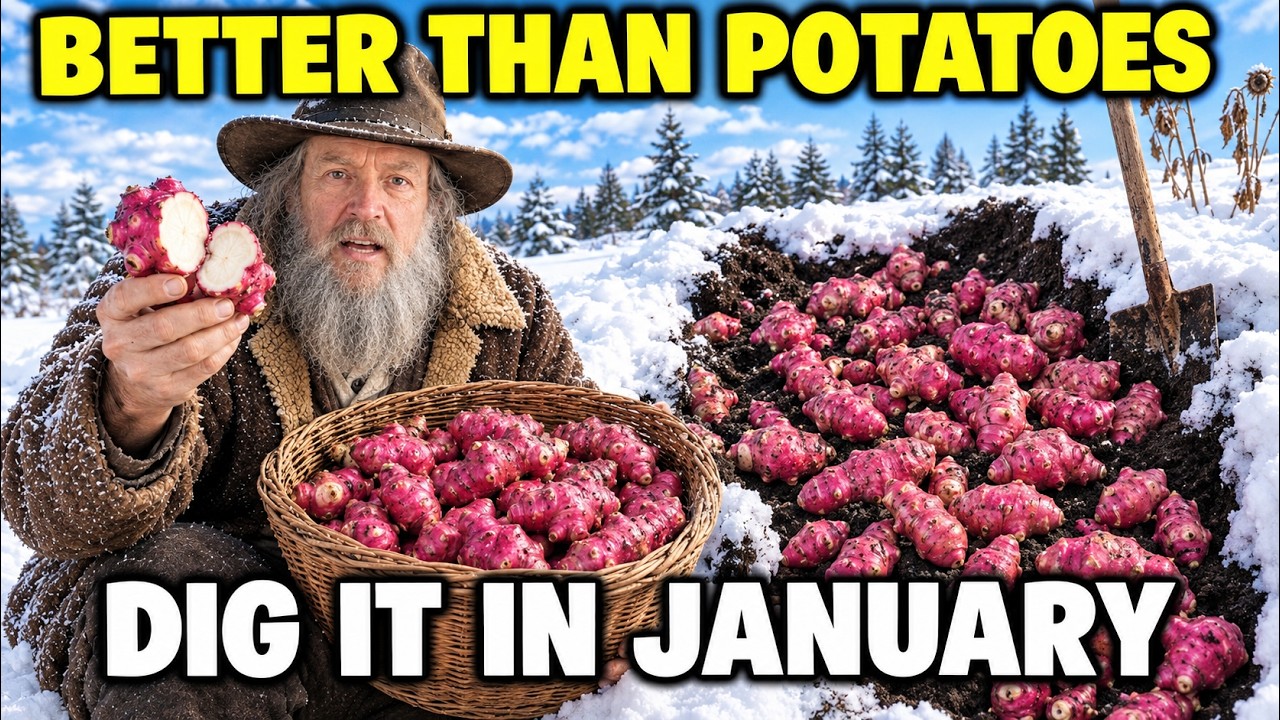
Better Than Potatoes, Grows in Frozen Ground. Why Did Settlers Abandon It?
Silas Mercer Farmstead
Overview
This video explains the cultivation and historical significance of the American groundnut (Apios americana), a native perennial tuber that offers significantly more protein than a potato. The speaker argues that this highly nutritious and resilient crop was abandoned not due to its own shortcomings, but because commercial agriculture and the grocery industry found more profit in annual, storable crops like potatoes. The video provides a comprehensive guide on how to grow, harvest, and process groundnuts, emphasizing its potential as a sustainable, year-round food source that reduces reliance on external food systems.
How was this?
Save this permanently with flashcards, quizzes, and AI chat
Chapters
- The American groundnut is a native perennial tuber with three times the protein of a potato.
- It was a vital food source for early colonists, surviving through winter in frozen ground.
- Despite its nutritional value and resilience, it has been largely forgotten by modern Americans.
- The plant was not banned but was commercially crowded out by more profitable annual crops.
Understanding the groundnut's history reveals how market forces, rather than agricultural viability, shape our food systems and highlights a lost opportunity for a sustainable, protein-rich food source.
A Wampanoag man digging knotted brown tubers from frozen ground in Massachusetts in 1621 to feed colonists.
- Choose a location with moist, but not stagnant, soil, similar to a stream margin or damp meadow edge.
- The soil must be fertile, deep, and loose, amended with organic matter like compost.
- The plant requires full sun to light shade, with at least 6 hours of sunlight daily.
- A sturdy support structure, such as a fence, stake, or trellis, is essential for the vine to climb.
Proper site selection is crucial for the groundnut's establishment and long-term survival, as it dictates soil moisture, nutrient availability, and sunlight exposure, all vital for its growth.
Planting along a branch down where the ground never dries out, or in a low garden corner that stays spongy after rain.
- Start with tubers, not seeds, for faster and more reliable establishment.
- Source tubers from reputable native plant nurseries or documented local propagators, verifying the Latin name Apios americana.
- Inspect tubers for firmness, avoiding any that are slimy, soft, fuzzy, or smell sour.
- Plant tubers horizontally, 3-4 inches deep and about a foot apart, in the spring after the last hard freeze.
Using the correct planting stock and technique prevents common beginner failures, ensuring the establishment of a productive perennial bed that can last for decades.
Sorting dormant tubers from damp sand in a wooden crate, checking each one for firmness with a thumbnail.
- Install a trellis or climbing support before or during planting, as the vine grows quickly.
- The vine will twine on its own; it does not require tying.
- Consistent watering during the first year is critical to prevent desiccation and ensure establishment.
- Mark planting points clearly to avoid accidentally weeding or disturbing the crop before it sprouts.
Providing adequate support and consistent moisture in the first year is essential for the vine's survival and growth, preventing common causes of failure.
Using a 7-foot post with horizontal wire or stout string as a trellis, or garden netting on a frame.
- Leave 8-12 inches of the dead vine stalks standing as a harvest map and to reinforce markers.
- Mulch the bed deeply after the first hard frost to moderate soil temperature and facilitate digging.
- Use a digging fork, inserted 6-8 inches outside the row, to loosen soil and avoid cutting tubers.
- Harvest only what is needed, leaving smaller tubers connected to the chain to regenerate for the next season.
Proper winter harvesting techniques ensure a continuous food supply while allowing the plant to regenerate, maximizing the long-term yield of the perennial bed.
Sliding a digging fork into the soil next to the dead stalks, lifting the soil gently to expose the chain of tubers.
- Wash and slice sound tubers thinly (1/4 inch or less) for even drying.
- Dry the slices completely until they snap cleanly when bent; any moisture leads to mold.
- Grind the dried slices into a fine flour using a hand-cranked grain mill.
- Store the flour in a sealed, cool, dark container and use it to extend wheat flour in baking (about 1/4 to 1/3 ratio).
Transforming tubers into a stable flour creates a shelf-stable staple, extending the groundnut's utility beyond fresh consumption and providing a nutrient-dense addition to baked goods.
Slices of tuber laid out thin on a wooden rack above a wood stove, drying until they snap clean when bent.
- The groundnut plant renews itself from tubers left in the ground, making it a true perennial.
- Partial harvesting is key to regeneration; take only what you need and leave the rest.
- Refresh the bed annually with a top dressing of compost and divide sections to expand the planting every few years.
- The ground itself acts as the storage, eliminating the need for external storage facilities and reducing reliance on the commercial food system.
Understanding the plant's regenerative biology transforms a simple garden bed into a self-sustaining food system, offering true food security independent of market fluctuations.
In the spring, new vines emerge from the mulch, and underneath, the previous year's partial harvest has already pushed out new tubers, demonstrating the plant's self-renewal.
Key takeaways
- The American groundnut is a highly nutritious, protein-rich native perennial that was historically important but has been commercially displaced.
- Successful groundnut cultivation requires specific site conditions: moist, fertile soil, ample sunlight, and a climbing structure.
- Planting tubers from verified sources and proper planting depth are crucial for establishing a productive bed.
- Harvesting in winter is possible and recommended, using a digging fork and leaving smaller tubers to ensure future growth.
- Groundnut tubers can be dried and ground into flour, providing a shelf-stable, protein-fortified baking ingredient.
- The groundnut's true value lies in its perennial nature and its ability to store itself in the ground, creating an independent food system.
- Abandoning the groundnut was a result of market economics favoring annual crops, not a failure of the plant itself.
Key terms
American groundnutApios americanaPerennial tuberProtein contentSite selectionPlanting stockTrellisWinter diggingGroundnut flourFood systemRegeneration
Test your understanding
- Why was the American groundnut, despite its high protein content, largely abandoned in favor of crops like potatoes?
- What are the four essential non-negotiables for selecting a site to plant American groundnuts?
- How does the method of harvesting groundnuts in winter contribute to the plant's long-term viability?
- What is the primary benefit of processing groundnut tubers into flour, and how is it typically used in cooking?
- Explain how the American groundnut functions as a self-sustaining food system, and why this characteristic made it difficult for commercial markets to profit from.