AI-Generated Video Summary by NoteTube
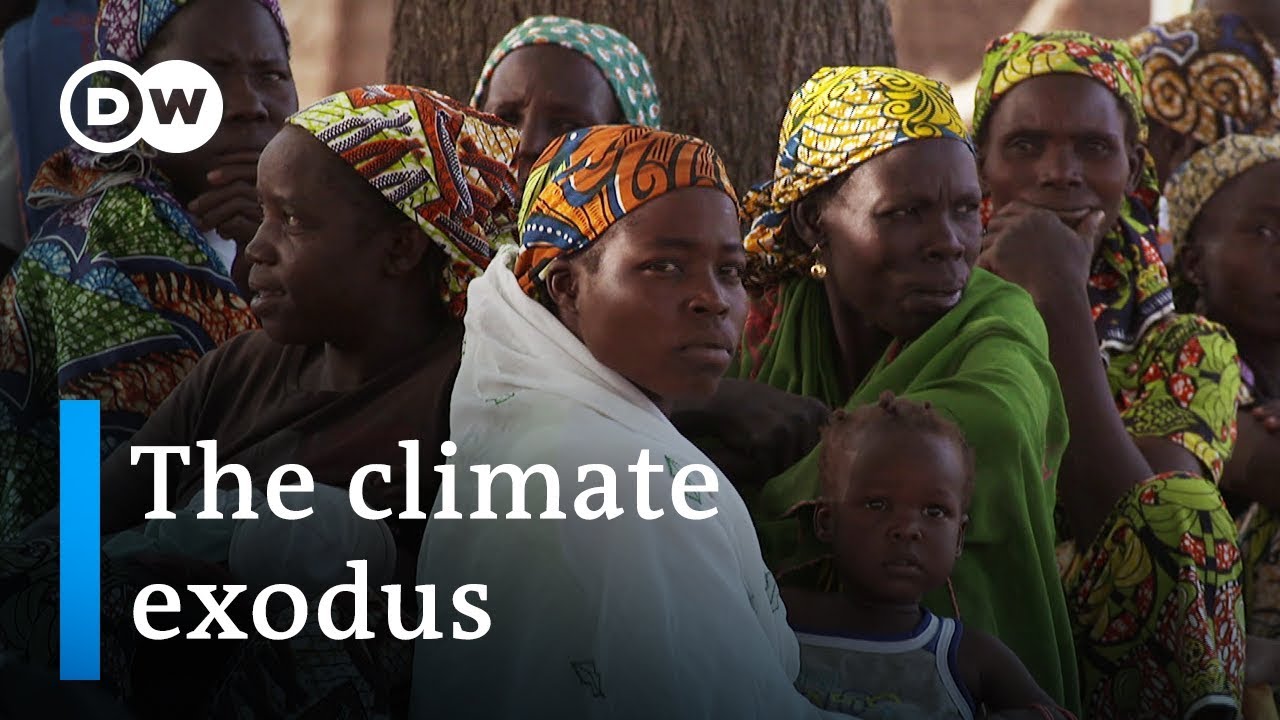
Fleeing climate change — the real environmental disaster | DW Documentary
DW Documentary
Overview
This documentary explores the escalating global crisis of climate-induced migration. As weather patterns become more extreme due to greenhouse gas emissions, vast populations are being displaced from their homes. The film highlights specific examples, including sinking villages in Indonesia due to rising sea levels and heavy rainfall, and the ground subsidence in Jakarta exacerbated by excessive groundwater depletion. It also examines the thawing permafrost in Siberia, which releases massive amounts of greenhouse gases, potentially accelerating global warming. In Africa, severe droughts are forcing communities in the Sahel region and around Lake Chad to abandon their lands, leading to resource scarcity and conflict. The documentary underscores the disproportionate impact on developing nations, while industrialized countries contribute most to the problem, ultimately predicting that hundreds of millions, possibly billions, could become climate refugees by mid-century.
This summary expires in 30 days. Save it permanently with flashcards, quizzes & AI chat.
Chapters
- •Extreme weather events are increasing globally.
- •Millions, potentially billions, are on the move due to climate change.
- •Droughts, floods, and hurricanes devastate large areas.
- •Climate change exacerbates existing inequalities, disproportionately affecting the global South.
- •Coastal villages like Pontai Bahagia in Indonesia are sinking due to rising seas and heavy rainfall.
- •Flooding disrupts education and daily life, forcing residents to consider relocation.
- •Jakarta, a megacity, faces severe flooding due to land subsidence and rising sea levels.
- •Groundwater depletion causes land to sink faster than sea levels rise.
- •A seawall project in Jakarta is insufficient to combat the escalating water threat.
- •Farming regions in Indonesia are experiencing unpredictable rainfall patterns.
- •Droughts during rainy seasons and rain during dry seasons devastate harvests.
- •Farmers are abandoning their land, leading to migration within Indonesia and abroad.
- •Deforestation in mountainous regions worsens mudslides and flooding.
- •Climate change is projected to displace 40 million people in Indonesia by mid-century.
- •The Arctic, Antarctic, and permafrost regions are hotspots for climate change.
- •Melting permafrost in Siberia is releasing ancient organic matter and fossils.
- •Thawing permafrost releases vast amounts of CO2 and methane, accelerating global warming.
- •This 'carbon bomb' could turn the biosphere from a climate brake into an accelerator.
- •Infrastructure in permafrost regions is at risk of collapse due to thawing.
- •Northern Cameroon faces severe drought and water scarcity, impacting agriculture and livelihoods.
- •Reduced rainfall forces entire families to travel long distances for water.
- •Young people are migrating to cities due to the lack of water and future prospects.
- •Droughts are pushing herders to abandon their livestock.
- •Climate change is a significant driver of migration, often compounded by poverty and conflict.
- •The Sahel region is experiencing desertification, with arable land turning into desert.
- •Hundreds of camps house people who have lost their livelihoods due to drought.
- •Lake Chad, a vital water source, has shrunk dramatically, threatening millions.
- •Shrinking water resources lead to increased competition among farmers, herders, and fishermen.
- •The disappearance of Lake Chad would trigger a major environmental catastrophe and mass displacement.
- •Climate change is causing displacement across continents due to various factors like drought, hurricanes, and rising seas.
- •Coastal regions are vanishing, forcing people to move to higher ground.
- •Current annual displacement due to climate change is around 20 million people.
- •Estimates suggest that by 2050, hundreds of millions, potentially 2-3 billion, could be forced to migrate.
- •Climate refugees represent a significant and growing global challenge.
Key Takeaways
- 1Climate change is a primary driver of global migration, displacing millions annually.
- 2Vulnerable populations in the Global South bear the brunt of climate impacts, despite contributing least to emissions.
- 3Rising sea levels, extreme droughts, and unpredictable rainfall are rendering vast areas uninhabitable.
- 4The thawing of permafrost poses a significant threat of accelerating global warming.
- 5Competition for scarce resources like water and arable land is increasing due to climate change.
- 6Infrastructure in climate-vulnerable regions, including those built on permafrost, is at high risk.
- 7Without drastic action, the number of climate refugees is projected to rise exponentially in the coming decades.
- 8Climate-induced migration is a complex issue intertwined with poverty, resource scarcity, and potential conflict.