17:33
20 Years of Detailing Advice in 17 Minutes
Canadian Gearhead
Overview
This video offers 32 practical lessons learned over 21 years of car detailing. It emphasizes that while detailing itself can be simple, achieving excellent results requires understanding and proper technique. Key themes include the importance of prevention over correction, managing expectations, respecting your vehicle's materials like clear coat and plastic, and prioritizing technique over expensive products. The advice aims to save time, money, and prevent common mistakes, encouraging a long-term perspective on vehicle care.
How was this?
Save this permanently with flashcards, quizzes, and AI chat
Chapters
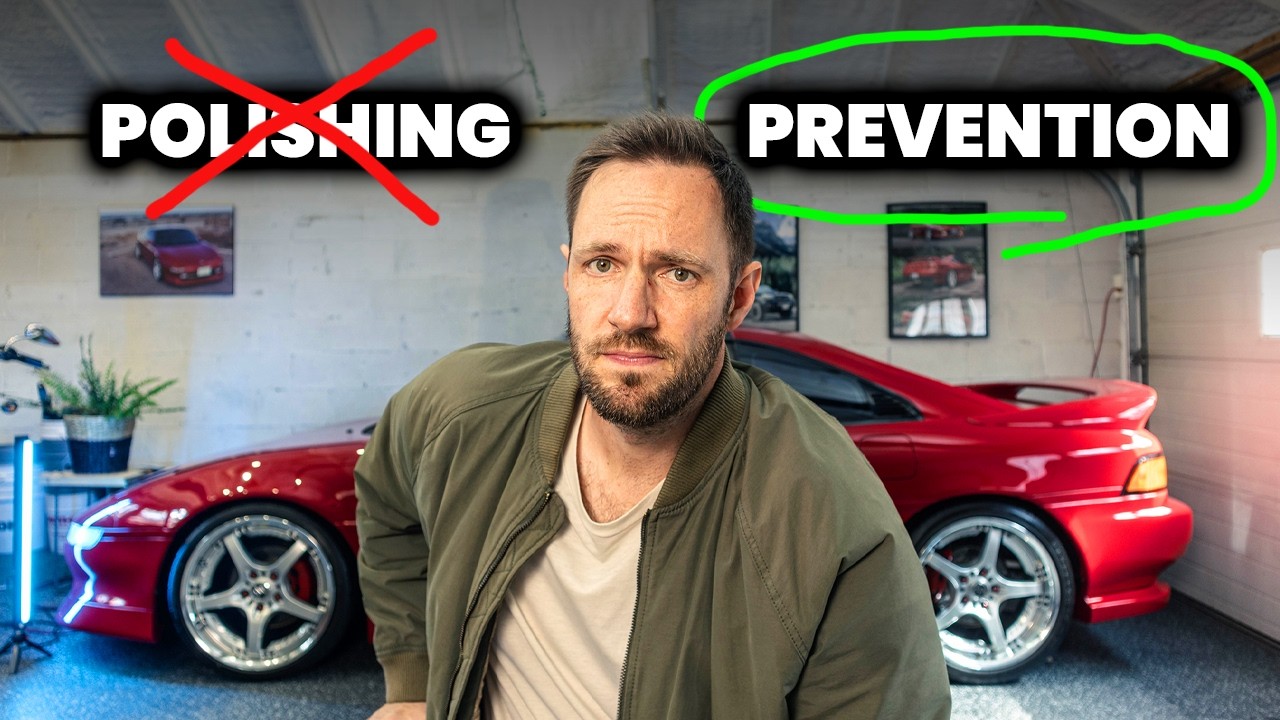
- Preventing damage is more effective than fixing it, as processes like scratch removal diminish the clear coat.
- Simple daily habits, like removing dirt from shoes before entering the car, prevent interior grime buildup.
- Understanding your tools and techniques builds confidence, reducing the risk of accidental damage when using equipment like polishers.
This chapter establishes a foundational principle: proactive care saves effort and preserves your vehicle's condition long-term, preventing costly repairs or extensive correction work.
Kicking loose dirt off shoes before getting into the car to avoid scratching interior surfaces or embedding dirt.
- The 'best' detailing products are often temporary trends driven by marketing, not necessarily superior quality.
- Detailing cannot fix all damage; some issues like deep chips or stress cracks require repair or replacement.
- Be wary of products that promise miracles, especially for components like headlights or faded trim, as they may not deliver lasting results.
This section helps learners avoid falling for marketing hype and understand the limitations of detailing, ensuring they invest time and money wisely and don't expect impossible outcomes.
Headlights that are faded and yellow may need replacement rather than just restoration products, as the underlying material may be too degraded.
- Clear coat failure is a serious issue that requires a long-term perspective on paint correction, thinking in terms of decades, not just weeks.
- Protecting plastic trim with appropriate products is crucial, as harsh methods like using heat guns can cause brittle failure.
- Ceramic coatings are not universally beneficial; their suitability depends on the vehicle's use and the owner's maintenance habits.
Focusing on the longevity of your vehicle's components, especially paint and trim, ensures that your detailing efforts contribute to lasting value and appearance, rather than short-lived fixes.
A truck's clear coat failing after 300,000 km due to lack of protection, necessitating repainting or experimental coatings.
- Break down large detailing tasks into smaller, manageable steps (e.g., 'first down method') to avoid feeling overwhelmed.
- You don't need a vast array of expensive products; a few versatile chemicals can suffice for most detailing needs.
- Proper lighting is more critical for paint correction than expensive tools, as it allows you to see imperfections accurately.
These strategies make detailing more accessible and less daunting, enabling consistent care even with limited time or budget, and ensuring that your efforts are effective.
Using a damp microfiber towel to test faded plastic trim's appearance before committing to a restoration product.
- A 'one-step' paint correction differs from an 'all-in-one' polish; the former combines compounding and polishing, while the latter includes polish and protection.
- Washing a car in direct sunlight is possible with the correct technique, despite product warnings.
- Leather conditioners may not penetrate coated automotive leather or vinyl, often just leaving a greasy residue.
Clarifying common terminology and processes prevents confusion and ensures that you apply the correct methods and products for the desired outcome.
The distinction between a 'one-step' paint correction (combining compounding and polishing) and an 'all-in-one' polish (combining polish and sealant).
- Chasing absolute perfection (100% flawless) is often unrealistic and can lead to compromising the vehicle's finish.
- Cycling the compound (a quick extra pass after the main cut) can help bridge the gap between compounding and polishing, improving results.
- Professional-grade, long-lasting ceramic coatings may be overkill, as average cars will develop swirls before the coating fails, necessitating re-polishing.
Understanding these nuances helps refine your detailing skills, avoid common mistakes, and achieve better, more durable results without unnecessary effort or expense.
Performing a quick, extra pass with a compound-laden pad after the main cutting step to 'cycle' the product and refine the finish.
- Most automotive leather is coated or vinyl, meaning traditional conditioners may not penetrate the actual hide.
- Heat guns can temporarily restore plastic trim but ultimately dry it out, making it brittle.
- Shiny interior surfaces often indicate dirt and body oils, not a factory-fresh matte finish.
Knowing the true nature of automotive materials helps you choose the right products and techniques, preventing damage and ensuring effective, long-lasting care.
Testing interior trim with a damp cloth to see if it darkens, indicating that a coating product might be effective.
Key takeaways
- Prioritize prevention over correction to preserve your vehicle's clear coat and overall condition.
- Manage your expectations; detailing has limitations and cannot fix all types of damage.
- Technique and understanding are more important than expensive products for achieving great detailing results.
- A long-term perspective is crucial for paint care, considering the lifespan of clear coats and protective layers.
- Break down large detailing tasks into smaller, manageable steps to maintain consistency and avoid burnout.
- Be critical of product hype; focus on versatile chemicals and proven methods rather than trendy items.
- Proper lighting is essential for accurate paint correction, allowing you to see and address imperfections effectively.
Key terms
Clear CoatPaint CorrectionCompoundingPolishingCeramic CoatingRinseless WashAll-in-One PolishOne-Step CorrectionTrim RestorationUV Coating
Test your understanding
- Why is prevention considered more valuable than correction in car detailing?
- How can understanding the limitations of detailing help a car owner?
- What is the difference between a 'one-step' paint correction and an 'all-in-one' polish?
- How does proper lighting impact the effectiveness of paint correction?
- Why should one be cautious about using heat guns on plastic trim?