7:18
JULY 31 | UP NEWS PODCAST | LEAD IAS JUNIOR
LEAD IAS JUNIOR NEWS PODCAST
Overview
This video discusses the PM CARES Fund, established in India during the COVID-19 pandemic for disaster relief. It highlights concerns raised by transparency activists regarding the lack of public access to the fund's audited financial statements for the fiscal year 2022-2023. The discussion emphasizes the importance of transparency and accountability in public funds, drawing parallels to classroom examples and explaining the Right to Information (RTI) Act as a mechanism for citizens to access such information. The core message revolves around good governance, where public trust is built through open financial reporting.
How was this?
Save this permanently with flashcards, quizzes, and AI chat
Chapters
- The PM CARES Fund was created in March 2020 to address health emergencies like the COVID-19 pandemic and future disasters.
- It allows voluntary donations from individuals, companies, and organizations.
- The fund is intended for emergency relief during natural calamities such as floods, earthquakes, or pandemics.
- The Prime Minister of India chairs the fund, with the Ministers of Defence, Home Affairs, and Finance as other key officers.
Understanding the origin and purpose of the PM CARES Fund is crucial to grasp the context of the subsequent discussion on its transparency and accountability.
During the COVID-19 pandemic, the government established the PM CARES Fund to collect donations for emergency relief and future disaster preparedness.
- Recent news highlights that audited financial statements for the PM CARES Fund from 2022-2023 have not been made publicly available.
- Transparency activists argue that as a public fund, its financial details (receipts, expenditures, balances) should be regularly published.
- An audit is a process where professional auditors verify financial records to ensure money has been handled properly.
- An audited financial statement acts like a report card, showing how money was received and spent.
This chapter explains why the lack of access to financial statements is a concern, defining key terms like 'audit' and 'audited financial statement' to clarify the issue.
Just as students would ask their school for a breakdown of collected funds for a trip (how much collected, how much spent, how much remains), transparency activists are asking for similar details about the PM CARES Fund.
- Transparency means being open and honest by sharing important information.
- It builds trust between the public and the governing body, reducing misunderstandings.
- Transparency encourages the responsible use of funds.
- Accountability ensures that someone is responsible for ensuring that processes are transparent.
This section explains the broader principles of good governance, highlighting how transparency and accountability foster public trust and responsible financial management.
If a teacher openly shares how money collected for a school trip was spent (e.g., bus costs, entry fees), students and parents will trust that the funds were used appropriately.
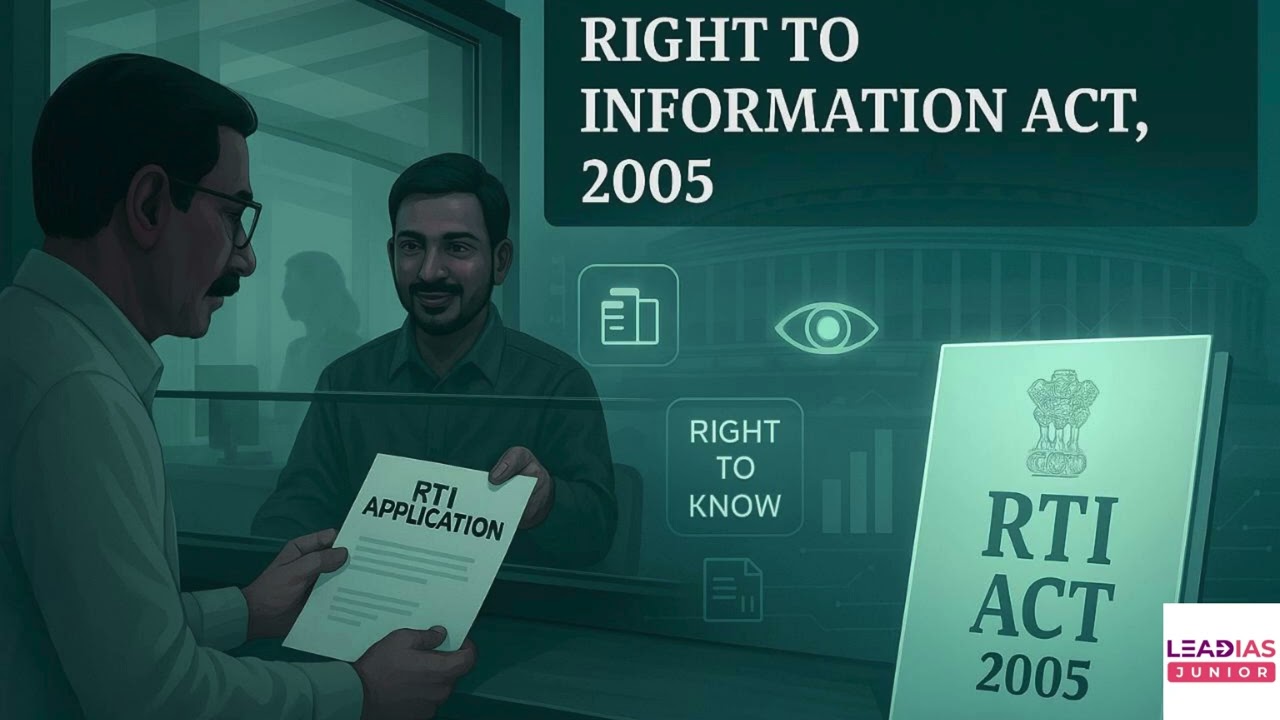
- The RTI Act 2005 empowers citizens to ask questions and seek information from public authorities.
- Citizens can inquire about government decisions, spending, official records, and project status.
- While the PM CARES Fund might not be explicitly defined as a 'public authority' under all interpretations of the RTI Act, activists argue that information about its spending should still be accessible due to its public relief nature.
- The RTI Act is fundamental to how democracy functions, ensuring people are informed.
This chapter introduces the legal framework that supports citizens' right to access information, explaining how it applies to government funds and projects.
Under the RTI Act, a citizen can ask a government department for details on how public money was spent on a specific infrastructure project, including its current status and success.
- The discussion is about good governance, which includes transparency, accountability, and public confidence.
- When funds are managed transparently, people are assured that their money is used properly and without corruption.
- There is a call for the PM CARES Fund's financial statements for 2022-2023 to be made public.
This concluding section reiterates the central theme: transparent financial management is essential for building and maintaining public trust in governance.
Key takeaways
- Public funds, especially those collected for disaster relief, require a high degree of transparency and accountability.
- Audited financial statements are crucial tools for verifying how public money is received and spent.
- Transparency in governance builds public trust and encourages responsible use of resources.
- The Right to Information Act empowers citizens to hold public authorities accountable for their actions and financial dealings.
- Good governance is characterized by openness, honesty, and a commitment to serving the public interest.
- The accessibility of financial information for funds like PM CARES is vital for democratic oversight.
Key terms
PM CARES FundTransparencyAccountabilityAuditAudited Financial StatementRight to Information Act (RTI) ActPublic AuthorityGood GovernanceFiscal Year
Test your understanding
- Why is transparency particularly important for funds like the PM CARES Fund?
- What is the role of an audit in ensuring accountability for public money?
- How does the Right to Information Act empower citizens regarding government spending?
- What are the key components of good governance as discussed in the video?
- What specific information is activists seeking regarding the PM CARES Fund?