1:19:06
The Collapse of the Veganism Movement
Rich Roll
Overview
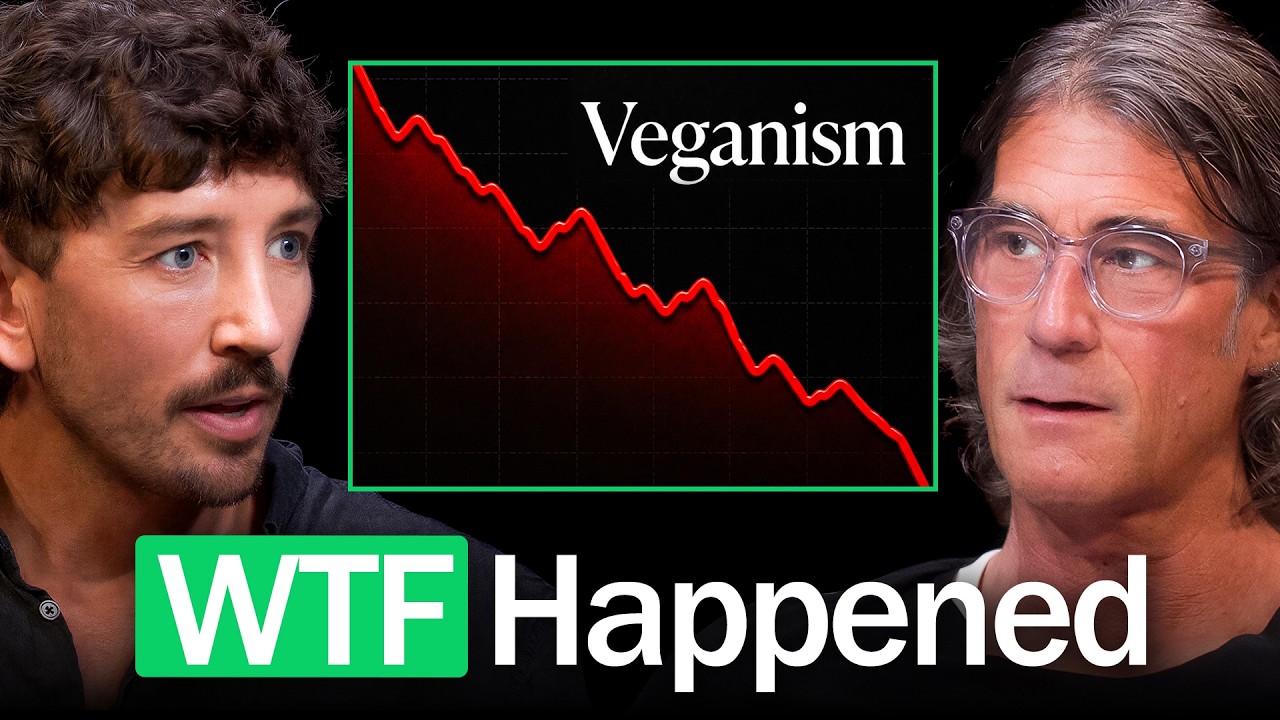
This video explores the decline of the veganism movement, which peaked in popularity around 2020. The discussion delves into the reasons behind this collapse, including the over-promising and under-delivery of plant-based meat alternatives, the impact of cultural and political shifts, and the communication strategies within the movement itself. It highlights how a lack of transparency, the association of veganism with certain political ideologies, and the misrepresentation of processed plant-based foods as inherently healthy contributed to a loss of public trust and a faltering of the movement's momentum.
How was this?
Save this permanently with flashcards, quizzes, and AI chat
Chapters
- The plant-based movement experienced a surge in popularity, driven by elite athletes and a perception of being 'cool'.
- Companies like Beyond Meat saw massive initial success, signaling strong market demand.
- However, enthusiasm waned, and the movement subsequently 'collapsed' with significant stock price drops for associated companies.
- This decline is linked to plant-based meat alternatives failing to meet expectations on taste and price, especially during inflationary periods.
Understanding the initial hype and subsequent decline of plant-based alternatives provides context for the movement's current challenges and the importance of realistic product development and marketing.
Beyond Meat's stock plummeting over 99% after its initial IPO success.
- The science supporting plant-based diets hasn't changed, but cultural perceptions have shifted significantly.
- Plant-based meat alternatives have not achieved parity with traditional meat in terms of taste or price, making them less appealing, especially to budget-conscious consumers.
- The narrative around ultra-processed foods has cast doubt on the health benefits of many plant-based convenience products.
- The movement's decline is attributed to a combination of cultural/political shifts, internal communication issues, and a lack of honesty about health implications.
Identifying the multifaceted reasons for the movement's faltering is crucial for recalibrating strategies and rebuilding trust with the public.
Plant-based meat alternatives being two to three times more expensive per pound than chicken.
- Influential figures in the movement sometimes presented highly processed plant-based foods as health foods, leading to a breach of trust.
- Consumers felt 'gaslit' when the promised health benefits of these processed alternatives didn't materialize as expected.
- Transition foods, intended to ease people into plant-based eating, were often marketed as healthy when they were comparable to fast food.
- The strongest arguments for plant-based diets are ethical and environmental, as definitive proof of superior health benefits over other balanced diets is lacking.
Maintaining public trust requires transparent and honest communication about the health implications of dietary choices, especially regarding processed foods.
Marketing plant-based burgers and chicken nuggets as healthy alternatives, when they are highly processed.
- Oversimplifying messages about nutrition, such as dismissing concerns about protein or B12, can be irresponsible and erode trust.
- The science of nutrition is complex, and presenting definitive, absolute claims can be misleading; scientists often emphasize nuance and context.
- The 'attention economy' incentivizes bold, absolute claims over nuanced scientific explanations, appealing to a desire for simplicity.
- A more empathetic approach, meeting people where they are and encouraging gradual increases in plant intake, is more sustainable and effective than demanding immediate, absolute change.
Effective communication in health and nutrition requires balancing scientific accuracy with accessibility, fostering trust through honesty and acknowledging complexity.
Dismissing concerns about protein intake by stating 'it will all be fine' without considering individual needs or dietary context.
- Cultural and political shifts post-2020 have seen veganism associated with 'wokeness,' leading to a backlash.
- The term 'soy boy' emerged as a slur, linking veganism with a perceived lack of masculinity.
- This narrative suggests that eating meat is essential for masculinity, a construct rooted in outdated ideas of hunting and providing.
- True masculinity is better represented by emotional capacity, empathy, and integrity, rather than dietary choices or external signals like meat consumption.
Challenging the conflation of diet with identity, particularly masculinity, is essential for fostering a more inclusive and less judgmental approach to plant-based eating.
The political use of terms like 'vegan' or 'soy boy' as slurs against individuals perceived as weak or not traditionally masculine.
- Advocacy should focus on attraction rather than promotion, modeling a lifestyle as aspirational rather than through judgment or moral superiority.
- Individuals within the movement should avoid 'vegan on vegan' crime and internal criticism, which alienates potential allies.
- A 'big tent' approach, welcoming people at various stages of their dietary journey, is more effective than rigid purity tests.
- Focusing on achievable goals, like 'Meatless Mondays,' can yield greater population-level impact than striving for a small percentage of 100% vegans.
Building a strong, sustainable movement requires fostering community, practicing empathy, and employing communication strategies that attract and retain individuals, rather than alienate them.
Modeling a plant-based lifestyle through positive example and offering support to those interested, rather than lecturing or shaming.
Key takeaways
- The decline of the plant-based movement was not due to a lack of scientific evidence but rather a failure in communication, marketing, and product delivery.
- Overstating health benefits and promoting highly processed plant-based foods as universally healthy eroded public trust.
- Cultural and political polarization has led to dietary choices becoming entangled with identity politics, particularly concerning masculinity.
- Effective advocacy relies on empathy, transparency, and modeling aspirational behavior, rather than judgment or absolute claims.
- Internal conflict and rigid purity standards within the vegan community can hinder broader adoption and alienate potential supporters.
- The strongest drivers for adopting plant-based diets remain ethical and environmental concerns, as definitive health superiority over other balanced diets is not conclusively proven.
- Authenticity, emotional intelligence, and integrity are more indicative of positive traits like masculinity than dietary choices.
Key terms
Plant-based movementBeyond MeatUltra-processed foodsTransition foodsAttention economyNuanceSoy boyMasculinityFood sovereigntyIntegrity
Test your understanding
- What were the primary reasons cited for the decline in popularity of the plant-based movement after its peak in 2020?
- How did the marketing and communication strategies around plant-based meat alternatives contribute to a loss of public trust?
- Explain the connection made between the 'soy boy' stigma and perceptions of masculinity in the context of dietary choices.
- What communication strategies are suggested for more effective advocacy within the plant-based movement?
- Why is it important to differentiate between whole, minimally processed plant foods and ultra-processed plant-based alternatives when discussing health benefits?