8:57
Ekstrakurikuler Pramuka
Direktorat Sekolah Dasar
Overview
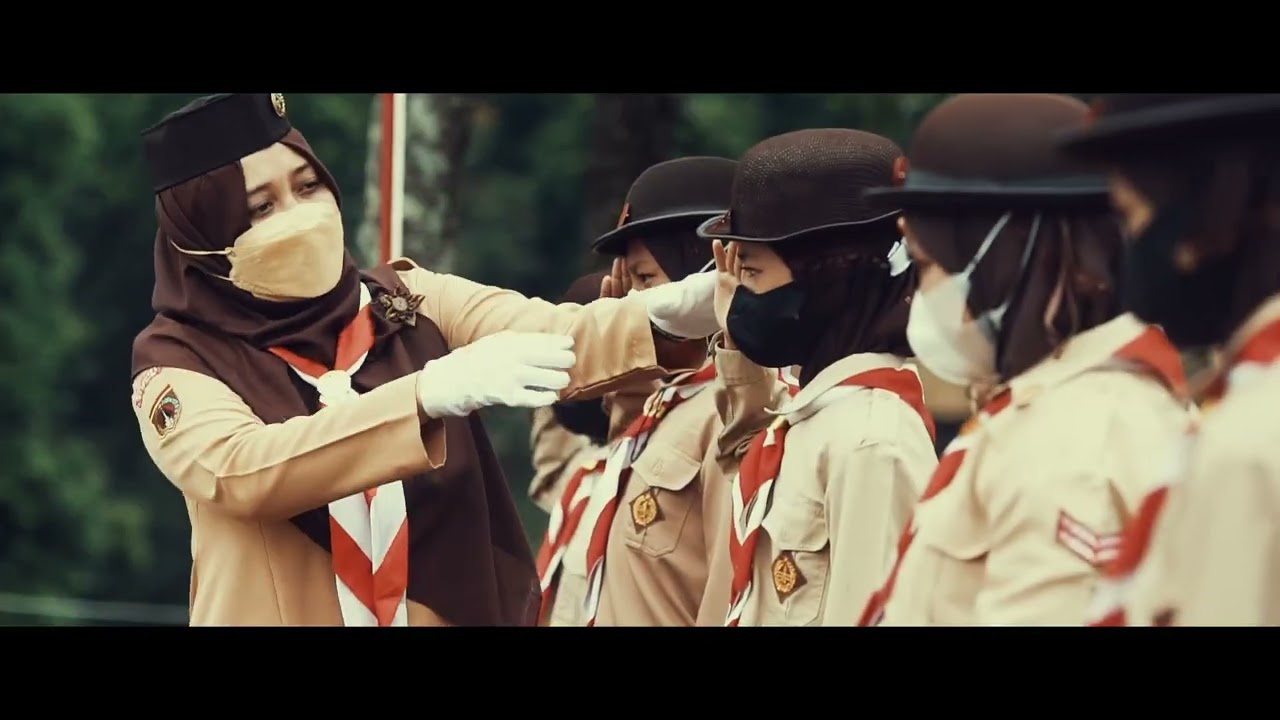
This video explains the role of Pramuka (Scouting) in Indonesia as a key extracurricular activity for developing the 'Profil Pelajar Pancasila' (Pancasila Student Profile). It highlights how Pramuka, aligned with global scouting principles, fosters independence, responsibility, and character development through engaging, outdoor activities. The summary details the symbolism of the Tunas Kelapa (coconut sprout) emblem, the educational significance of different upacara (ceremony) formations for various age groups, and the core methods and techniques used in Pramuka to build essential life skills and patriotism.
How was this?
Save this permanently with flashcards, quizzes, and AI chat
Chapters
- The Pancasila Student Profile aims to develop lifelong learners with global competence and adherence to Pancasila values.
- A key element of this profile is 'Mandiri' (independence), which involves self-awareness, situational awareness, and self-regulation.
- Pramuka is presented as a vital extracurricular activity to help achieve the Pancasila Student Profile.
Understanding how Pramuka contributes to the Pancasila Student Profile helps learners see the direct link between this activity and their personal development goals.
The video mentions that Pramuka helps students become 'Mandiri' (independent) by taking responsibility for their learning and actions.
- Pramuka in Indonesia is part of the global scouting movement, adhering to principles set by Lord Baden Powell.
- Scouting is described not as a rigid academic subject, but as a fun, open-air game fostering health, happiness, skills, and helpfulness.
- The Gerakan Pramuka Indonesia was officially established in 1961 by presidential decree.
This chapter clarifies that Pramuka is a holistic, experiential learning approach, not just a set of rules, emphasizing its playful and developmental nature.
Pramuka is characterized as a 'fun game in the open air' where adults and children go on adventures together, like siblings.
- The Pramuka emblem is the Tunas Kelapa (coconut sprout), symbolizing growth and resilience.
- The emblem serves as an educational tool to instill the values represented by the coconut sprout in members.
- Ceremonies (upacara) are a key educational tool within Pramuka.
Understanding the symbolism, like the Tunas Kelapa, provides deeper meaning to the Pramuka identity and its educational purpose.
The Tunas Kelapa emblem was created by Sunarjo Atmodipuro, an employee of the Department of Agriculture, and its meaning is tied to growth and development.
- Ceremony formations differ by age group: Siaga (Cubs) use a circle, symbolizing focus on parents/leaders.
- Penggalang (Scouts) use a U-shape or anchor, signifying their developing critical thinking and openness.
- The goals of Pramuka ceremonies include fostering love for country, responsibility, discipline, cooperation, leadership, and spiritual growth.
The specific formations and objectives of ceremonies highlight how Pramuka adapts its methods to the developmental stages of its participants.
The circular formation for Siaga symbolizes their developmental stage where their world revolves around their parents or leaders.
- Pramuka skills are developed through practice, reinforcing attitudes and abilities.
- Key methods include learning by doing, group work, engaging/challenging activities, and outdoor experiences.
- Adult guidance, rewards (skill badges), and separate groups for boys and girls are integral parts of the method.
This chapter outlines the practical 'how-to' of Pramuka, showing the diverse range of activities and pedagogical approaches used.
Pramuka techniques include practical exercises, discussions, songs, nature study (widya wisata), simulations, pioneering, camping, and exploration.
- Pramuka is inseparable from Indonesian education and character building.
- The methods and techniques are designed to achieve the final goal of education.
- The ultimate aim is to develop participants with strong character, life skills, and love for their nation.
This section reinforces the overarching purpose of Pramuka, connecting all activities back to the development of well-rounded, patriotic citizens.
The application of Pramuka methods ultimately aims to create participants who are well-characterized, possess life skills, and are patriotic.
Key takeaways
- Pramuka is a core Indonesian extracurricular activity designed to cultivate the Pancasila Student Profile, emphasizing independence and responsibility.
- The movement draws from global scouting principles, focusing on experiential learning through fun, outdoor activities rather than rote memorization.
- The Tunas Kelapa emblem symbolizes growth and serves as a constant reminder of the values Pramuka aims to instill.
- Ceremony formations are intentionally designed to match the psychological development of different age groups within Pramuka.
- Pramuka utilizes a 'learning by doing' approach, incorporating teamwork, challenges, and nature to build practical skills and character.
- The ultimate objective of Pramuka is to develop resilient, skilled, and patriotic individuals with strong moral character.
Key terms
PramukaProfil Pelajar PancasilaMandiriGerakan PramukaLord Baden PowellTunas KelapaUpacaraSiagaPenggalangMetode Kepramukaan
Test your understanding
- How does Pramuka contribute to the development of the 'Mandiri' aspect of the Pancasila Student Profile?
- What is the core philosophy behind Pramuka's methods, distinguishing it from traditional academic learning?
- Explain the symbolic meaning of the Tunas Kelapa emblem in Pramuka.
- Why do Pramuka ceremonies use different formations for Siaga and Penggalang age groups?
- Describe at least three key methods or techniques used in Pramuka and explain their educational purpose.