13:50
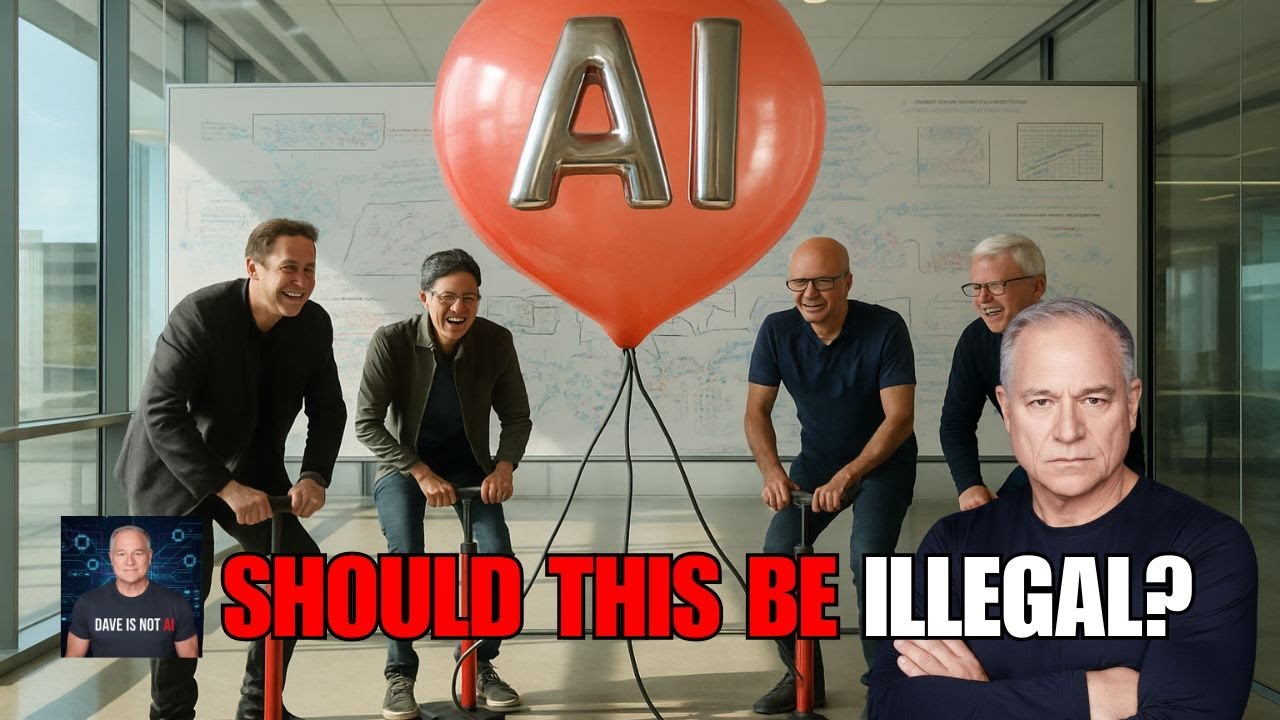
Is the AI Bubble Being Created by a Tech-to-Tech Ponzi Scheme?
Dave Linthicum Is Not AI
Overview
This video explores the concern that the current boom in AI valuations might be driven by a "tech-to-tech Ponzi scheme." The speaker argues that instead of selling AI solutions to real-world businesses, major tech companies are engaging in circular deals where they buy from and sell to each other. This practice inflates revenue and valuations without creating genuine market value or benefiting end-users. The speaker, drawing on personal experience as a former CTO/CEO, believes this strategy is unsustainable and risks a market correction that could harm average investors.
How was this?
Save this permanently with flashcards, quizzes, and AI chat
Chapters
- The AI sector is experiencing rapid growth, but this may be fueled by companies buying from and selling to each other, rather than genuine customer sales.
- These 'tech-to-tech' deals, like Nvidia selling chips to OpenAI and then buying cloud services back, create the appearance of high revenue and value.
- This practice is described as a 'legalized Ponzi scheme' because it artificially inflates valuations by shifting resources among tech companies without generating true market value.
- The focus is on inter-company transactions, not on selling AI solutions to end-users like car manufacturers or healthcare systems.
Understanding these circular deals is crucial because they can mask a lack of real market demand and lead to an unsustainable AI bubble.
OpenAI buying cloud services from Oracle, while Oracle might be a customer of other AI-related services, exemplifies these circular financial arrangements.
- Financial reports can be misleading due to these circular deals, which inflate revenue figures.
- A significant majority of companies (95%) investing in AI are not seeing a return on their investment, indicating a disconnect between spending and value.
- Major tech companies are reporting projected losses (e.g., OpenAI's $8.5 billion projection) despite massive spending and these inter-company deals.
- The focus should be on sales to 'Global 2000' companies and other end-users who would use AI as a business multiplier, not just other tech firms.
This highlights a critical gap between the perceived success of AI companies and the actual value being delivered to the broader economy.
Surveys indicating that 95% of companies investing in AI are not realizing returns, despite tech companies booming from inter-company sales.
- Prioritizing inter-company transactions over sales to real-world businesses undermines market development and long-term success.
- This shortsighted focus on inflated valuations can lead to a market correction or 'bubble burst' with devastating effects.
- The speaker, drawing on experience as a former CTO, avoided similar circular deals because they didn't build true company value.
- A market correction in the AI sector could negatively impact broader stock markets, affecting average investors' 401(k)s and savings.
The current practices risk not only the AI sector's stability but also the financial well-being of individuals through broader market impacts.
The speaker's past experience as a CTO where they refused similar circular 'partner deals' because they didn't represent genuine business value.
- Sustainable growth in AI requires focusing on creating meaningful solutions for end-users, not just tech-to-tech transfers.
- True value creation comes from addressing real-world challenges and aligning with the needs of established enterprises.
- A shift towards customer-centric strategies is imperative for the long-term health and credibility of the AI sector.
- Genuine customer engagements are essential to drive adoption and build trust in AI technology, benefiting all players, including startups.
Shifting focus to end-user needs is essential for the AI sector to achieve genuine innovation, build trust, and ensure long-term stability.
AI companies should be selling to millions of businesses that build cars or operate banks, rather than solely to other tech firms like Oracle or Nvidia.
Key takeaways
- The AI boom may be artificially inflated by tech companies selling to each other, rather than to end-users, creating a 'tech-to-tech Ponzi scheme' dynamic.
- Circular financial arrangements in the tech industry can create misleading revenue figures and inflated valuations without genuine market value.
- A vast majority of companies investing in AI are not seeing a return, suggesting a disconnect between AI spending and practical business benefits.
- Focusing on inter-company deals is shortsighted and risks a market correction that could harm individual investors through broader economic impacts.
- Long-term success and sustainability in AI require a shift towards developing and selling solutions that address the real needs of end-user businesses.
- Building trust and genuine adoption in AI hinges on customer-centric strategies and demonstrating tangible value to diverse industries.
- The current practices of tech-to-tech deals can negatively impact the perception and growth of the entire AI sector, including smaller, innovative startups.
Key terms
AI BubbleTech-to-Tech Ponzi SchemeCircular Investment DealsCircular Financial ArrangementsInter-company TransactionsEnd-User SalesMarket ValuationRevenue InflationMarket CorrectionCustomer-Centric Strategies
Test your understanding
- What is the primary concern raised about the current AI market valuations?
- How do 'tech-to-tech' deals contribute to the potential AI bubble?
- Why are companies engaging in circular financial arrangements considered problematic for genuine market value?
- What evidence suggests that AI investments are not yielding returns for many companies?
- What is the speaker's proposed solution for achieving sustainable growth in the AI sector?